
Delivery Dilemmas: Employees vs. Third-Party Services — What Every Pizzeria Owner Needs to Know
Penny Hendrie
Running a New York pizzeria is all about speed — hot ovens, fast service, and customers who want their slice yesterday. Delivery is a big part of that equation. But when it comes to how you deliver, the choice between using your own employees or a third-party service can have some big insurance consequences.
I’ve seen too many shop owners assume they’re safe, only to find out later they were still liable for something they thought wasn’t their problem. Let’s break it down.
I’ve seen too many shop owners assume they’re safe, only to find out later they were still liable for something they thought wasn’t their problem. Let’s break it down.
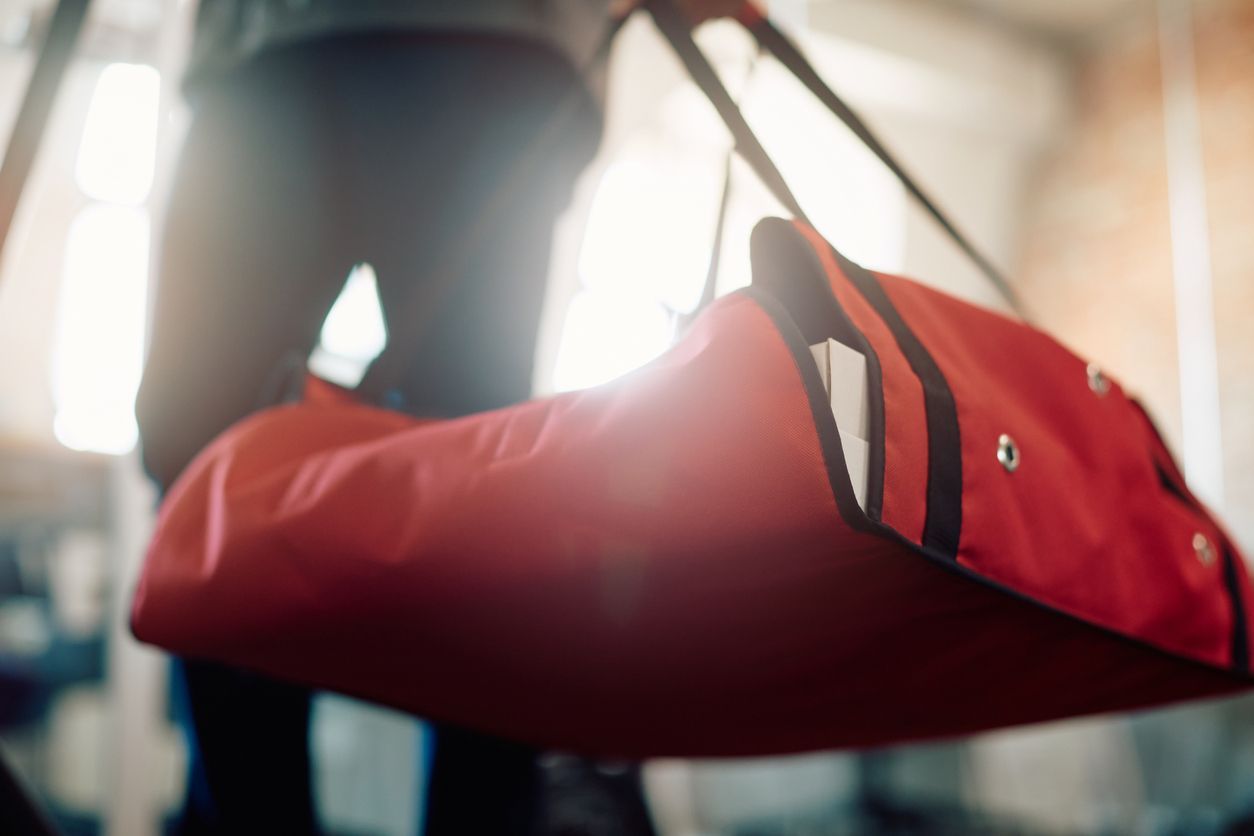
Option 1: Using Your Own Employees & Cars
Many pizzerias rely on their staff to hop in their own cars for deliveries. It’s quick, easy, and saves you from buying a company vehicle. But here’s the risk:
- Employee’s insurance may not cover them.
Most personal auto policies exclude business use.
- Accidents still fall on you. Attorneys love to sue the business, not just the driver.
- High-risk drivers.
Young part-time workers (the backbone of most delivery crews) are statistically the most accident-prone.
👉 Without Hired & Non-Owned Auto Liability (HNOA), one fender bender can turn into a six-figure lawsuit against your shop.
Option 2: Third-Party Delivery Apps (UberEats, Grubhub, DoorDash)
This option is growing fast — but don’t assume outsourcing delivery outsources your liability.
- The illusion of safety.
Apps carry some coverage, but it’s often limited or secondary — designed to protect them, not you.
- Contracts matter.
Many agreements include indemnification clauses, which means if something goes wrong, they can try to shift liability back onto you.
- Your name, your problem.
If the pizza box has your logo, a customer or attorney may still drag you into the lawsuit.
👉 Even with third-party delivery, HNOA can still protect you if your shop is named in a claim.
Real-World Example
A Queens pizzeria relied on a delivery app, assuming the app’s insurance would protect them. After a driver caused a serious accident, the injured party’s attorney sued both the driver and the shop. The app’s coverage only applied in limited circumstances, and the shop was left with over $200,000 in legal fees and settlements.
The owner told me afterward: “If I’d known, I would’ve added that coverage yesterday.”
Quick Comparison: Delivery Liability at a Glance
DELIVERY SETUP MAIN EXPOSURE COVERAGE NEEDED
Employees Using their own Car; Their insurance excludes business use; HNOA
Third-party app (UberEATS, etc.); Contracts & lawsuits can still pull you in; HNOA + contract review
Company-owned vehicles; Full liability on your business; Commercial Auto + HNOA backup
What Does HNOA Cost?
Here’s the good news: most pizzerias can add HNOA coverage for just a few hundred dollars a year — often less than the cost of a catering order or a weekend’s worth of mozzarella.
When you compare that to a six-figure accident claim, it’s the cheapest slice of protection you’ll ever buy.
Penny’s Pizzeria Insurance Pro Tip
Even if you don’t “officially” offer delivery, think about the occasional times it happens. Did a manager send an employee home with pizzas for a catering order? That’s still liability exposure. Don’t assume rare means safe.
Frequently Asked Questions
Do I need this if I only deliver a few nights a week?
Yes — one accident is all it takes. Liability isn’t about frequency, it’s about exposure.
What if drivers sign waivers making them responsible?
Waivers won’t protect you in court. Attorneys will still sue the business.
Does General Liability cover delivery accidents?
No. GL covers injuries in your shop, not on the road. HNOA fills that gap.
Final Slice
Whether it’s Joey in his Civic or an Uber driver in a Prius, if your pizza is on the move, so is your liability. Make sure you’re protected before an accident delivers a lawsuit to your door.
Hired & Non-Owned Auto Liability is one of the simplest, most affordable ways to keep your business safe.
Schedule a pizza insurance review with me today. I’ll help you pick the right delivery strategy — and I promise, no anchovy policies allowed.
Recent posts
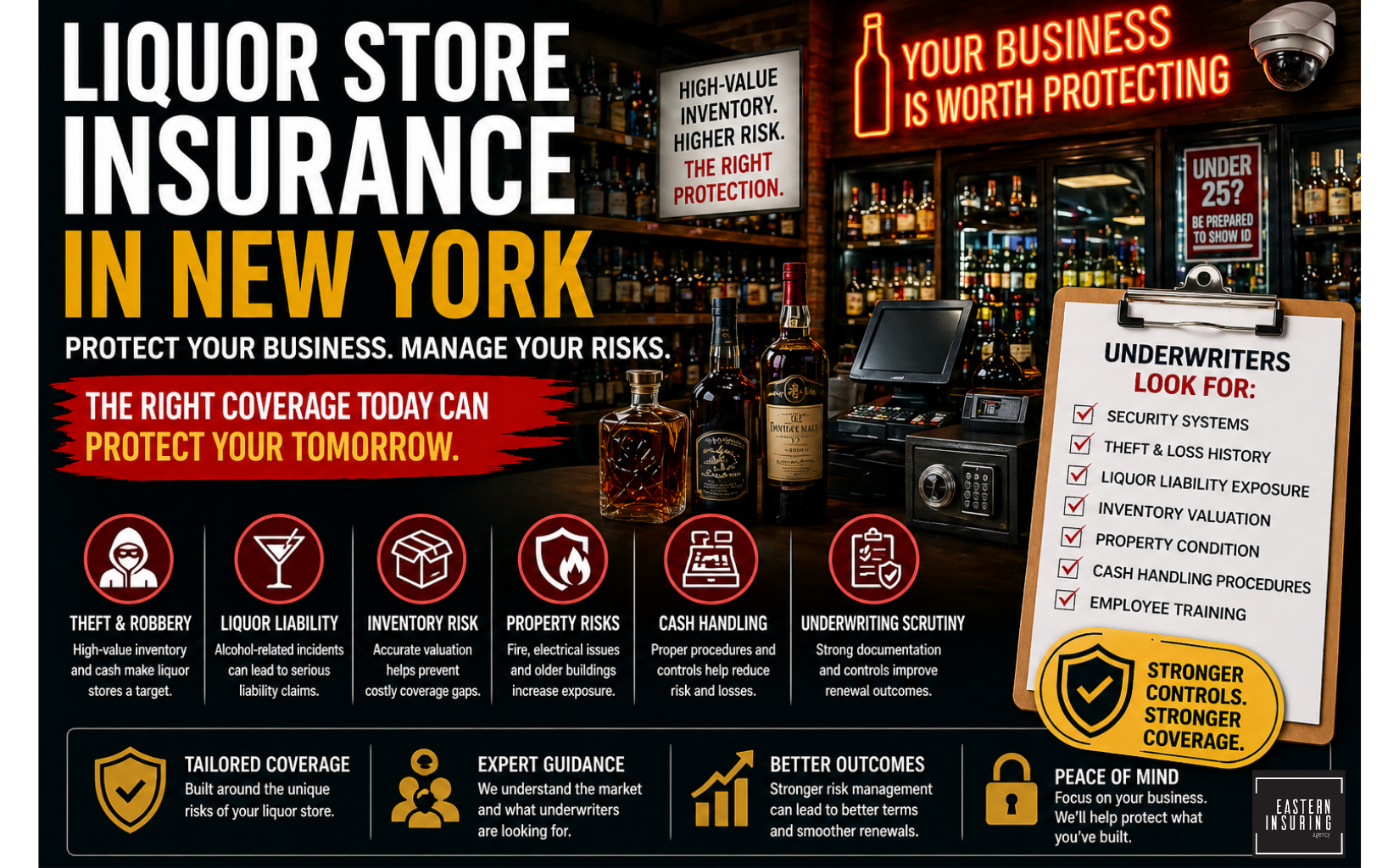
Liquor store insurance in New York explained. Learn about theft, liability, and inventory risks—and how to better protect your business.

Opening your pool in New York? Learn how insurance applies to pools, liability risks, safety requirements, and what to review before the season starts.
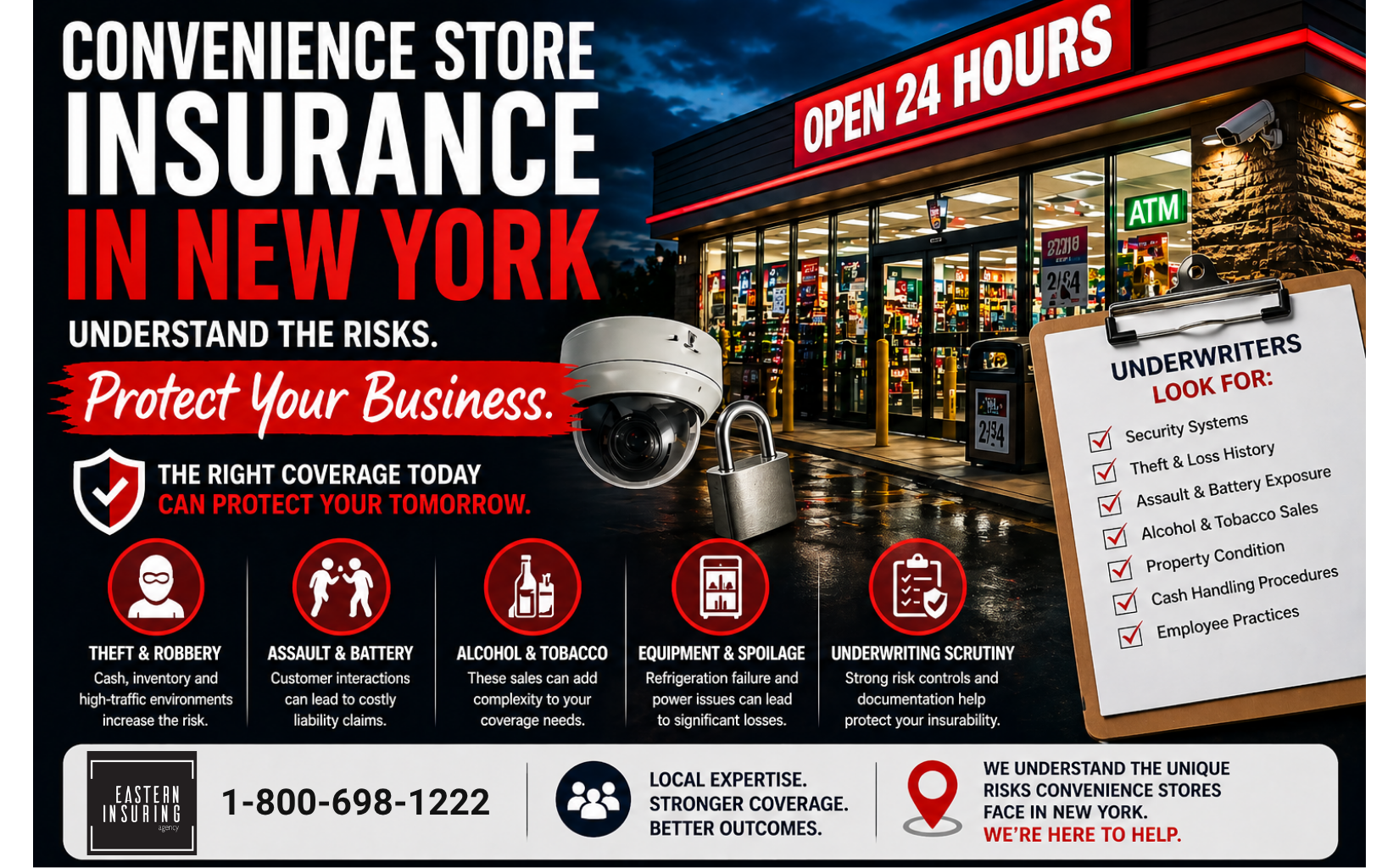
Convenience store insurance in New York explained. Learn about theft, liability, and underwriting risks—and how to better protect your business.

New York storm season is here. Learn what homeowners insurance may not cover—flood, sewer backup, and wind damage—and why a review matters.

Own a boat, motorcycle, or ATV in New York? Learn how insurance coverage works, where gaps may exist, and why a policy review matters.
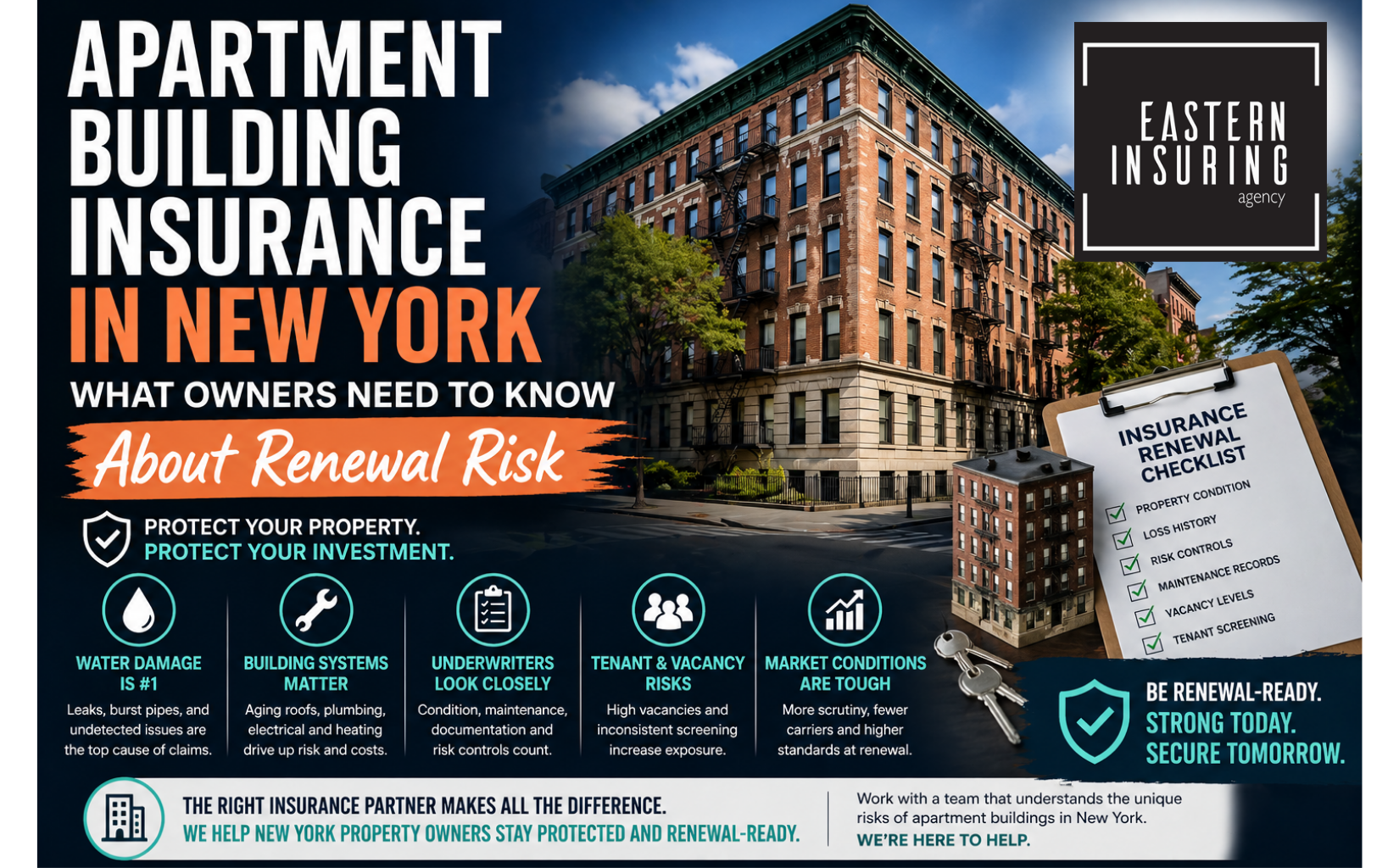
Apartment building insurance in New York explained. Learn what impacts renewals, from water damage to maintenance—and how to better position your property.
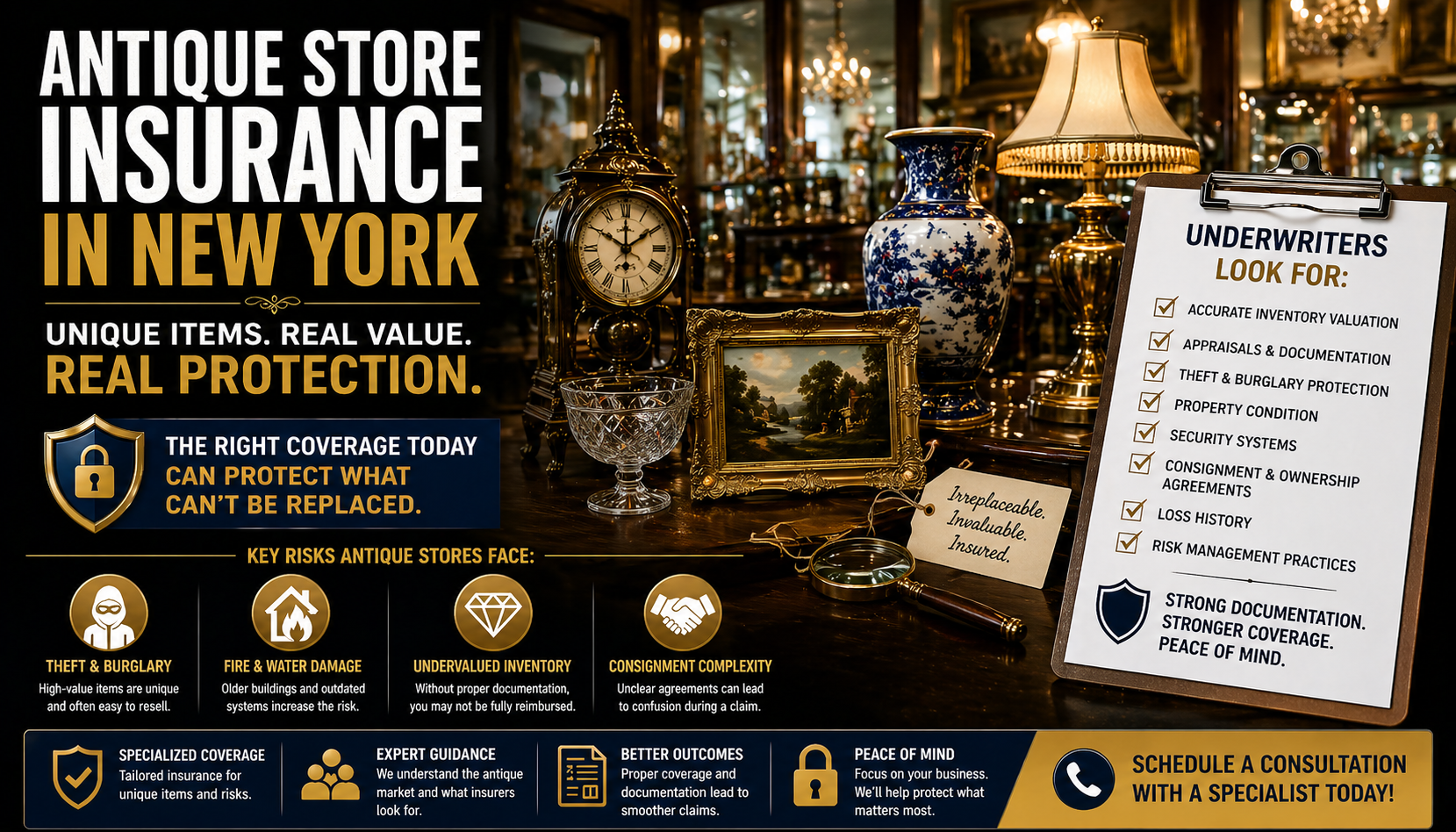
Antique store insurance in New York explained. Learn about valuation, theft risks, and coverage considerations for high-value inventory.

Florist insurance in New York explained. Learn key risks like spoilage, delivery liability, and event exposure—and how to better protect your business.

Planning a home project in New York? Learn how homeowners insurance applies to renovations, liability, and materials—and where gaps may exist.
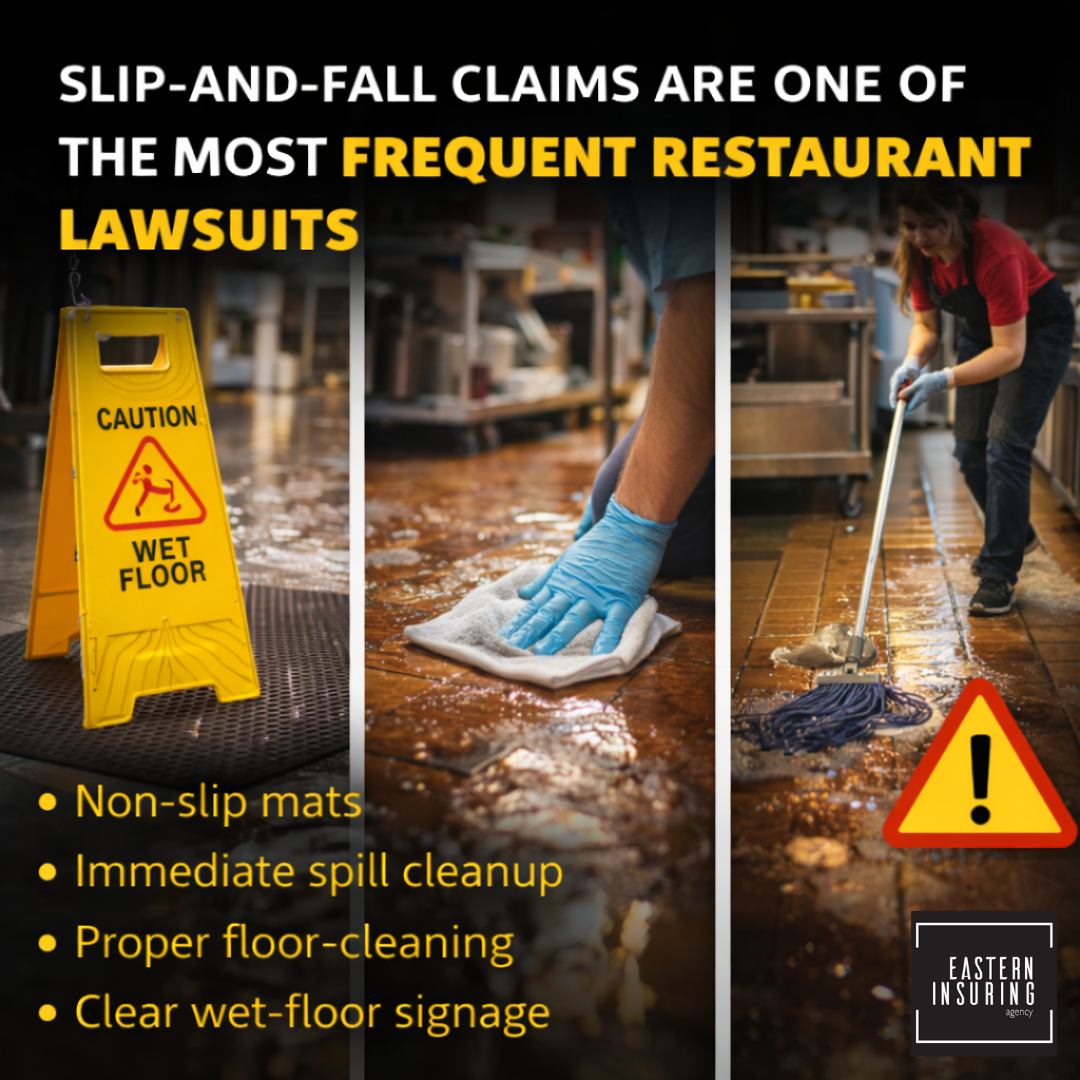
Strong safety programs help restaurants reduce injuries, prevent claims, and lower insurance costs—protecting staff, customers, and profits.