Risk Management Tips That Can Lower Liquor Store Insurance Costs in New York
Penny Hendrie
Liquor stores in New York operate in one of the most scrutinized retail categories from an insurance perspective.
High-value inventory, alcohol-related liability exposure, and elevated theft risk mean insurance carriers carefully evaluate how each store manages risk.is is a subtitle for your new post.
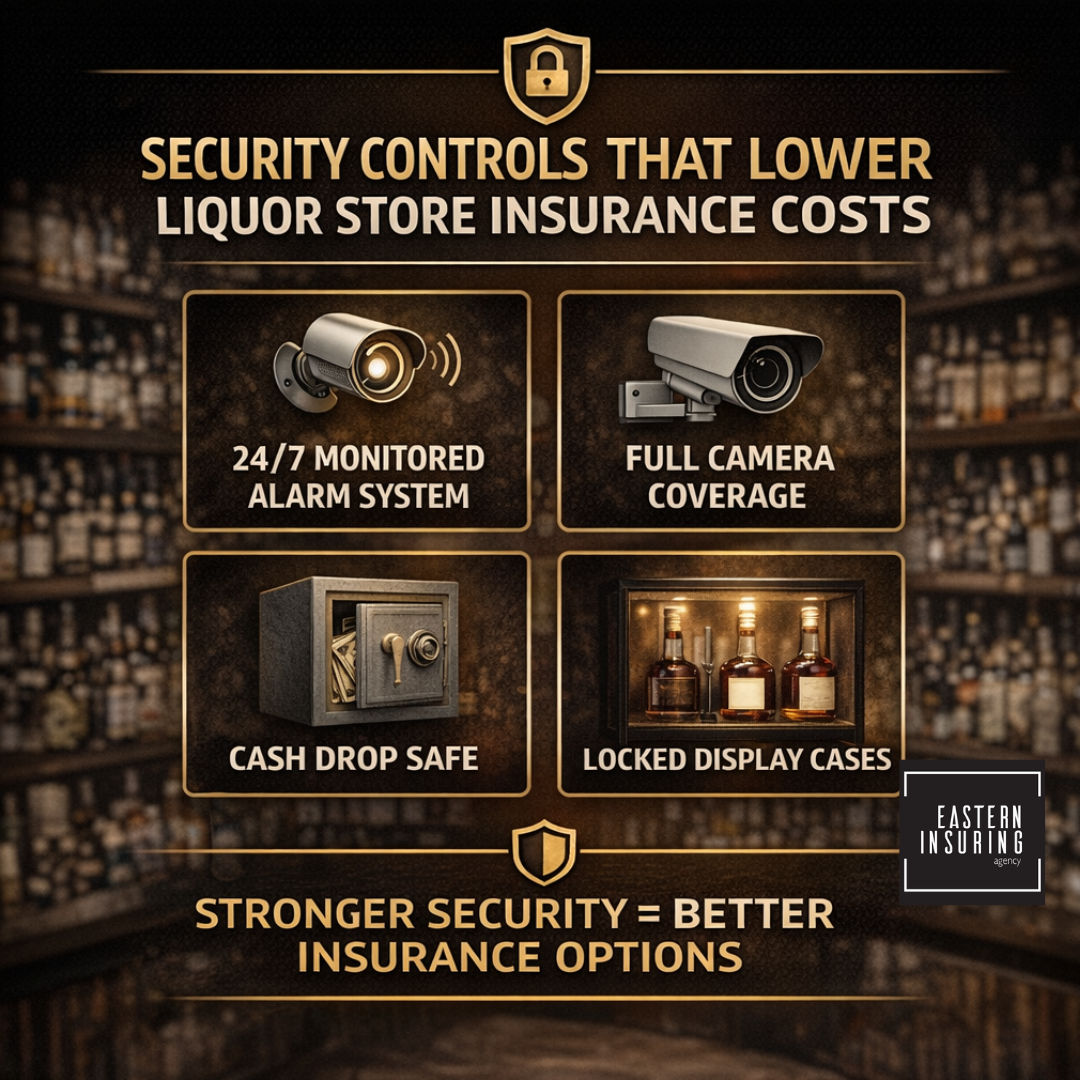
The good news is that insurance pricing and carrier availability are strongly influenced by risk management practices.
Liquor store owners who implement strong controls and demonstrate proactive risk management often qualify for:
• More insurance carrier options
• Lower premiums
• Higher theft coverage limits
• More stable long-term insurance relationships
Below are some of the most effective risk management strategies that can improve insurability and reduce insurance costs for liquor stores in New York State.
Install a Monitored Alarm System
One of the first things insurance underwriters look for when evaluating a liquor store is whether the business has a professionally monitored alarm system.
Liquor stores without monitored alarms are often considered high theft risks, especially in areas with elevated crime scores.
A monitored alarm system should include:
• Door and window sensors
• Motion detectors inside the store
• Immediate monitoring by a central station
• Police notification capability
• Battery backup in case of power loss
Alarm systems act as both a deterrent and a rapid response mechanism, helping prevent burglaries and minimizing losses.
Stores without monitored alarms often face:
• Higher insurance premiums
• Reduced theft coverage
• Fewer carrier options
Use High-Quality Surveillance Camera Systems
Surveillance cameras are another critical security control for liquor stores.
Modern camera systems help in two important ways:
1.They deter theft and robbery
2.They provide documentation in the event of a claim
Underwriters typically prefer systems that include:
• Coverage of entrances and exits
• Clear footage of the sales counter and registers
• Interior camera coverage of aisles and high-value displays
• Exterior cameras covering parking areas and delivery entrances
• Secure video storage or cloud backup
Camera footage can be extremely valuable when investigating:
• Theft incidents
• slip and fall claims
• robbery events
• fraudulent liability claims
Stores with strong camera systems often receive more favorable underwriting consideration.
Protect High-End Inventory
Premium spirits and collectible wines represent some of the highest theft targets in retail.
Allocated bourbons, rare scotch, and vintage wines can be worth hundreds or even thousands of dollars per bottle.
Insurance carriers prefer that high-value inventory be protected through:
• Locked glass display cabinets
• Controlled access areas
• Separate storage during non-business hours
• Inventory tracking systems
In some cases, extremely valuable bottles may need to be scheduled separately on the insurance policy.
Proper protection of premium inventory demonstrates strong risk management and reduces theft exposure.
Implement Strong Cash Handling Procedures
Liquor stores often process significant cash transactions, which increases robbery exposure.
Insurance carriers prefer businesses that implement clear cash handling controls.
Recommended procedures include:
• Using cash drop safes
• Limiting the amount of cash kept in registers
• Performing regular bank deposits
• Restricting employee access to cash storage
• Using dual-control procedures when counting cash
These measures help reduce robbery incentives and minimize internal theft exposure.
Train Employees on Alcohol Sales Compliance
Employee training is a critical part of risk management for liquor stores.
Staff should be trained on procedures such as:
• Verifying identification for alcohol purchases
• Recognizing signs of intoxication
• Refusing service when necessary
• Handling customer disputes appropriately
• Following store security procedures
Insurance carriers view stores with documented employee training programs
as lower liability risks.
Training can help reduce claims related to:
• Alcohol service disputes
• liquor liability allegations
• customer altercations
Documented procedures also strengthen the store’s position if a claim occurs.
Establish Safe Alcohol Tasting Procedures
Wine and spirits tastings are popular promotional tools for liquor stores, but they also introduce additional liability exposure.
To reduce risk, stores should implement clear procedures for tastings, including:
• Verifying identification before serving alcohol
• Limiting the amount of alcohol served
• Ensuring trained staff supervise events
• Refusing service to visibly intoxicated individuals
Insurance carriers often ask detailed questions about tasting events, and some policies require that these events be disclosed.
Clear procedures help reduce liability exposure and demonstrate responsible alcohol service practices.
Maintain Accurate Inventory Records
One of the most common insurance issues liquor stores face is underreporting inventory values.
Many store owners insure inventory based on wholesale purchase cost,
but insurance policies often require coverage closer to replacement or retail value.
Accurate inventory records help ensure:
• Adequate property coverage
• Proper claim payments after a loss
• Avoidance of coinsurance penalties
Carriers prefer stores that maintain:
• Digital inventory tracking systems
• Regular inventory audits
• Accurate documentation of high-value bottles
Accurate inventory reporting improves both risk management and insurance protection.
Maintain the Building and Property
Liquor stores located in older buildings can face additional underwriting scrutiny.
Insurance carriers often review building features such as:
• Electrical system updates
• Roof condition and maintenance history
• Plumbing systems
• Fire protection systems
Issues such as knob-and-tube wiring or roofs with repeated leaks
can make insurance coverage more difficult to obtain.
Regular building maintenance helps reduce property losses and improves insurability.
Avoid Frequent Small Claims
Frequent small claims can negatively impact a liquor store’s insurance profile.
Examples include:
• Broken windows
• Minor water damage
• Small theft incidents
• Minor property damage
Even though these claims may seem minor individually, repeated claims can signal poor risk management to insurance carriers.
Many businesses choose to absorb smaller losses internally rather than filing multiple claims.
Reducing claim frequency helps maintain a strong loss history, which can improve insurance pricing and carrier availability.
Work With an Insurance Advisor Who Understands Liquor Store Risks
Liquor stores operate in a specialized retail category that requires expert insurance guidance.
An experienced commercial insurance advisor can help:
• Structure appropriate property and liability coverage
• Evaluate inventory values and risk exposure
• Identify security improvements that may reduce insurance costs
• Present the business effectively to insurance carriers
Because underwriting requirements can vary significantly among carriers, working with an advisor familiar with New York liquor retail insurance markets
can make a substantial difference.
Final Thoughts
Insurance companies evaluate liquor stores carefully because of the combination of theft exposure, alcohol-related liability, and high-value inventory.
Liquor store owners who implement strong risk management practices often benefit from:
• Lower insurance premiums
• More stable coverage
• Greater carrier choice
• Improved long-term insurability
By investing in security, operational procedures, and accurate reporting, liquor stores can strengthen their risk profile and better protect their business.
The body content of your post goes here. To edit this text, click on it and delete this default text and start typing your own or paste your own from a different source.
Recent posts
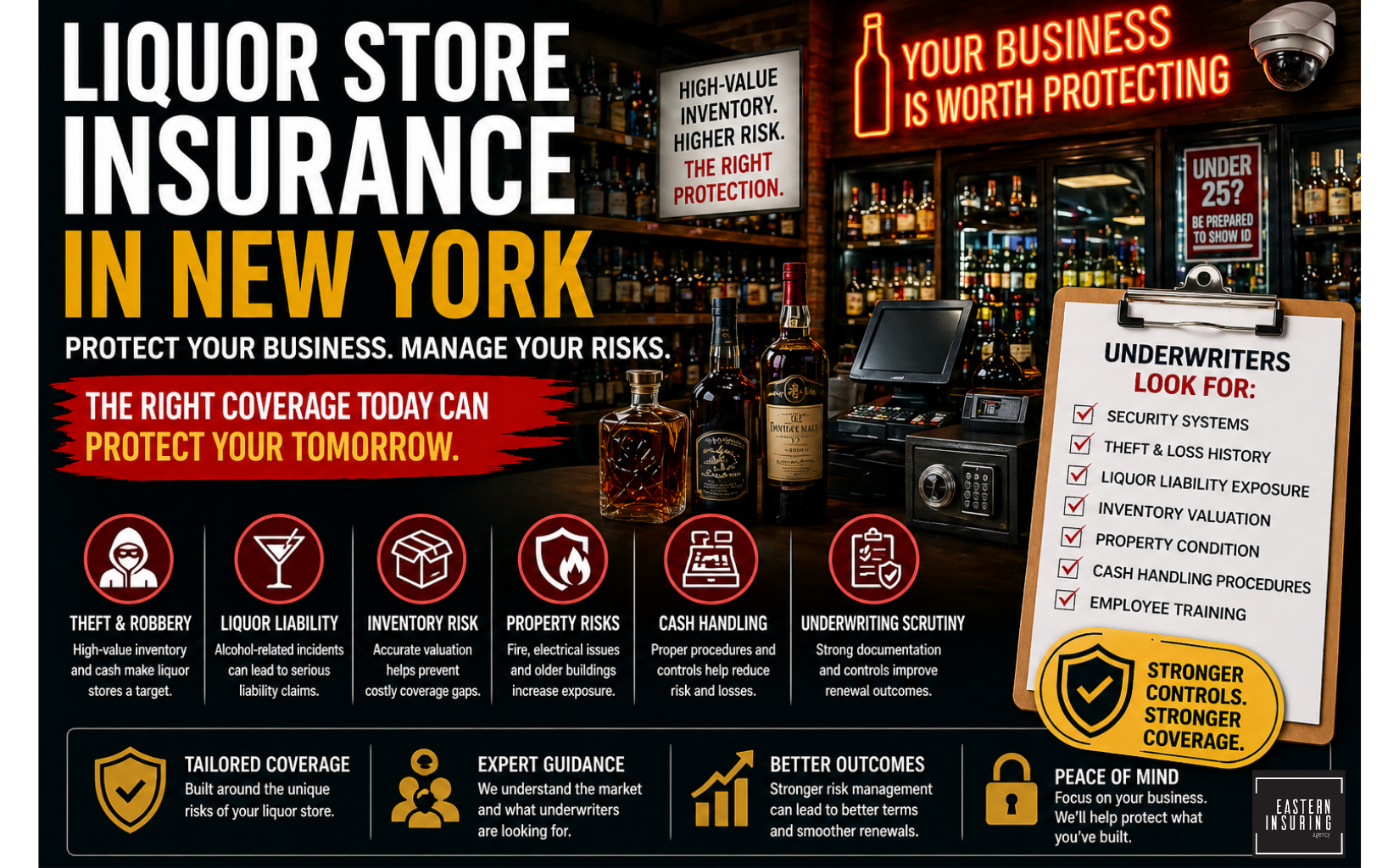
Liquor store insurance in New York explained. Learn about theft, liability, and inventory risks—and how to better protect your business.

Opening your pool in New York? Learn how insurance applies to pools, liability risks, safety requirements, and what to review before the season starts.
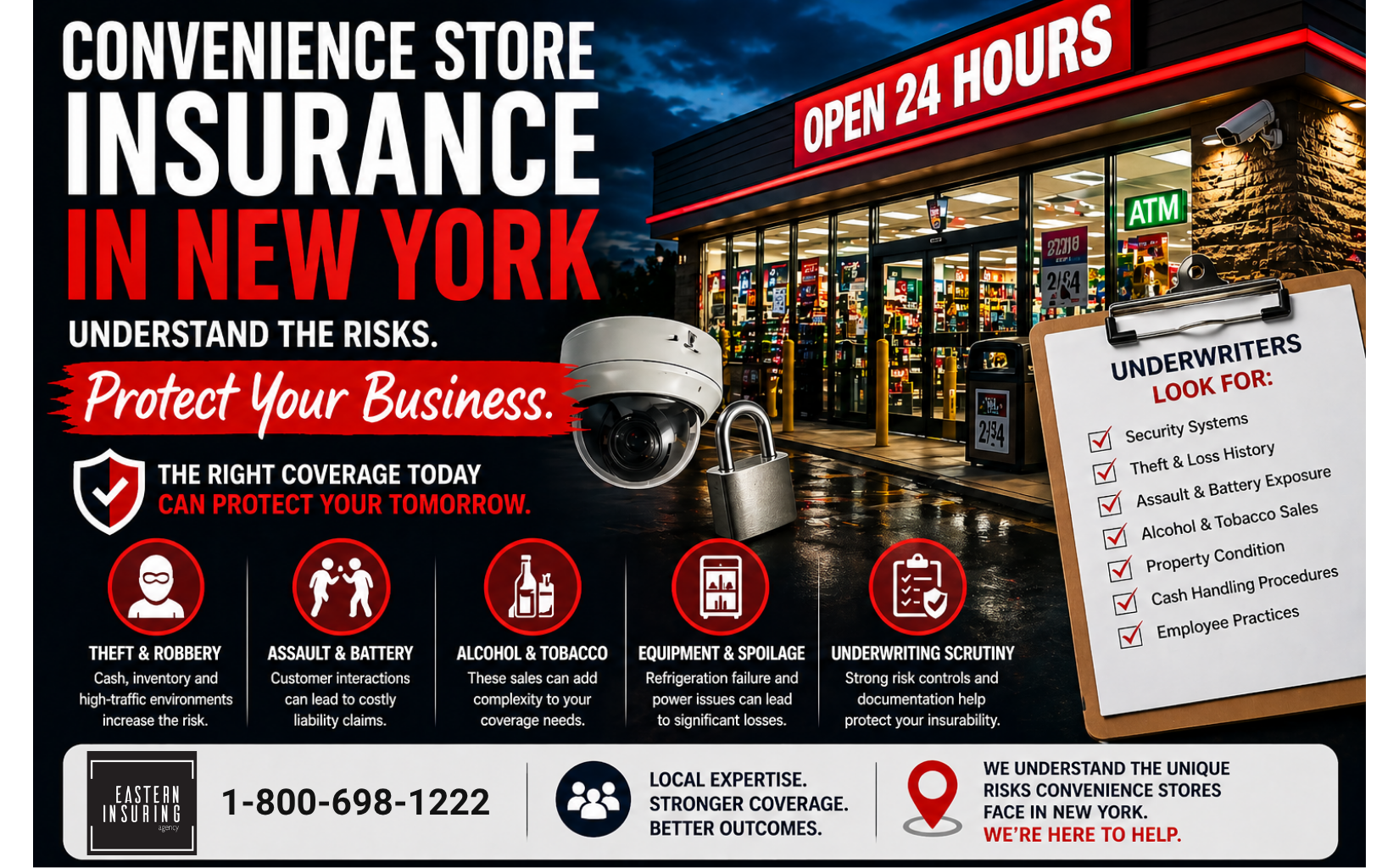
Convenience store insurance in New York explained. Learn about theft, liability, and underwriting risks—and how to better protect your business.

New York storm season is here. Learn what homeowners insurance may not cover—flood, sewer backup, and wind damage—and why a review matters.

Own a boat, motorcycle, or ATV in New York? Learn how insurance coverage works, where gaps may exist, and why a policy review matters.
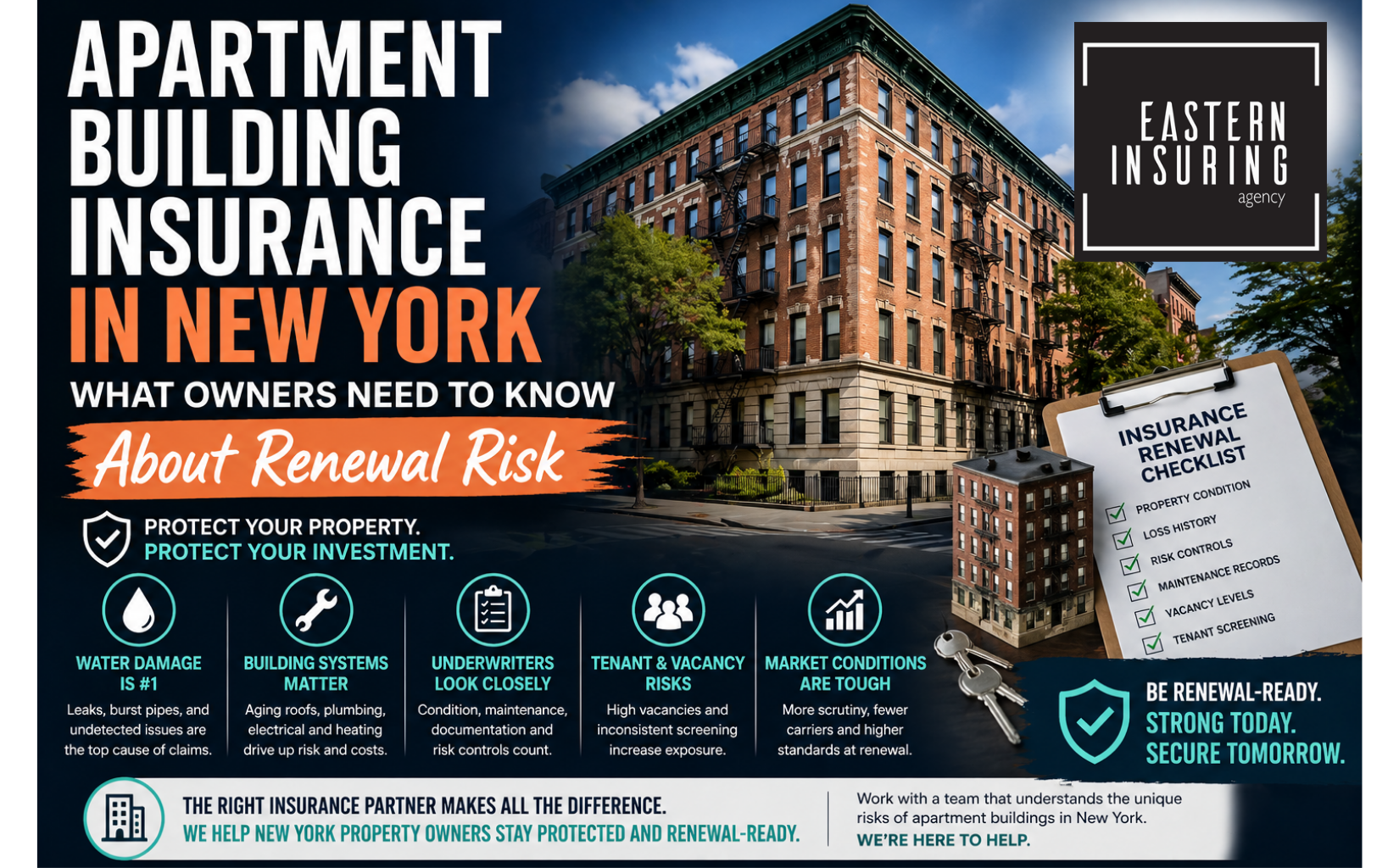
Apartment building insurance in New York explained. Learn what impacts renewals, from water damage to maintenance—and how to better position your property.
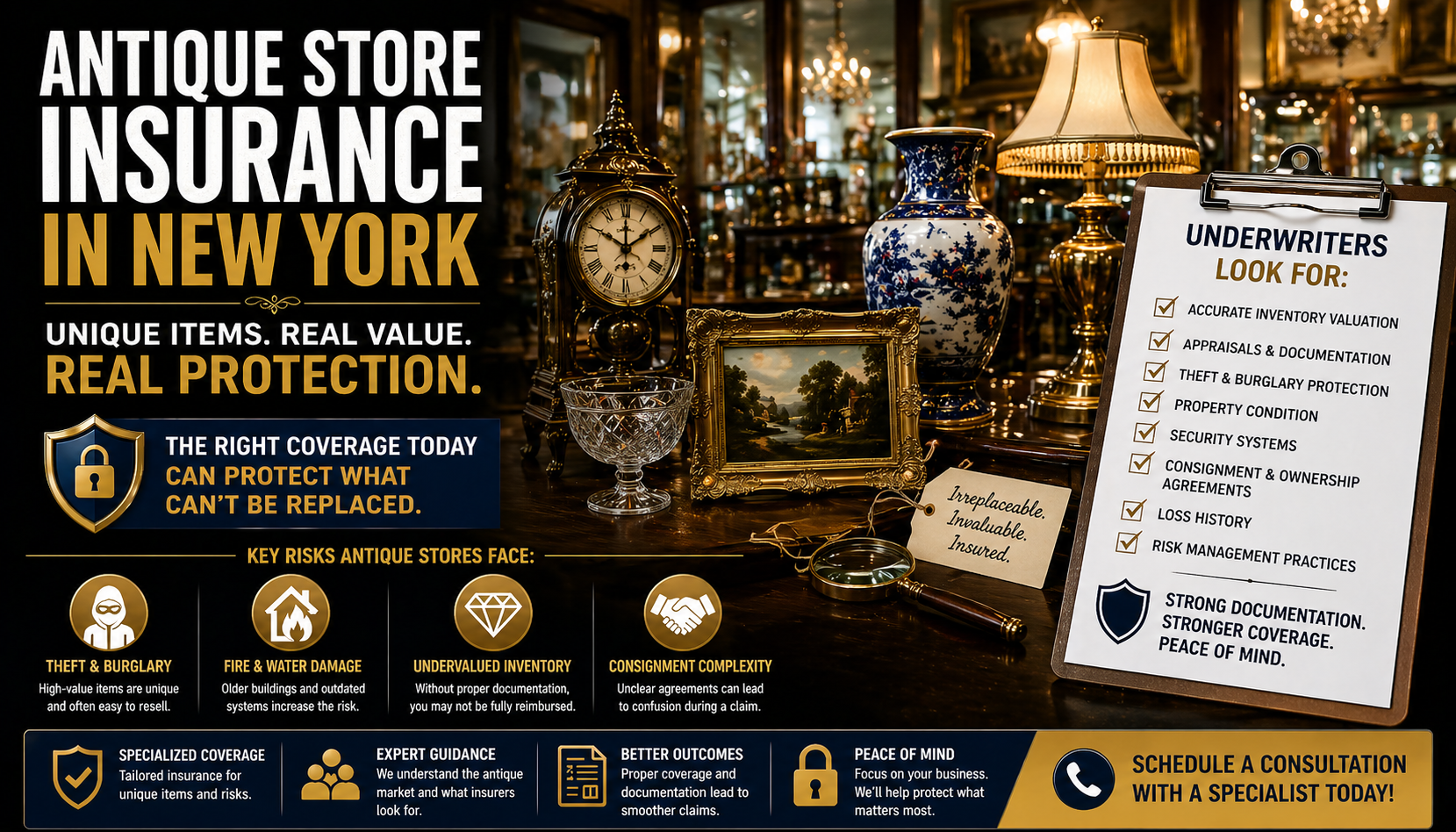
Antique store insurance in New York explained. Learn about valuation, theft risks, and coverage considerations for high-value inventory.

Florist insurance in New York explained. Learn key risks like spoilage, delivery liability, and event exposure—and how to better protect your business.
Planning a home project in New York? Learn how homeowners insurance applies to renovations, liability, and materials—and where gaps may exist.
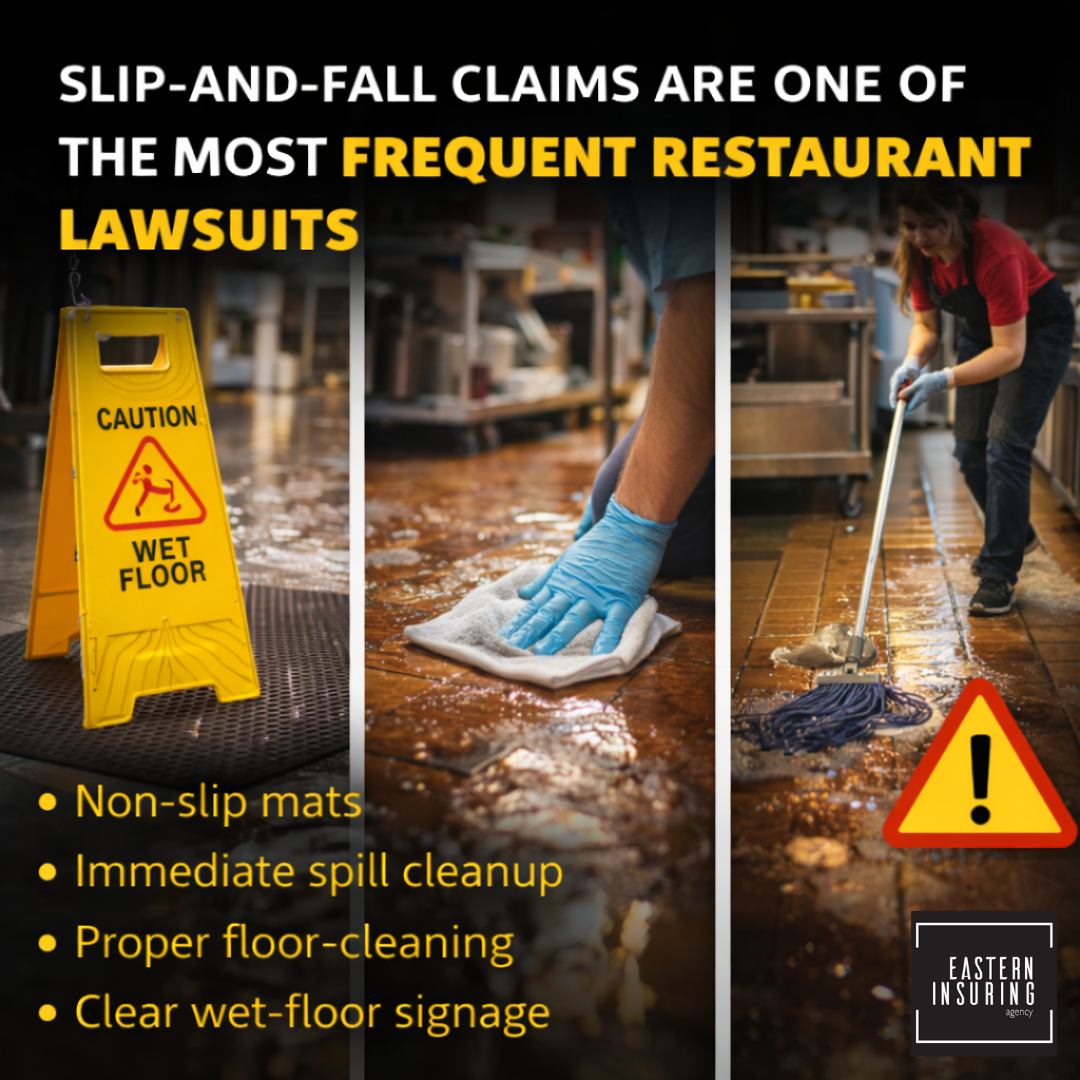
Strong safety programs help restaurants reduce injuries, prevent claims, and lower insurance costs—protecting staff, customers, and profits.