Convenience Store Insurance NY | Key Risks & Coverage Insights
Penny Hendrie
Convenience store insurance in New York explained. Learn about theft, liability, and underwriting risks—and how to better protect your business.

Convenience stores in New York operate in a fast-paced, high-frequency environment.
From daily cash transactions to extended hours and product mix exposures, these businesses face a unique combination of risks that insurance carriers evaluate closely.
At Eastern Insuring Agency, we work with convenience store owners across New York and often see a common theme:
Many policies look adequate on the surface—but may not fully align with how the business actually operates.
This article outlines key exposures and underwriting considerations that convenience store owners should be aware of.
1. Assault & Battery Exposure
Convenience stores can face increased liability exposure due to:
- Customer interactions
- Late-night operations
- High foot traffic environments
Incidents involving altercations or injuries may lead to significant claims.
In some cases:
- Coverage may be limited
- Sub-limits or exclusions may apply
- Additional endorsements may be required
Assault & battery claims are commonly identified as a key loss driver in this segment
2. Theft, Robbery & Crime Risk
Cash handling and accessible inventory can make convenience stores a target for theft.
Carriers often evaluate:
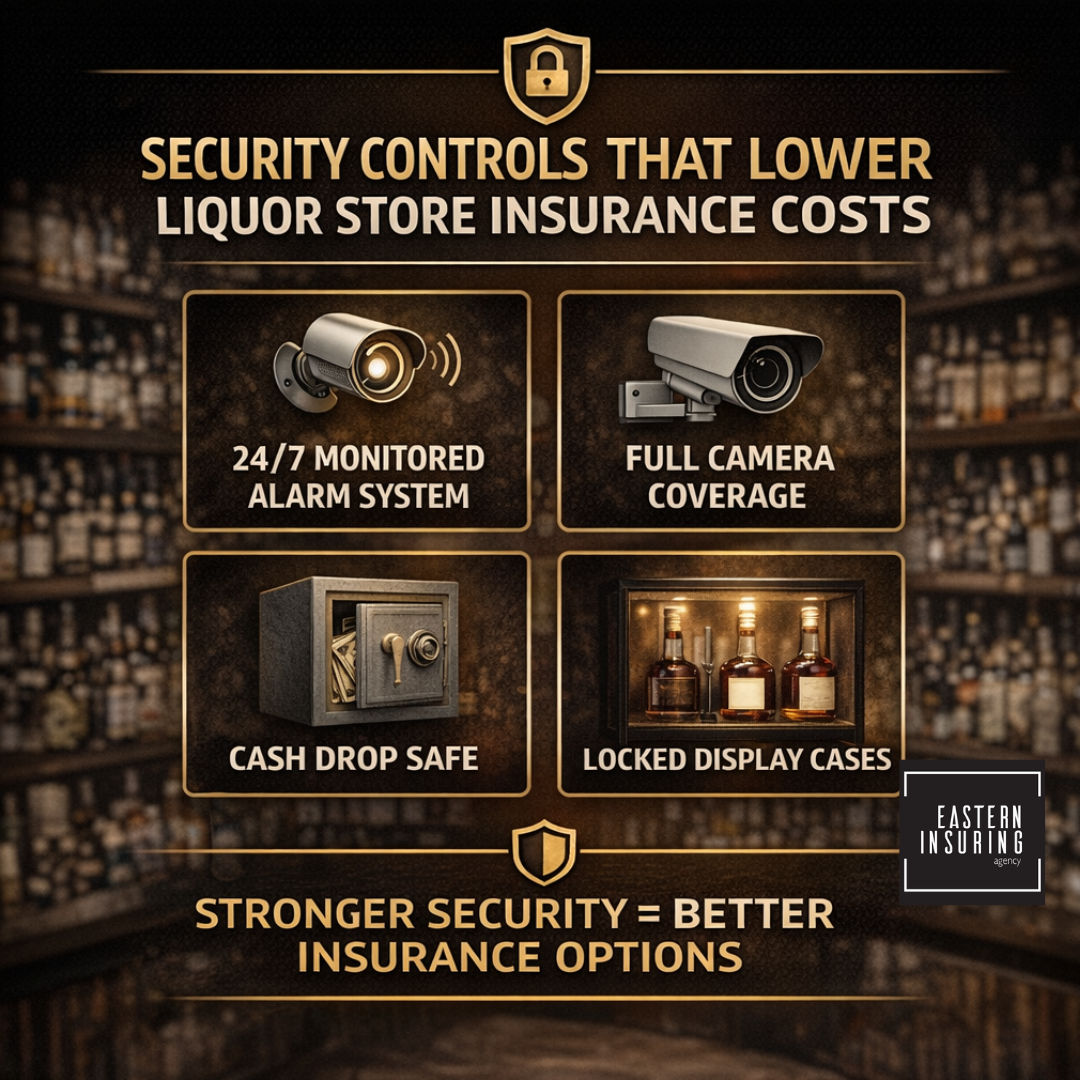
- Surveillance systems
- Alarm monitoring
- Lighting and visibility
- Cash handling procedures
Repeated theft-related losses or lack of controls may impact underwriting decisions and renewal outcomes
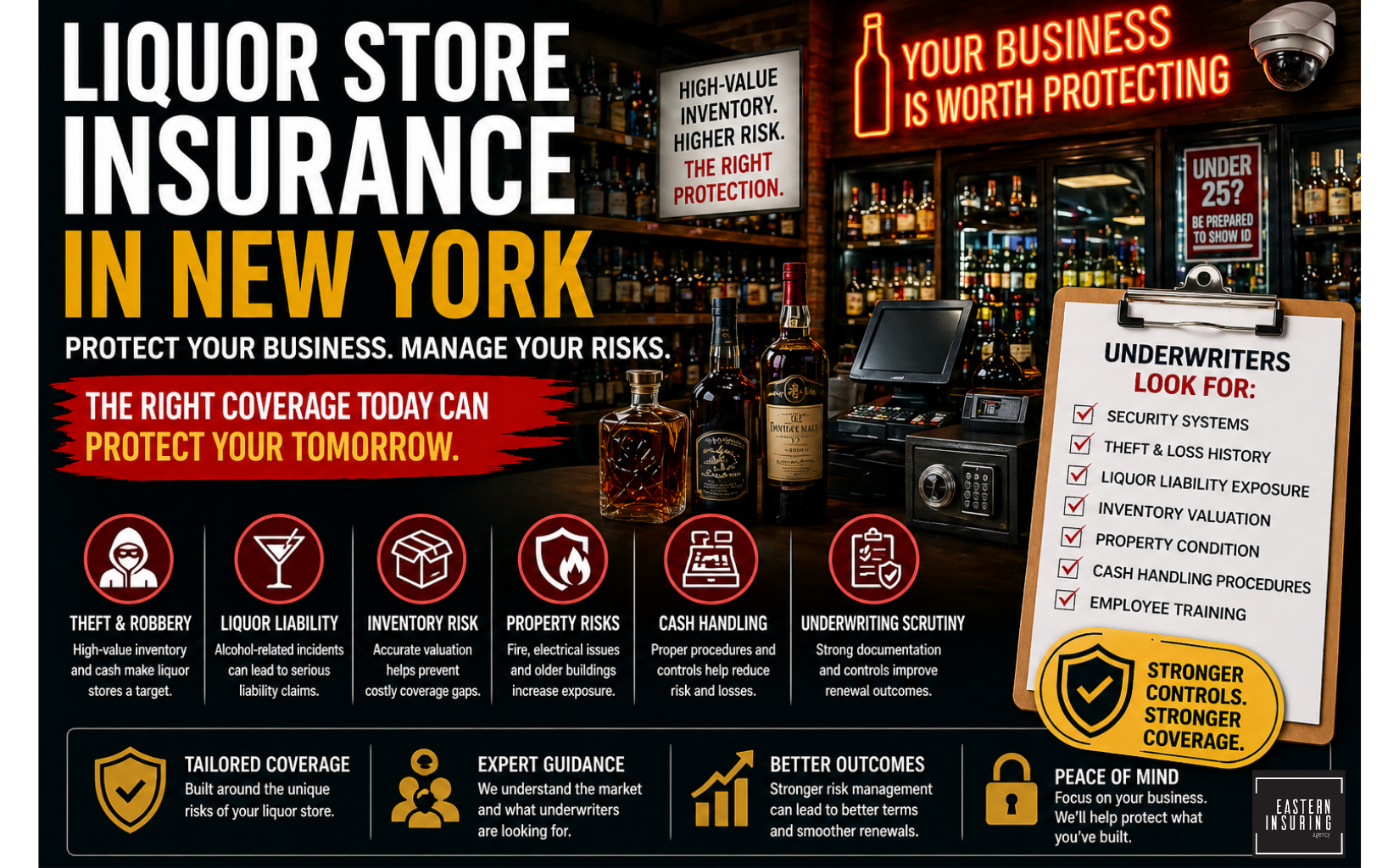
3. Alcohol & Tobacco Exposure
Stores that sell alcohol or tobacco products may face additional scrutiny depending on:
- Percentage of revenue from these products
- Store hours
- Location risk profile
These exposures can influence:
- Liability considerations
- Carrier appetite
- Required coverages
4. Property & Equipment Risks
Convenience stores rely on key equipment such as:
- Refrigeration units
- Point-of-sale systems
- Electrical systems
Common concerns include:
- Equipment breakdown
- Spoilage of perishable goods
- Electrical issues in older buildings
Spoilage and equipment-related losses are frequently seen in this class
5. What Underwriters Typically Look For
When reviewing convenience store risks, carriers often focus on:
Security Measures
- Camera systems
- Monitored alarms
- Cash drop safes
Operational Controls
- Employee procedures
- Background checks (in some cases)
- Incident response protocols
Property Condition
- Electrical updates
- Roof condition
- Refrigeration maintenance
These factors can significantly influence both pricing and eligibility
6. Common Challenges That May Impact Coverage
Based on market trends, increased scrutiny may occur when there is:
- Lack of documented security systems
- Prior assault & battery incidents
- High crime location without controls
- Multiple small or repeated claims
- Extended or 24-hour operations in higher-risk areas
These factors do not automatically result in coverage restrictions, but they may affect underwriting decisions and available options.
7. The Reality of Today’s Market
Convenience stores are generally considered a more closely evaluated class of business.
Many carriers are focusing on:
- Loss history trends
- Risk controls in place
- Operational consistency
This means that stores demonstrating strong controls and documentation are often better positioned during renewal.
How Eastern Insuring Agency Supports Convenience Store Owners
At Eastern Insuring Agency, we take a proactive approach to working with convenience store clients.
We help owners:
- Identify exposures specific to their operation
- Understand how carriers evaluate their risk
- Align their insurance structure with their business model
- Prepare for renewals with a focus on long-term insurability
Our goal is to provide clarity and guidance—so you can make informed decisions about your coverage.
Important Note
This article is provided for informational purposes only and is not intended to amend, interpret, or replace any insurance policy. Coverage availability, terms, and conditions vary by carrier and policy. Business owners should consult with a licensed insurance professional to review their specific situation.
If you own or operate a convenience store in New York and would like to review your current insurance program:
👉 We’re available to walk through your coverage and help you better understand how it may respond—and how your business is positioned at renewal.
Recent posts