
Why Restaurant Safety Programs Lower Insurance Costs How Smart Risk Management Protects Your Team and Your Bottom Line
Penny Hendrie
From an insurance perspective, restaurants that implement strong safety programs often experience fewer claims and better underwriting outcomes. Carriers look closely at how a business manages risk when determining pricing and coverage terms.
Below are several ways proactive safety programs can help reduce risk and potentially lower insurance costs over time.
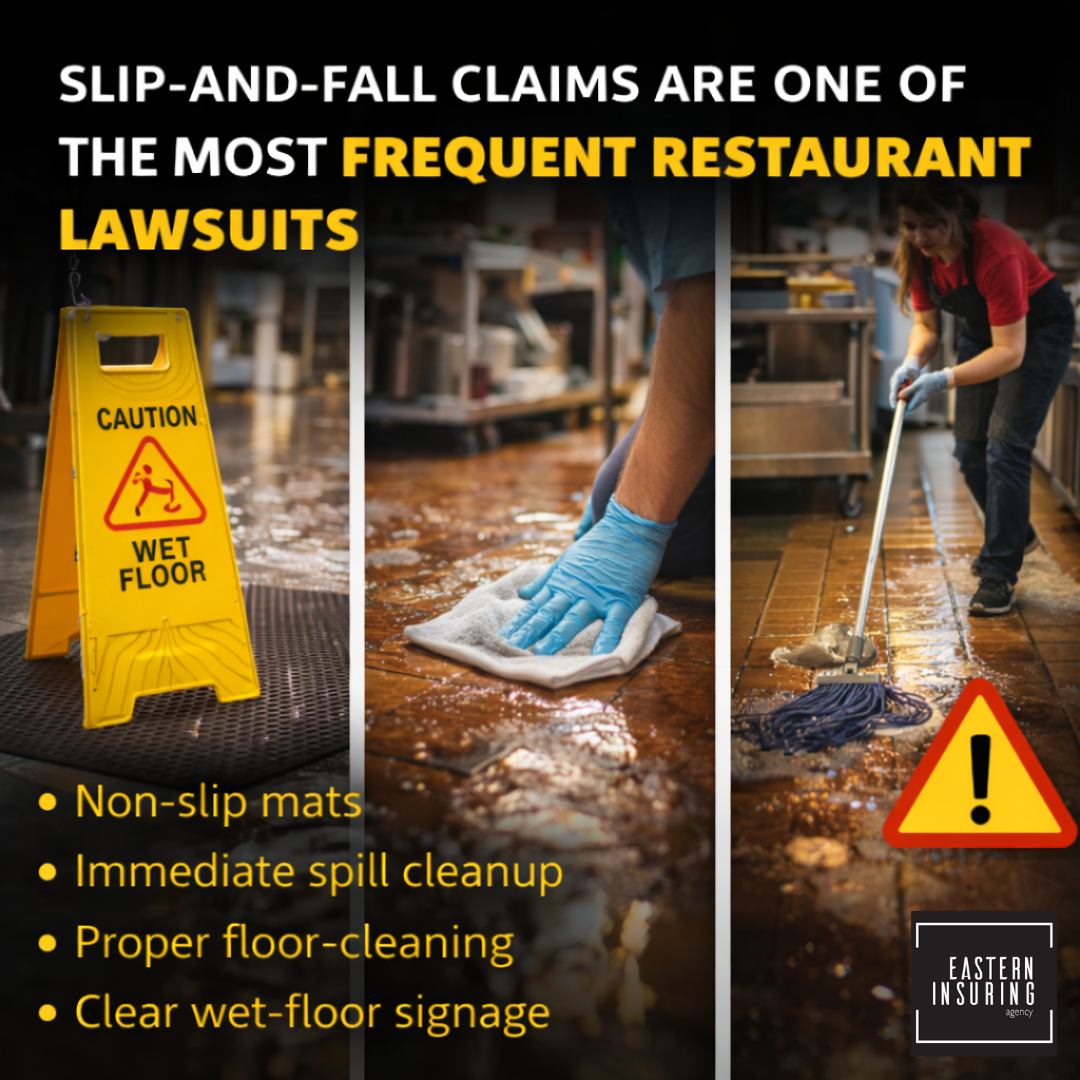
Workers’ Compensation Trends in Restaurants
Restaurants consistently rank among industries with higher rates of workplace injuries. Fast-paced kitchens, hot equipment, heavy lifting, and slippery floors all contribute to employee risk.
Common workers’ compensation claims in pizzerias include:
Slips and falls in the kitchen or service areas
Burns from ovens or cooking equipment
Lifting injuries from flour bags or food supplies
Repetitive strain injuries from food preparation tasks
Even minor injuries can result in medical costs, lost wages, and increased workers’ compensation premiums. When claims occur frequently, insurance carriers may view the business as higher risk.
Implementing safety procedures—such as clear floor-cleaning protocols, proper lifting techniques, and organized workspaces—can significantly reduce the likelihood of these injuries.
Slip Prevention Programs
Slip-and-fall incidents are one of the most common causes of both employee injuries and customer liability claims in restaurants.
Because pizzerias handle ingredients like oil, flour, and water, the potential for slippery surfaces is constant.
A strong slip prevention program should include:
Non-slip flooring or mats in high-risk areas
Immediate cleanup procedures for spills
Clearly marked wet-floor signage
Regular inspections of floors, mats, and walkways
Entry mats to reduce water tracked in during rain or snow
Small operational improvements like these can greatly reduce the risk of accidents while also demonstrating to insurance carriers that the business takes safety seriously.
Equipment Maintenance Schedules
Restaurant equipment works hard every day. Pizza ovens, refrigeration systems, mixers, and ventilation systems often run for long hours under heavy demand.
When equipment is not properly maintained, it increases the risk of:
Mechanical breakdowns
Electrical failures
Fires or overheating
Food spoilage due to refrigeration failure
Establishing a regular maintenance schedule for kitchen equipment helps prevent unexpected failures and reduces the likelihood of costly property claims.
Keeping service records and maintenance logs can also show insurance carriers that the business actively manages equipment risk.
Safety Training Documentation
One of the most effective ways to reduce workplace injuries is consistent employee training.
Restaurants that prioritize safety training often see fewer incidents because employees understand how to identify hazards and respond appropriately.
Important training topics may include:
Proper lifting techniques
Burn prevention around ovens and hot surfaces
Safe food handling practices
Emergency procedures
Spill cleanup protocols
Equally important is documenting these training efforts. Written safety procedures and training records demonstrate that the business has established safety standards and actively educates employees.
From an underwriting perspective, documented safety programs often reflect a lower-risk operation.
Conclusion: Proactive Risk Management Leads to Better Outcomes
Insurance is designed to protect businesses when unexpected events occur. However, the most successful restaurant owners understand that preventing losses in the first place is just as important as having coverage in place.
Proactive safety programs help reduce workplace injuries, prevent equipment failures, and minimize customer accidents. Over time, these efforts can lead to fewer claims and more favorable insurance outcomes.
For pizzerias and restaurants, investing in safety is not just about compliance—it is about protecting your employees, your customers, and the business you have worked hard to build.
Recent posts
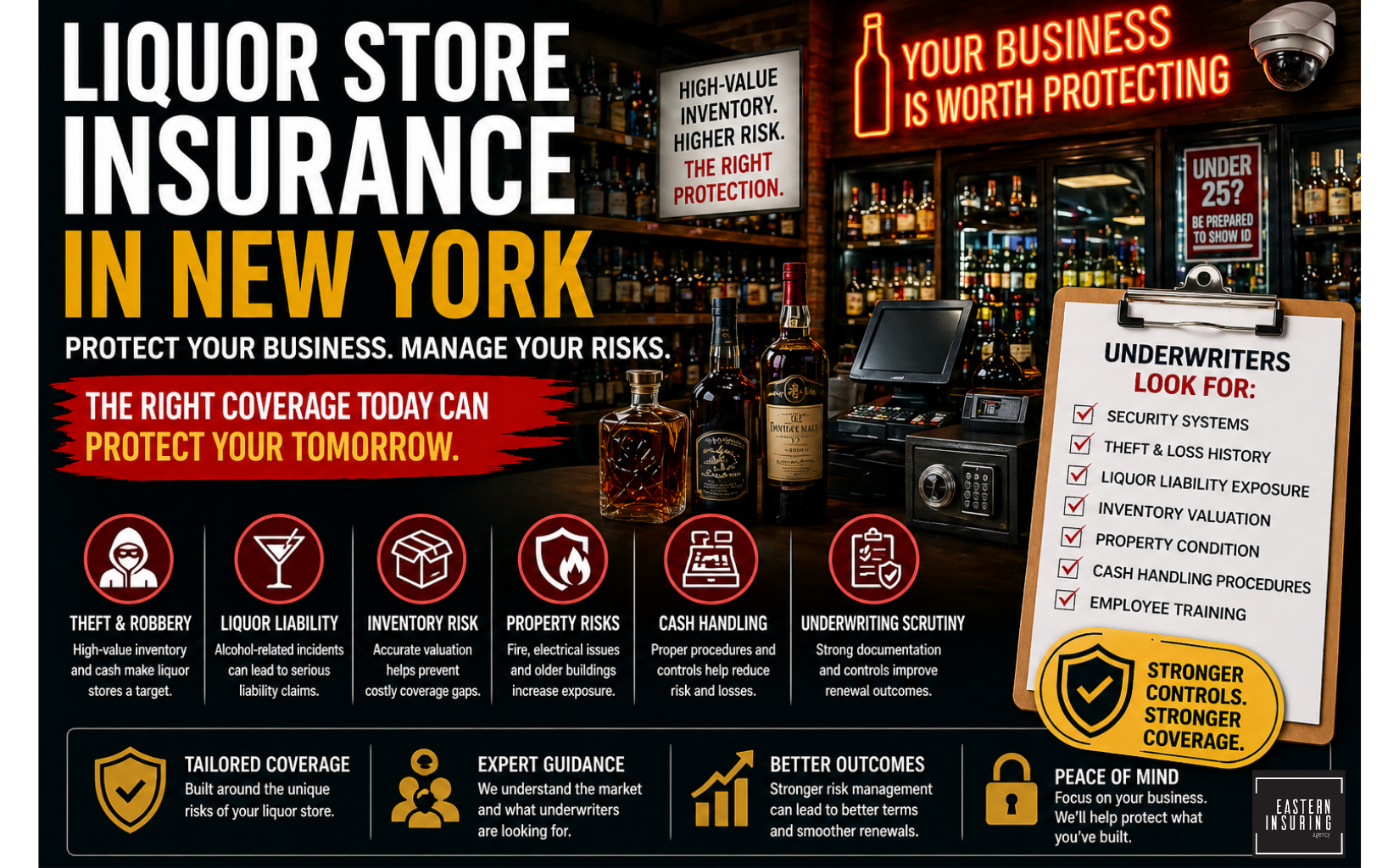
Liquor store insurance in New York explained. Learn about theft, liability, and inventory risks—and how to better protect your business.

Opening your pool in New York? Learn how insurance applies to pools, liability risks, safety requirements, and what to review before the season starts.
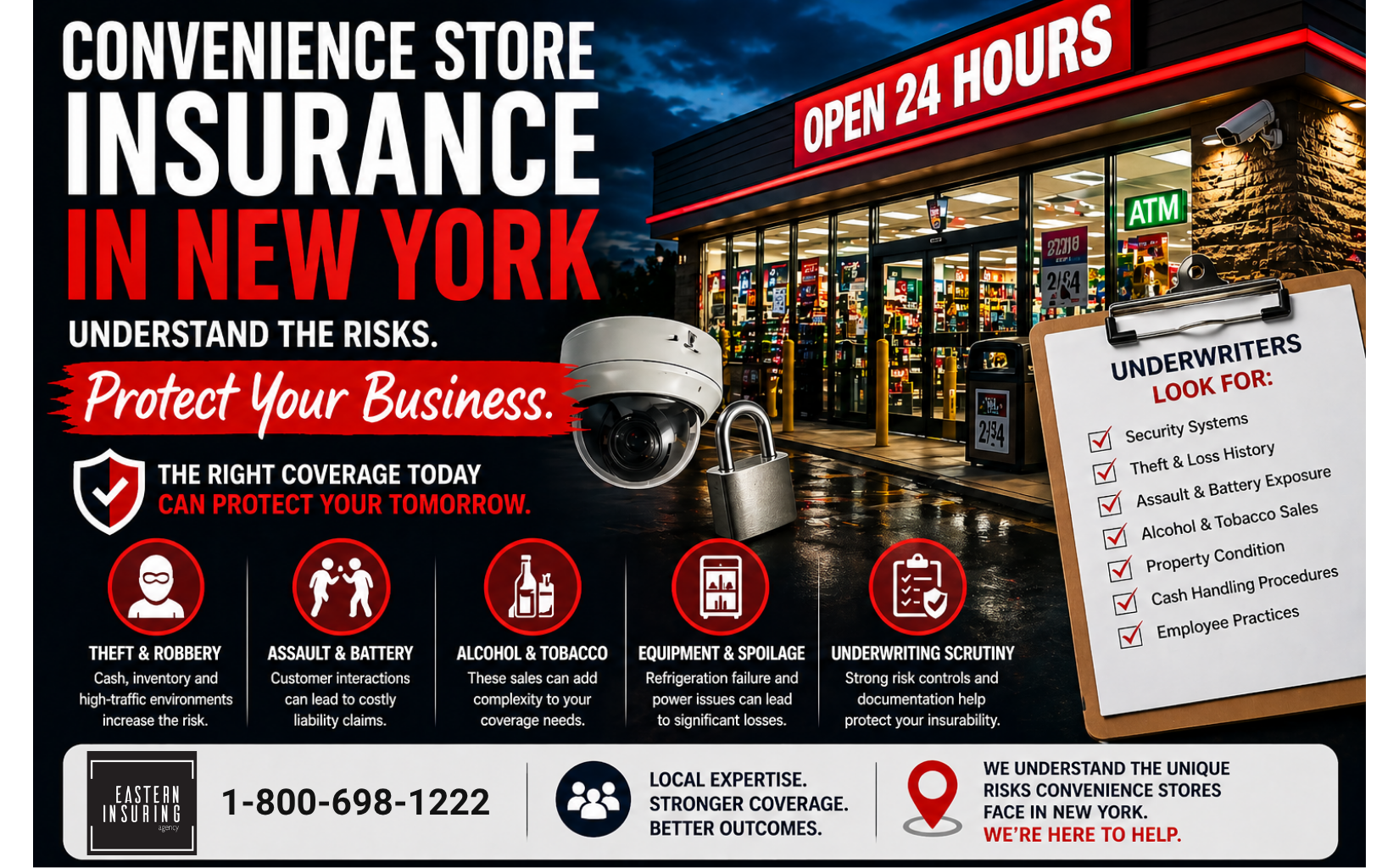
Convenience store insurance in New York explained. Learn about theft, liability, and underwriting risks—and how to better protect your business.

New York storm season is here. Learn what homeowners insurance may not cover—flood, sewer backup, and wind damage—and why a review matters.

Own a boat, motorcycle, or ATV in New York? Learn how insurance coverage works, where gaps may exist, and why a policy review matters.
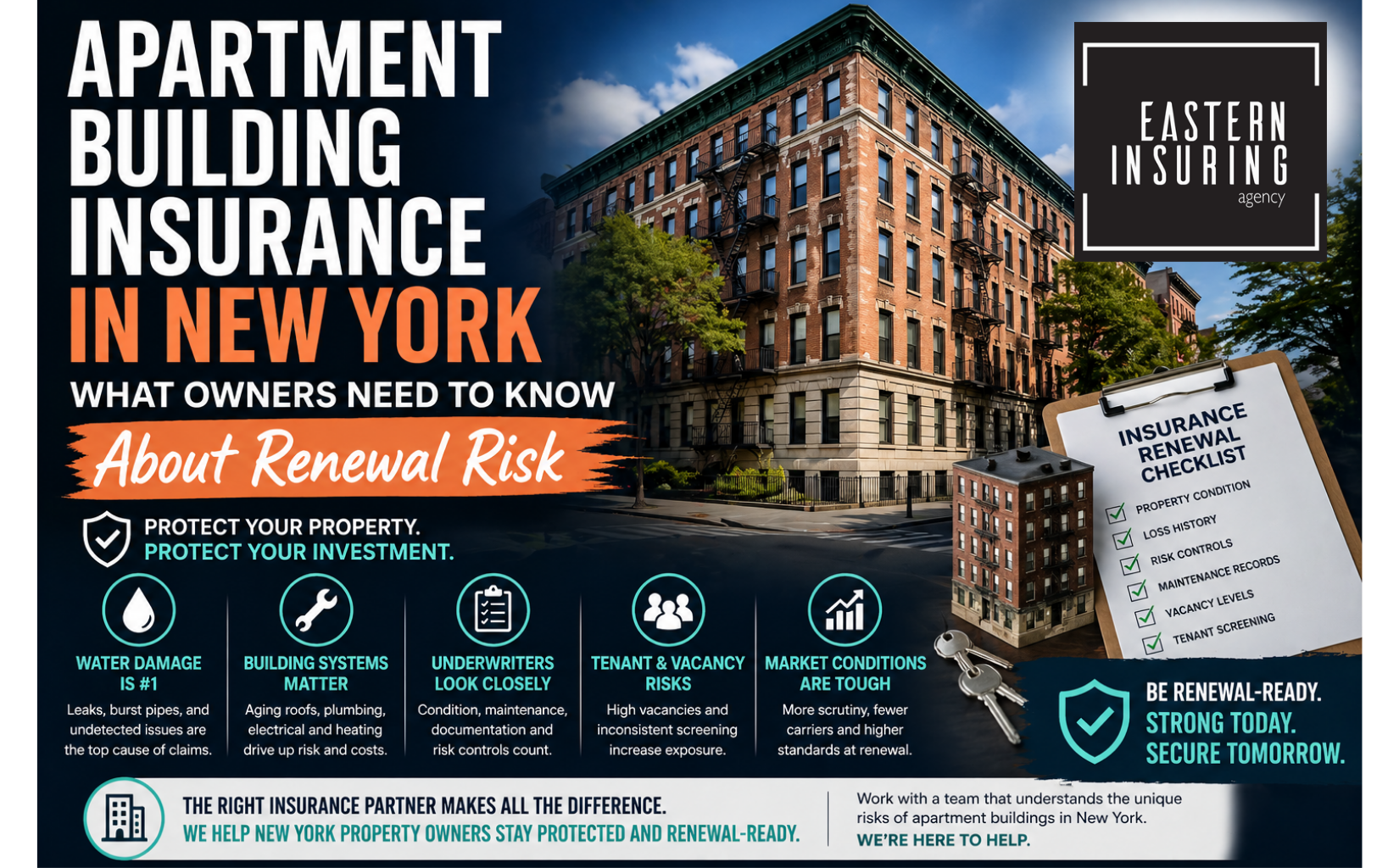
Apartment building insurance in New York explained. Learn what impacts renewals, from water damage to maintenance—and how to better position your property.
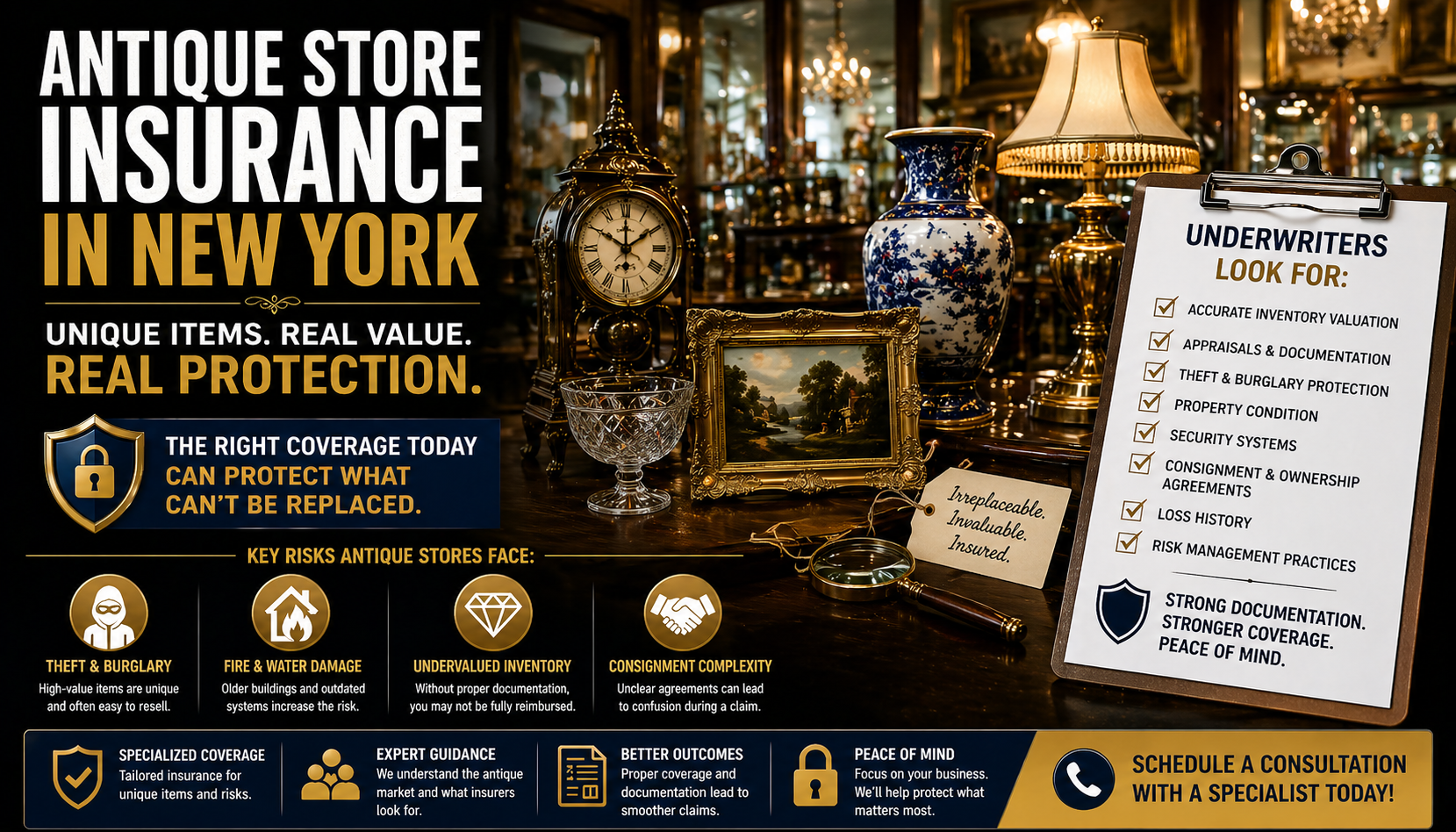
Antique store insurance in New York explained. Learn about valuation, theft risks, and coverage considerations for high-value inventory.

Florist insurance in New York explained. Learn key risks like spoilage, delivery liability, and event exposure—and how to better protect your business.
Planning a home project in New York? Learn how homeowners insurance applies to renovations, liability, and materials—and where gaps may exist.
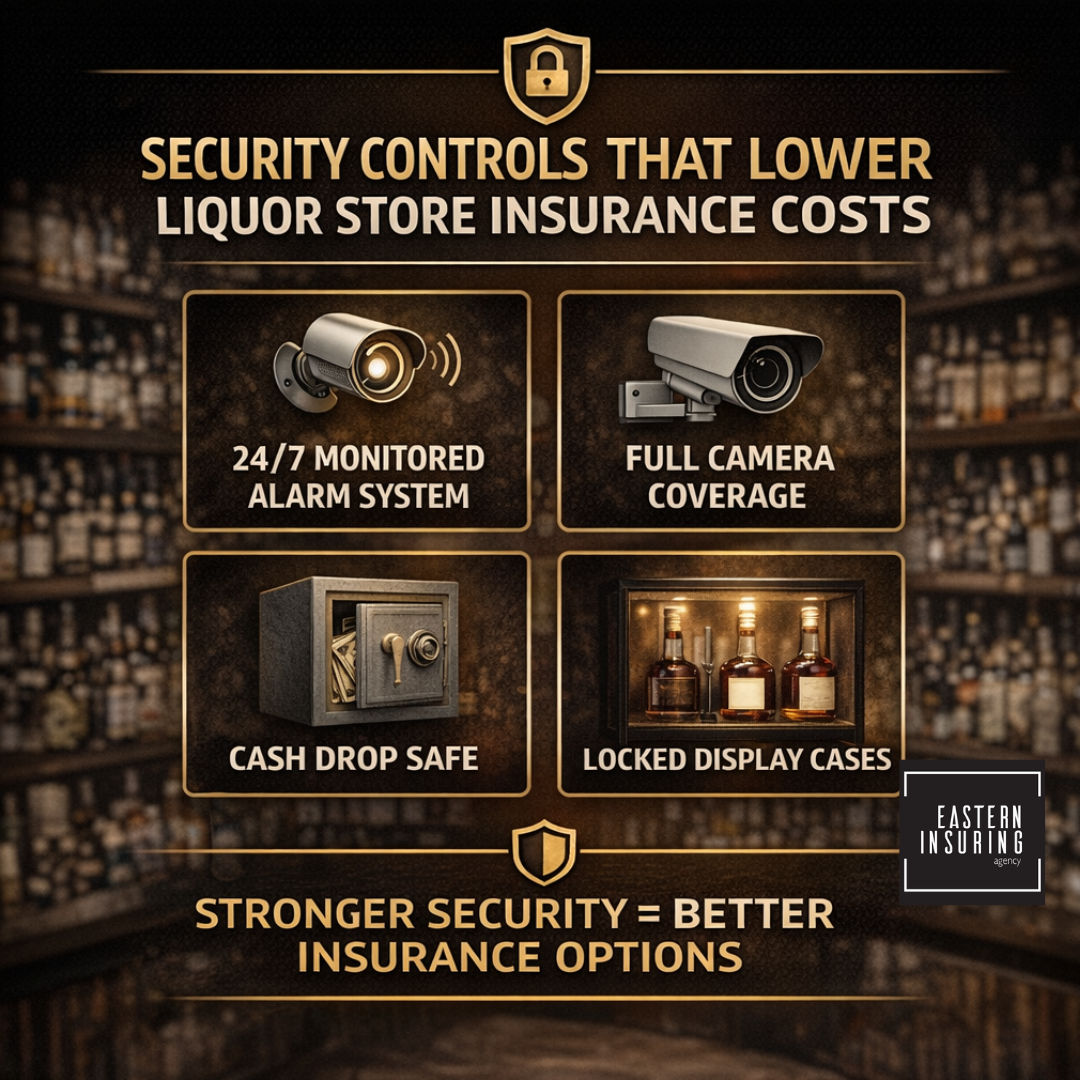
NY liquor stores face high insurance scrutiny. Strong risk management—alarms, cameras, training—helps lower premiums and improve coverage.