
The Biggest Insurance Risks Liquor Stores Face in New York State
Penny Hendrie
Liquor stores in New York operate in a retail category that carries several unique risk exposures. From an insurance standpoint, wine and spirits retailers face a combination of property risk, crime exposure, liability concerns, and regulatory oversight that most other retailers do not encounter. Insurance carriers evaluate liquor stores closely because even relatively small operational issues can lead to significant financial losses or liability claims. Understanding these exposures is the first step in managing risk and maintaining stable insurance coverage. This is a subtitle for your new post
Insurance carriers evaluate liquor stores closely because even relatively small operational issues can lead to significant financial losses or liability claims. Understanding these exposures is the first step in managing risk and maintaining stable insurance coverage. This is a subtitle for your new post
Below are the most common and costly risks liquor stores face in New York State, along with insight into how insurance carriers evaluate them.
Theft and Robbery
Theft remains the single most frequent claim type for liquor stores.
Alcohol products—especially premium spirits—are valuable, portable, and easy to resell, which makes them attractive targets for both shoplifters and organized retail theft groups.
Common theft exposures include:
• Shoplifting of premium bottles
• Organized retail theft rings targeting high-end spirits
• Smash-and-grab burglaries after business hours
• Employee theft of inventory or cash
Liquor stores located in higher crime areas often face increased underwriting scrutiny,
and insurance carriers carefully evaluate the security measures in place.
Carriers typically want to see:
• A monitored alarm system
• High-quality surveillance cameras covering entrances and sales areas
• Locked display cabinets for rare or high-value bottles
• Cash drop safes and controlled cash handling procedures
Stores with repeated theft claims may face:
• Higher deductibles
• Reduced theft coverage limits
• Mandatory security improvements
• Fewer insurance carrier options
Proactive theft prevention measures can significantly improve a store’s risk profile.
Slip and Fall Liability
Liquor stores are open to the public and experience regular customer traffic, which creates ongoing premises liability exposure.
Slip and fall incidents are among the most common liability claims in retail businesses.
Typical causes include:
• Wet floors during winter weather
• Spilled liquids from broken bottles
• Poor lighting in aisles or entryways
• Uneven flooring or damaged surfaces
• Cluttered displays or narrow walkways
Even minor injuries can result in legal claims and medical expenses. New York’s legal environment can make these claims particularly costly.
Insurance carriers often review:
• Store layout and aisle spacing
• Cleaning and inspection procedures
• Incident reporting protocols
• Surveillance camera coverage
Maintaining documented safety procedures and regular floor inspections can help reduce the likelihood of these claims.
Assault and Altercation Claims
Because alcohol is involved, liquor stores sometimes experience customer disputes or altercations, especially during late evening hours.
Claims may arise from:
• Arguments between customers
• Robbery incidents involving violence
• Physical altercations inside or outside the store
• Employee involvement in customer disputes
Some insurance policies contain assault and battery exclusions or sub-limits, particularly for businesses that sell alcohol.
Underwriters may consider factors such as:
• Store hours of operation
• Neighborhood crime statistics
• Security measures
• Staff training procedures
Liquor stores that operate late into the evening should consider additional safety precautions, such as enhanced lighting and camera coverage around entrances and parking areas.
Liquor Liability Exposure
Although most liquor stores sell alcohol strictly for off-premise consumption, they can still face liquor liability exposure.
Liquor liability claims typically involve allegations that alcohol contributed to an accident or injury.
Examples include:
• A customer allegedly sold alcohol while visibly intoxicated
• Failure to properly verify identification
• Alcohol-related incidents following a tasting event
In New York, alcohol-related liability claims can be serious and may involve significant damages.
Liquor stores that conduct wine or spirits tastings
must be particularly careful.
Insurance carriers often want to know:
• Whether staff check identification before serving alcohol
• Whether tasting portions are limited
• Whether trained staff supervise events
• Whether intoxicated individuals are refused service
Clear written procedures and proper staff training can help reduce exposure.
Property Damage
Liquor stores also face traditional property risks that can disrupt operations and damage inventory.
Common property claims include:
• Fire damage
• Water damage from plumbing failures
• Roof leaks
• Storm damage
• Refrigeration or equipment failure
Because liquor stores often carry large volumes of glass bottles, even a small fire or water leak can destroy significant inventory.
Property losses may also interrupt business operations, resulting in lost revenue.
Insurance carriers review several factors when underwriting property risk:
• Age and condition of the building
• Electrical system upgrades
• Roof type and maintenance history
• Fire protection systems
• Distance to fire departments and hydrants
Liquor stores operating in older buildings should ensure building systems are properly maintained and updated to reduce potential losses.
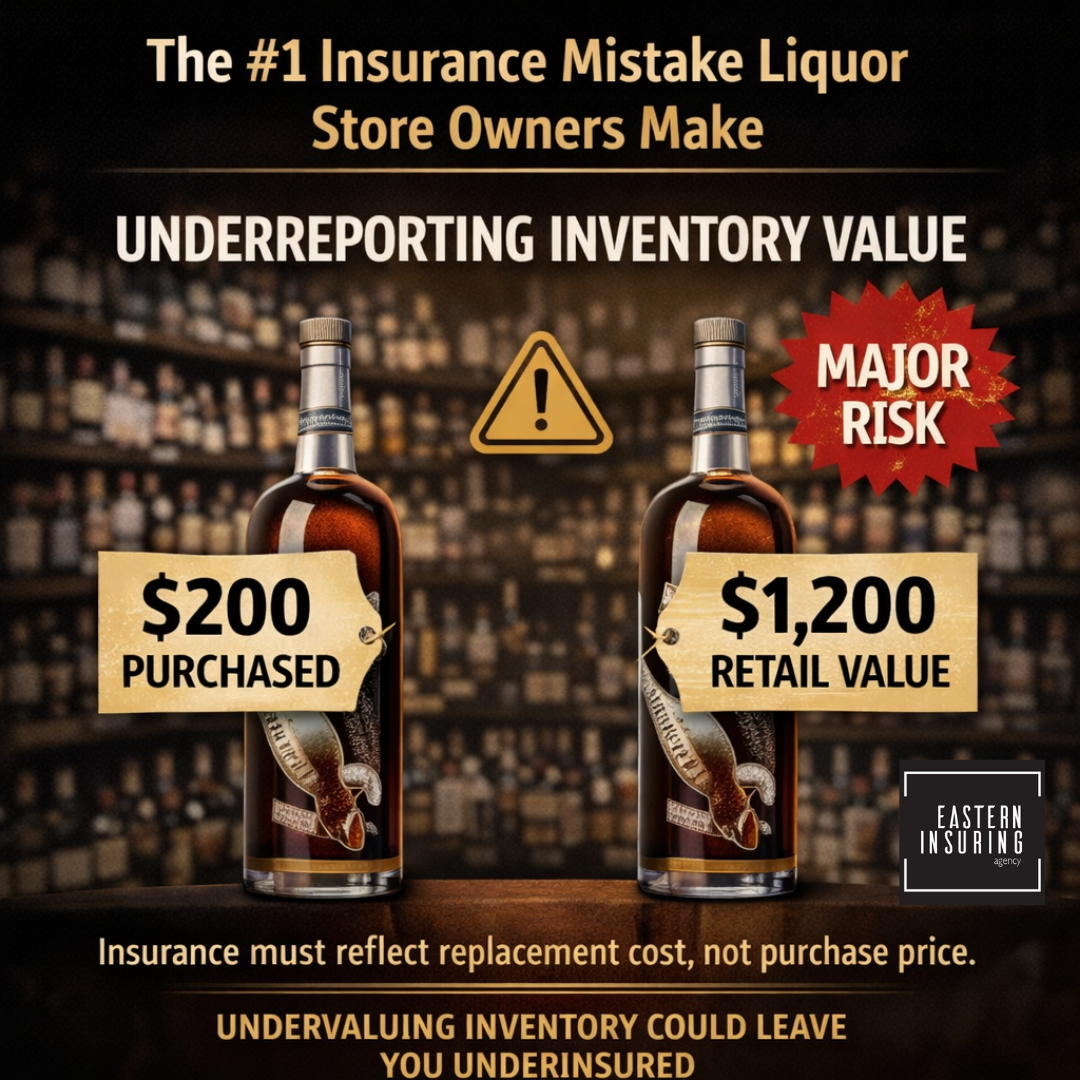
Inventory Underreporting
One of the most overlooked insurance risks for liquor stores is inaccurate inventory valuation.
Many liquor store owners insure inventory based on wholesale purchase cost, but insurance policies often require values closer to replacement cost or retail value.
This issue becomes particularly important for stores carrying:
• Allocated bourbons
• Rare scotch
• Vintage wines
• Limited-release spirits
For example:
A bottle purchased wholesale for $200 may retail for $1,000 or more.
If inventory values are understated and a major loss occurs, the store may face coinsurance penalties or insufficient claim payments.
Carriers prefer stores that maintain:
• Accurate inventory tracking systems
• Regular inventory audits
• Proper valuation of high-end spirits
Proper inventory reporting helps ensure adequate protection.
Small but Frequent Property Claims
Insurance carriers often become concerned when liquor stores report frequent small property claims.
Examples include:
• Broken windows
• Minor water leaks
• Small theft incidents
• Damage from minor accidents
While these losses may seem minor individually, repeated claims can signal poor maintenance or weak security controls.
Frequent small claims can lead to:
• Higher insurance premiums
• Increased deductibles
• Carrier non-renewal
Many businesses choose to absorb minor losses internally rather than filing multiple small claims.
Operational Risks and Employee Practices
Insurance carriers also evaluate the operational practices of liquor stores.
Areas of concern may include:
• Lack of employee training on ID verification
• Poor documentation of incidents
• Inadequate procedures for alcohol tastings
• No formal theft prevention procedures
Stores that demonstrate strong operational controls
are typically viewed as more stable risks by insurance carriers.
Employee training and documented procedures can reduce the likelihood of liability claims and improve underwriting outcomes.
Final Thoughts
Liquor stores in New York State face a variety of risks that extend beyond traditional retail exposures.
Insurance carriers closely evaluate factors such as:
• Theft and robbery exposure
• Liability risks involving customers
• Alcohol-related claims
• Property and building conditions
• Inventory valuation practices
• Operational procedures
Liquor store owners who actively manage these risks often benefit from:
• More insurance carrier options
• Lower premiums
• Better long-term coverage stability
Working with an insurance advisor who understands the unique risks associated with liquor retailers can help ensure that coverage is structured properly and that the business is well protected.
Recent posts
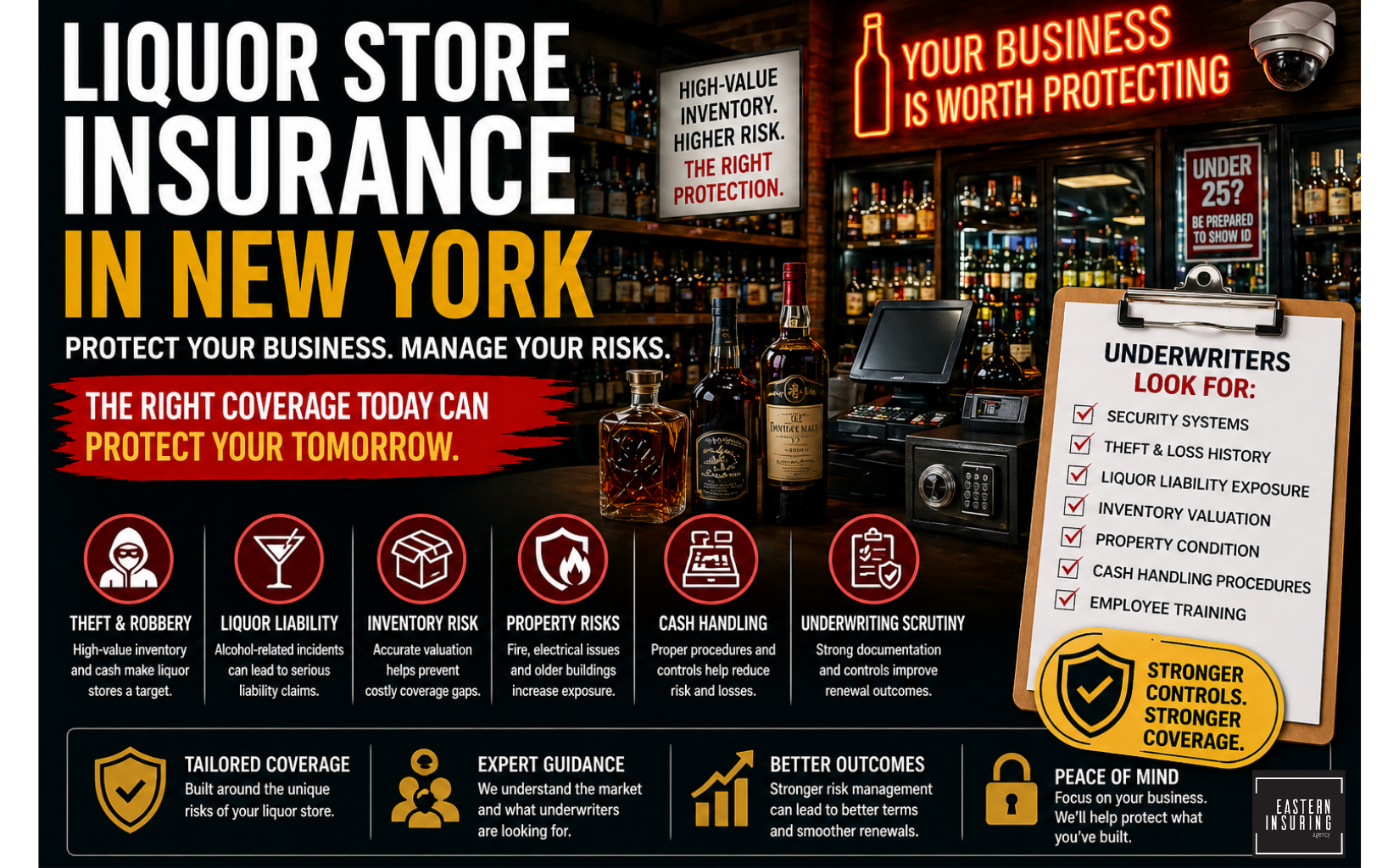
Liquor store insurance in New York explained. Learn about theft, liability, and inventory risks—and how to better protect your business.

Opening your pool in New York? Learn how insurance applies to pools, liability risks, safety requirements, and what to review before the season starts.
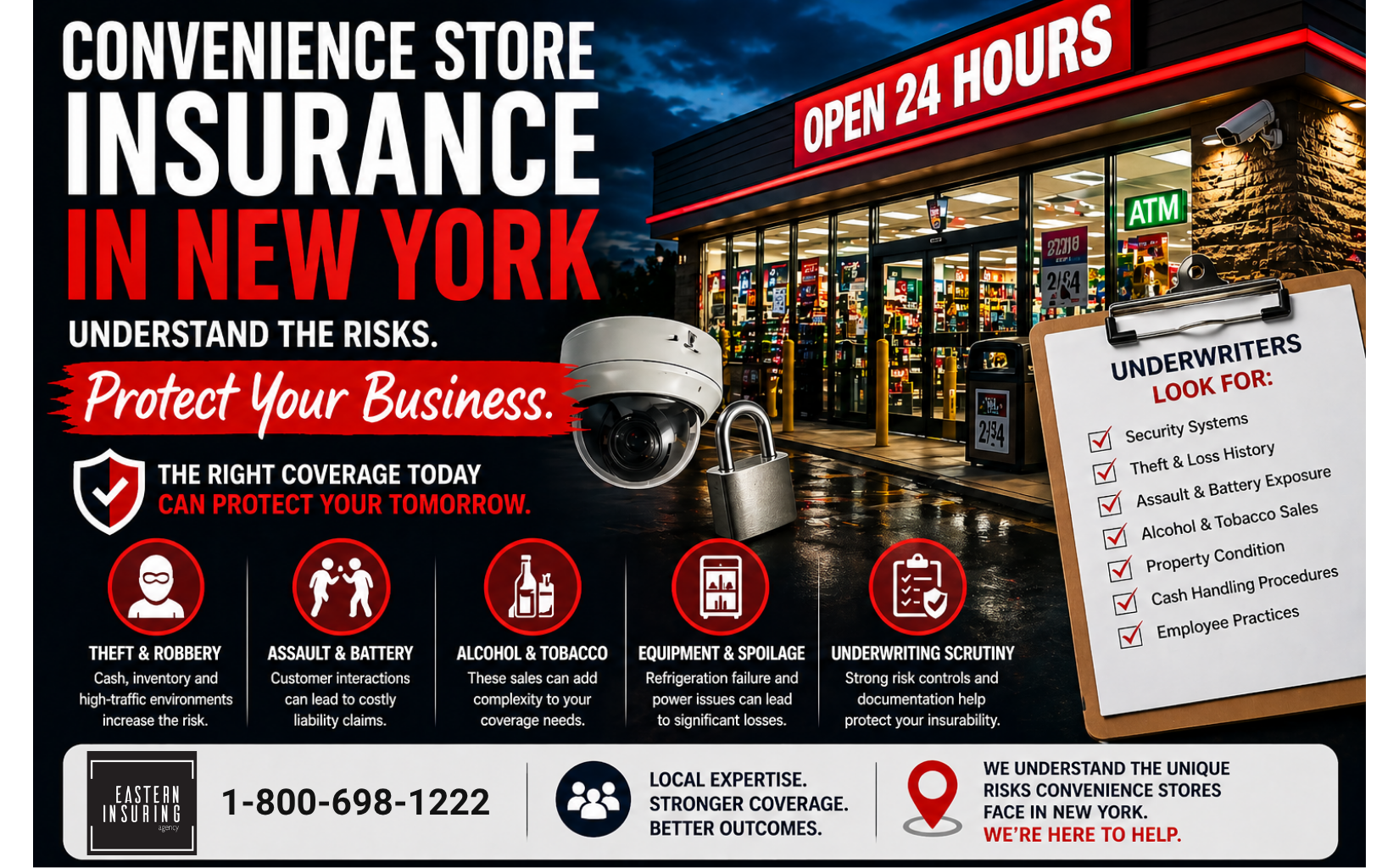
Convenience store insurance in New York explained. Learn about theft, liability, and underwriting risks—and how to better protect your business.

New York storm season is here. Learn what homeowners insurance may not cover—flood, sewer backup, and wind damage—and why a review matters.

Own a boat, motorcycle, or ATV in New York? Learn how insurance coverage works, where gaps may exist, and why a policy review matters.
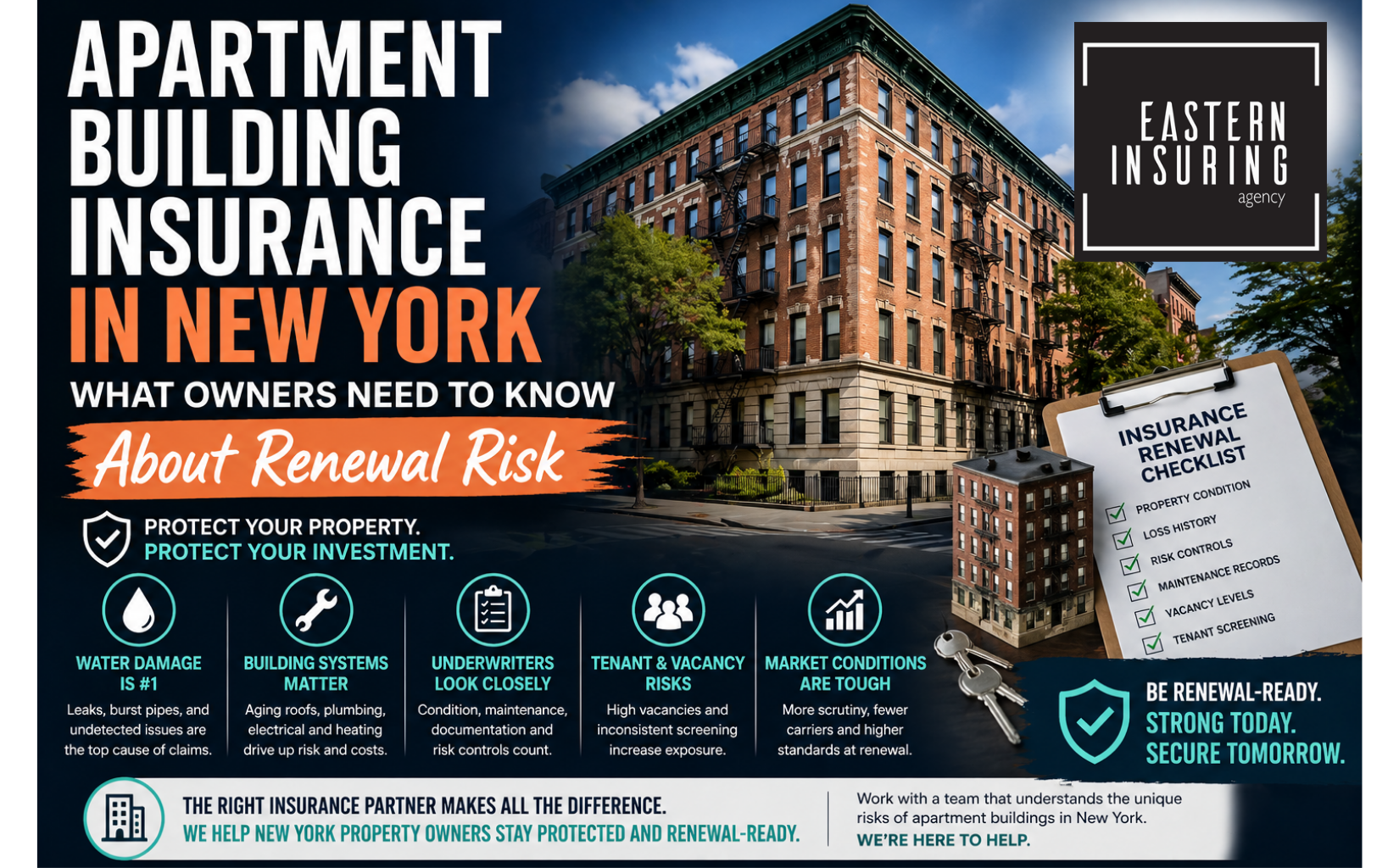
Apartment building insurance in New York explained. Learn what impacts renewals, from water damage to maintenance—and how to better position your property.
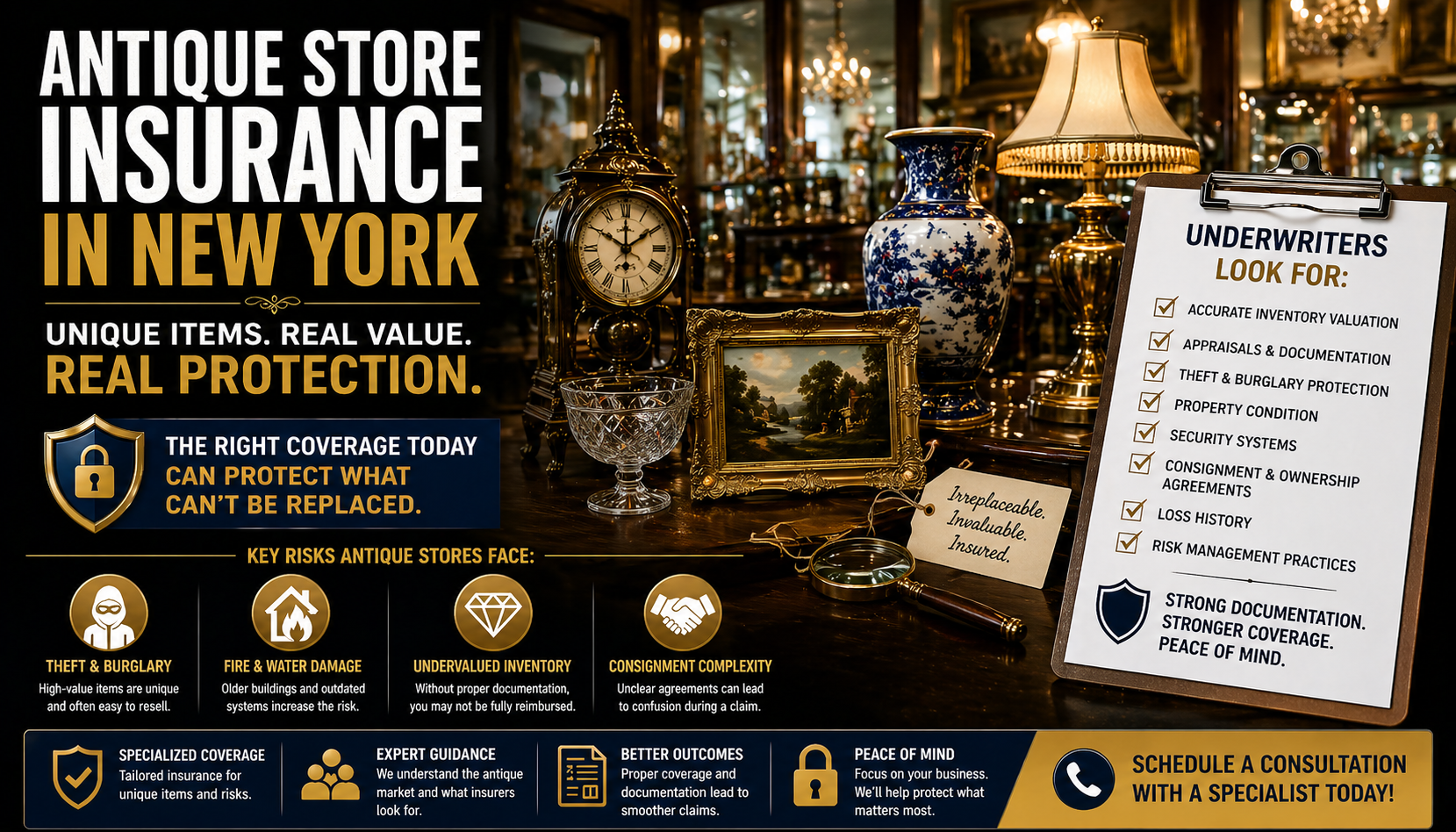
Antique store insurance in New York explained. Learn about valuation, theft risks, and coverage considerations for high-value inventory.

Florist insurance in New York explained. Learn key risks like spoilage, delivery liability, and event exposure—and how to better protect your business.
Planning a home project in New York? Learn how homeowners insurance applies to renovations, liability, and materials—and where gaps may exist.
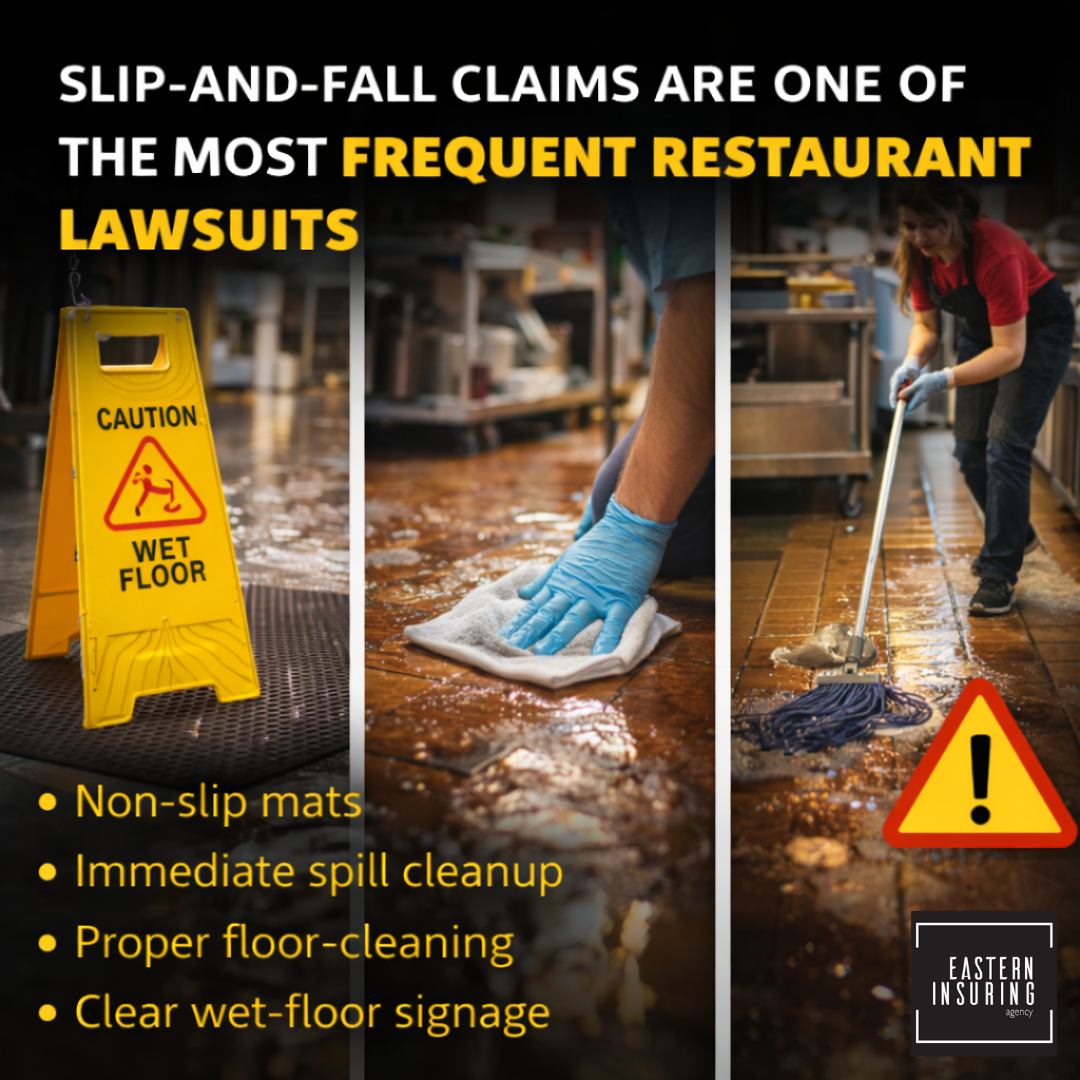
Strong safety programs help restaurants reduce injuries, prevent claims, and lower insurance costs—protecting staff, customers, and profits.