How Insurance Companies Underwrite Liquor Stores in New York State
Penny Hendrie
Liquor stores in New York operate in a highly regulated and closely scrutinized retail category, and insurance carriers evaluate them very differently than standard retail businesses. From an underwriting perspective, liquor stores combine high-value inventory, crime exposure, alcohol liability risk, and regulatory oversight, all of which require careful review before a policy is written. This is a subtitle for your new post
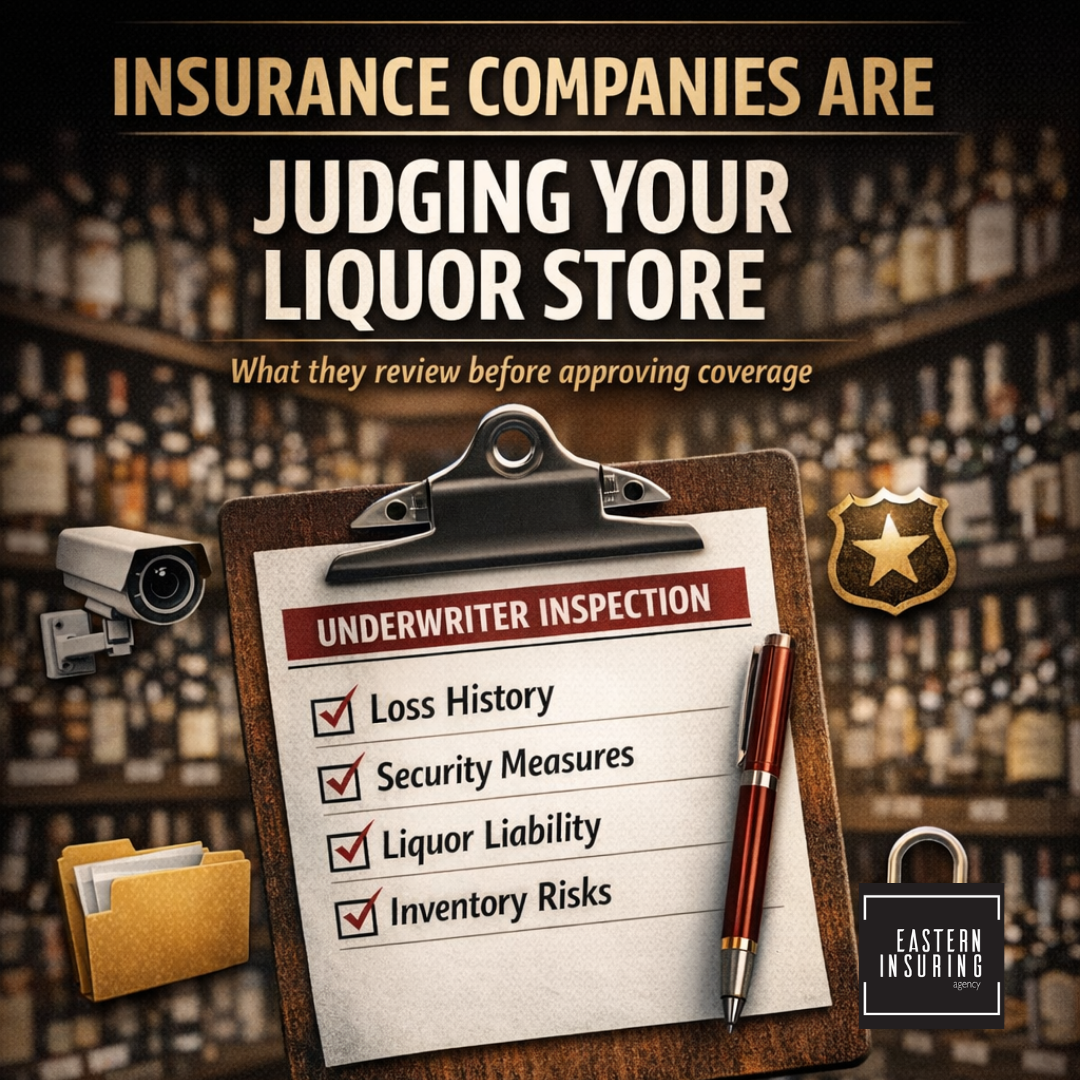
Understanding how insurers evaluate liquor stores can help owners position their business for better coverage options, stronger carrier relationships, and more favorable pricing.
Below is an expert look at how commercial insurance companies underwrite liquor stores across New York State.
Why Liquor Stores Are Considered High-Scrutiny Risks
Retail liquor stores fall into what insurers consider a specialty retail risk class.
Unlike most retail operations, liquor stores combine several exposures that increase the likelihood and severity of insurance claims.
These exposures include:
High-value, easily resold inventory
Premium spirits, bourbon allocations, and rare wines can be worth thousands of dollars and are easily resold on the secondary market, making them attractive targets for theft.
Cash-heavy transactions
Many liquor stores process significant cash transactions, which increases robbery exposure.
Alcohol-related liability exposure
Even though most liquor stores sell alcohol for off-premise consumption, the potential for claims tied to intoxication still exists, particularly when stores conduct tastings or promotional events.
Late operating hours
Stores open late into the evening tend to see higher theft, robbery, and altercation exposure.
Regulatory oversight
Liquor stores operate under strict regulations from the New York State Liquor Authority (SLA), and violations can increase liability exposure.
Because of these factors, liquor stores are evaluated far more carefully than typical retail operations like clothing stores or gift shops.
Carriers often rely on specialized underwriting guidelines
for wine and spirits retailers.
Loss History Is the First Thing Carriers Review
When an insurance carrier evaluates a liquor store, the first document underwriters request is the loss runs report.
Loss runs typically cover three to five years of claims history and provide insight into how the business manages risk.
Underwriters carefully analyze:
Theft and Burglary Claims
Liquor stores experience some of the highest theft frequency among retail operations.
Multiple theft claims can raise concerns about:
• Security weaknesses
• Inventory control issues
• Organized retail theft
• Employee dishonesty
Frequent theft claims may result in:
• Higher deductibles
• Reduced theft coverage
• Mandatory security upgrades
• Limited carrier options
Slip and Fall Claims
Liquor stores are open to the public and experience regular foot traffic, which creates ongoing premises liability exposure.
Common causes include:
• Wet floors during winter months
• Spilled liquids
• Poor lighting
• Cluttered aisles or displays
Even minor injuries can lead to lawsuits, making loss frequency an important underwriting factor.
Assault and Altercation Claims
Because alcohol is involved, liquor stores sometimes experience disputes between customers.
Claims can arise from:
• Customer altercations
• Staff intervention in disputes
• Robbery incidents
Some insurance carriers place strict limitations on assault and battery coverage, especially in higher crime areas.
Liquor Liability Claims
While liquor stores are primarily retail operations, liability exposure can still occur if a claim alleges alcohol contributed to injury or damages.
Examples may include:
• Serving alcohol during tastings without proper procedures
• Allegations of selling alcohol to intoxicated individuals
• Failure to verify identification
Property Damage Claims
Property losses remain common for liquor stores.
Typical claims include:
• Fire damage
• Water damage from plumbing failures
• Roof leaks
• Storm damage
Frequent small property claims can signal poor building maintenance and may negatively impact underwriting decisions.
Security Controls Matter
Because theft and robbery represent some of the largest loss drivers for liquor stores, security controls play a critical role in underwriting decisions.
Insurance carriers strongly prefer stores that demonstrate proactive security measures.
Key controls include:
Monitored Alarm Systems
A professionally monitored alarm system significantly reduces burglary exposure.
Underwriters prefer systems that include:
• Door and window sensors
• Motion detection
• Immediate police notification
• Backup power systems
Stores without monitored alarms often face higher premiums or limited carrier availability.
Surveillance Camera Systems
Modern camera systems serve two purposes:
1.Theft deterrence
2.Claim documentation
Underwriters prefer camera systems that include:
• Interior and exterior coverage
• Clear footage at cash registers
• Entry and exit monitoring
• Cloud or offsite storage
Cameras can also help document slip-and-fall incidents or fraudulent claims.
Locked Displays for High-Value Inventory
High-end spirits such as:
• Limited-release bourbon
• Rare scotch
• Vintage wines
Should be secured in locked display cabinets.
This helps reduce shoplifting exposure and demonstrates responsible inventory protection.
Cash Handling Procedures
Stores with strong cash controls are viewed more favorably by underwriters.
Recommended practices include:
• Cash drop safes
• Limited cash in registers
• Regular deposits
• Dual-control procedures
These measures reduce robbery incentives.
Inventory Accuracy Is Critical
Liquor stores often carry significant inventory values, especially stores that specialize in premium wine and spirits.
Underwriters pay close attention to how inventory values are reported.
One of the most common issues in liquor store insurance is underreported inventory values.
Many owners insure inventory based on wholesale purchase cost, but insurance coverage typically needs to reflect replacement cost or retail value, depending on the policy structure.
For example:
A bottle purchased for $300 wholesale may retail for $1,000 or more.
If inventory values are understated, the store may face coinsurance penalties or coverage gaps after a loss.
Carriers also look for:
• Seasonal inventory increases during holidays
• Allocated bottle collections
• Rare spirits or wine inventory
• Accurate inventory reporting systems
Stores with rare or collectible inventory may need to schedule specific high-value items separately.
Operational Practices Matter to Underwriters
Insurance companies also review the day-to-day operational practices of liquor stores.
Businesses that demonstrate strong internal procedures are typically viewed as better managed risks.
Key operational factors include:
Employee Training
Staff should be trained to:
• Verify identification properly
• Recognize intoxication
• Handle disputes professionally
• follow store security procedures
Documented training programs can strengthen an insurance submission.
Alcohol Tastings and Promotional Events
Many liquor stores host tastings to promote products and increase customer engagement.
However, these events create additional liability exposure.
Underwriters want to understand:
• How tastings are supervised
• Whether IDs are verified
• If consumption limits are enforced
• Whether staff monitor intoxication
Stores should maintain clear written procedures for tastings.
Delivery Services
Some liquor stores offer home delivery, which introduces commercial auto liability exposure.
Insurance carriers will ask:
• Are deliveries made by employees or third-party services?
• Are company vehicles used?
• Are employees using personal vehicles?
If employees deliver alcohol using their personal vehicles, stores may require hired and non-owned auto coverage.
Failure to disclose delivery operations can create serious coverage gaps.
Proper Documentation Improves Insurability
Liquor store owners who maintain strong documentation often find it easier to secure coverage with top-tier insurance carriers.
Important documentation includes:
• Loss runs reports
• Inventory records
• Security system details
• Employee training procedures
• Written alcohol service policies
These details allow insurance agents to present the store as a well-managed, lower-risk operation.
Final Thoughts
Liquor stores in New York State operate in a unique and closely evaluated risk category.
Insurance carriers carefully assess:
• Loss history
• Security measures
• Inventory accuracy
• Operational practices
Store owners who proactively manage these areas often benefit from:
• Lower insurance premiums
• Broader coverage options
• More stable long-term insurance relationships
Working with an insurance advisor who understands the underwriting expectations for liquor retailers can make a significant difference when structuring the right coverage program.
Recent posts
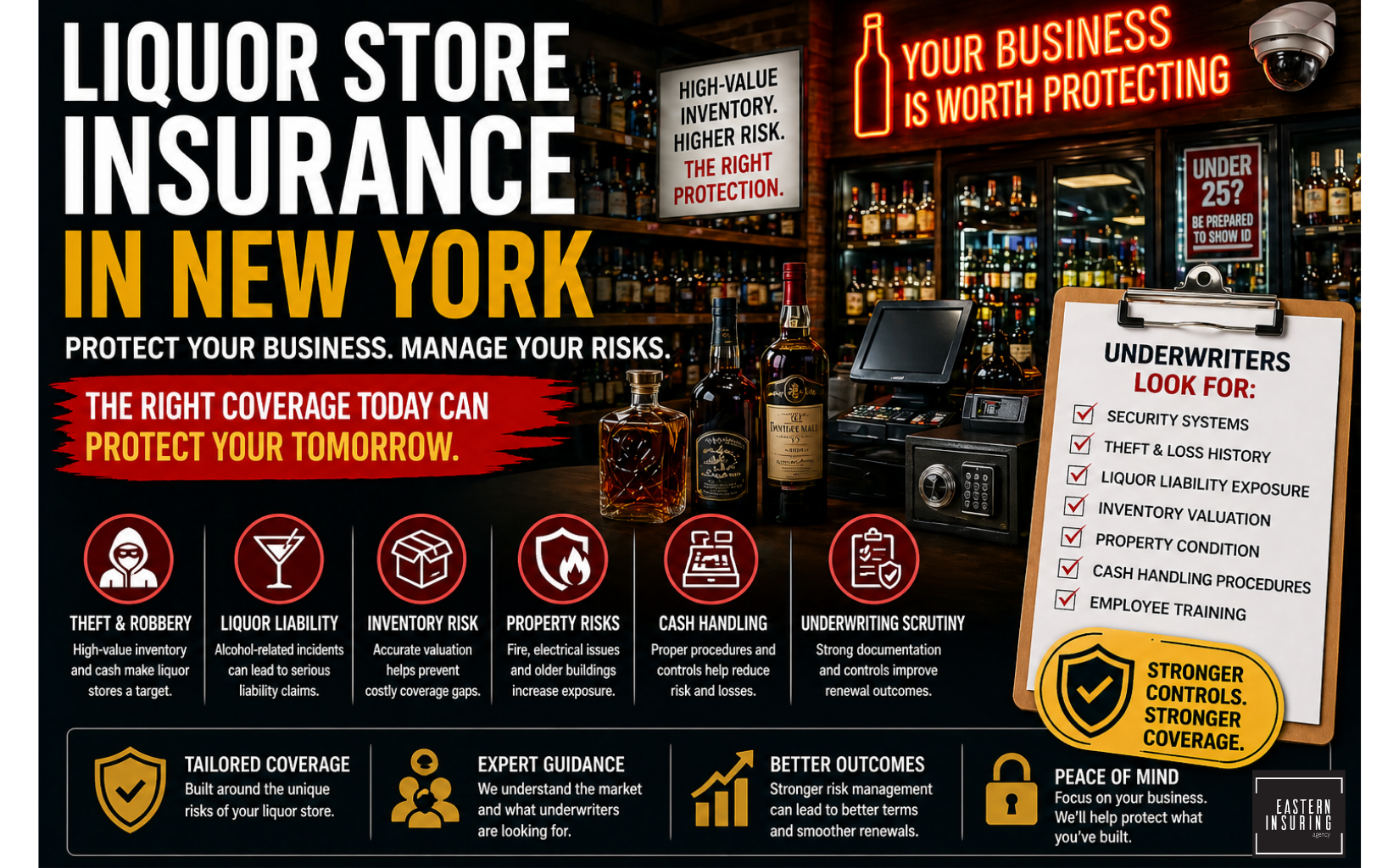
Liquor store insurance in New York explained. Learn about theft, liability, and inventory risks—and how to better protect your business.

Opening your pool in New York? Learn how insurance applies to pools, liability risks, safety requirements, and what to review before the season starts.
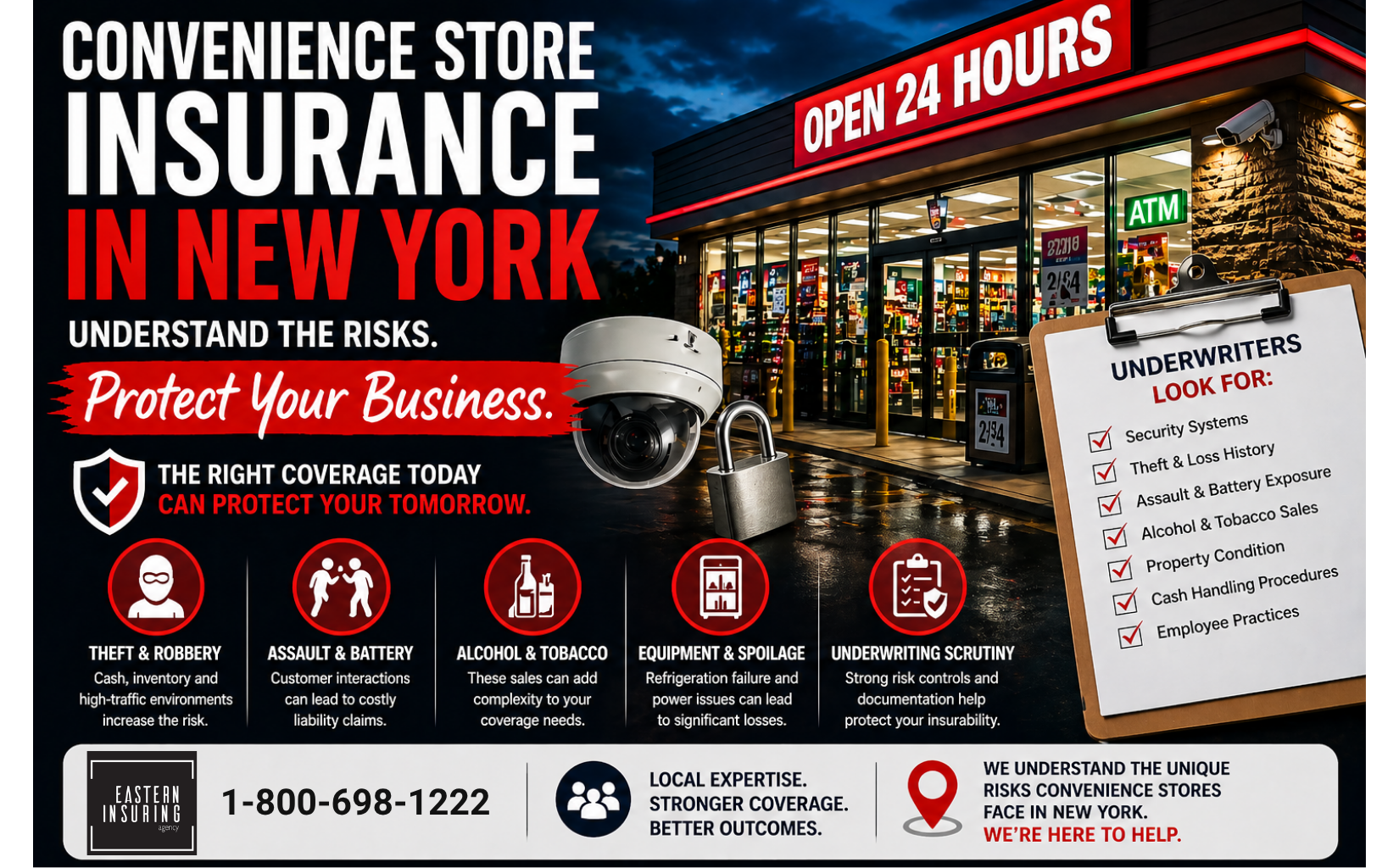
Convenience store insurance in New York explained. Learn about theft, liability, and underwriting risks—and how to better protect your business.

New York storm season is here. Learn what homeowners insurance may not cover—flood, sewer backup, and wind damage—and why a review matters.

Own a boat, motorcycle, or ATV in New York? Learn how insurance coverage works, where gaps may exist, and why a policy review matters.
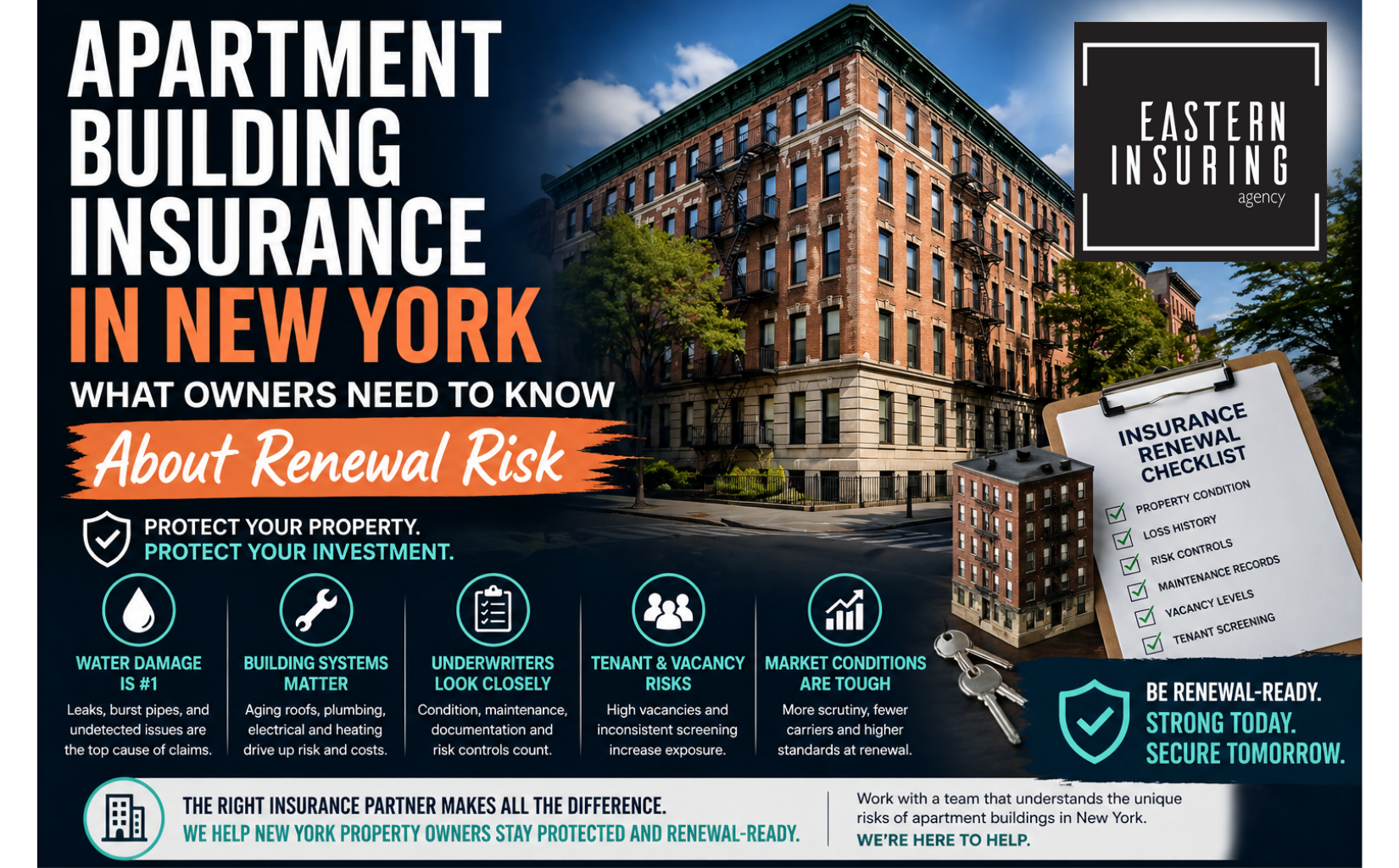
Apartment building insurance in New York explained. Learn what impacts renewals, from water damage to maintenance—and how to better position your property.
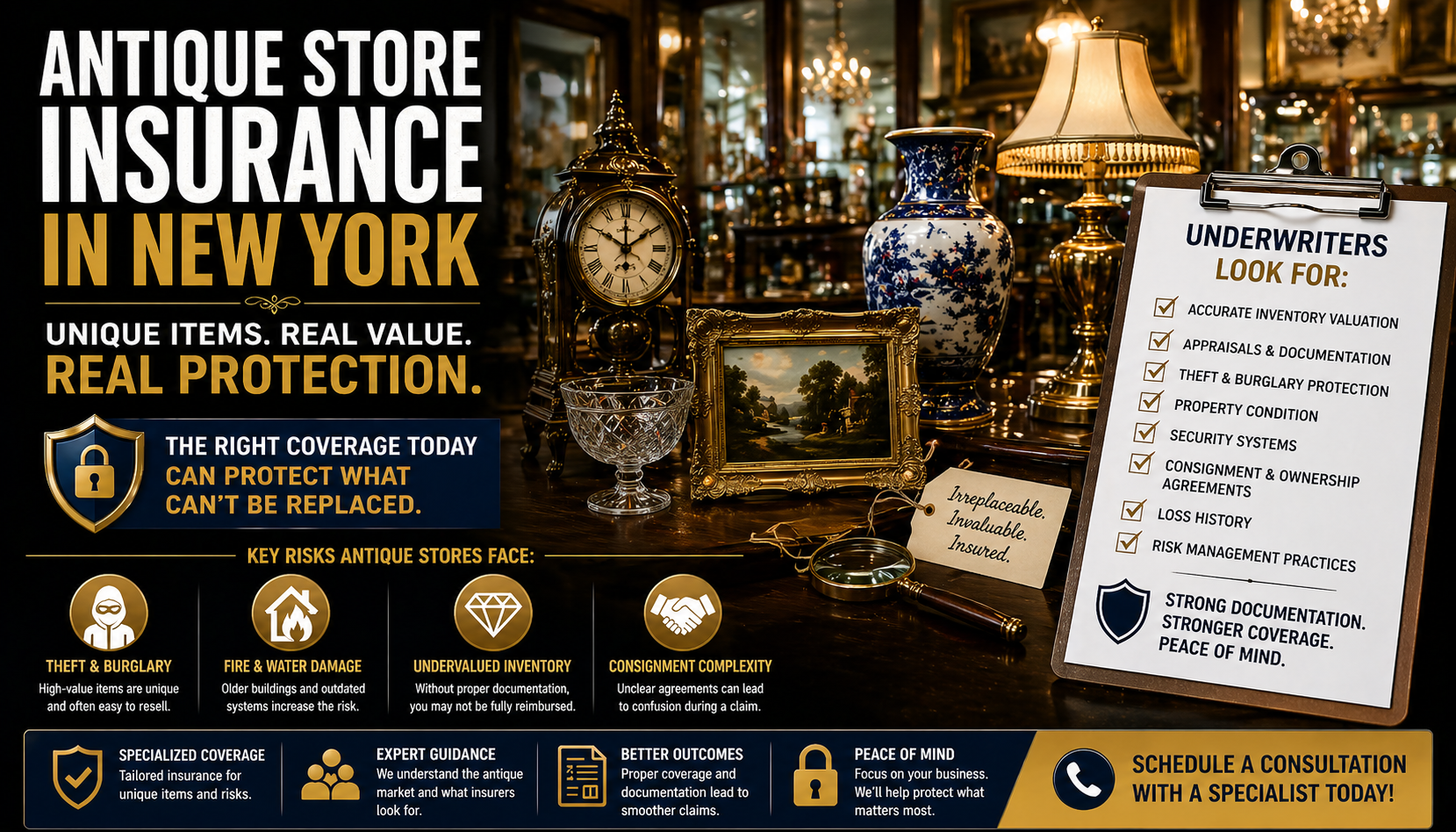
Antique store insurance in New York explained. Learn about valuation, theft risks, and coverage considerations for high-value inventory.

Florist insurance in New York explained. Learn key risks like spoilage, delivery liability, and event exposure—and how to better protect your business.
Planning a home project in New York? Learn how homeowners insurance applies to renovations, liability, and materials—and where gaps may exist.
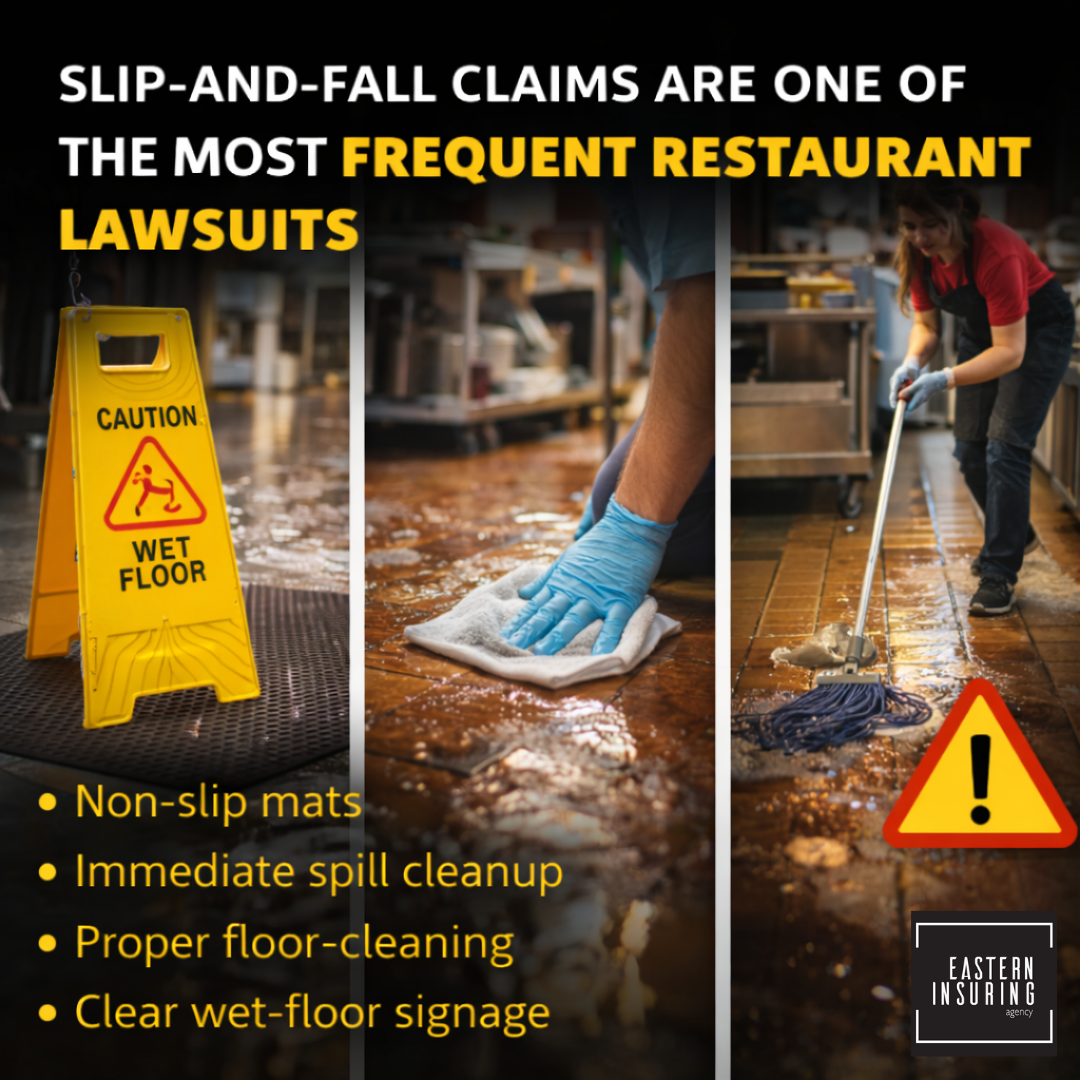
Strong safety programs help restaurants reduce injuries, prevent claims, and lower insurance costs—protecting staff, customers, and profits.