The Insurance Every Artisan Contractor Should Carry
Penny Hendrie
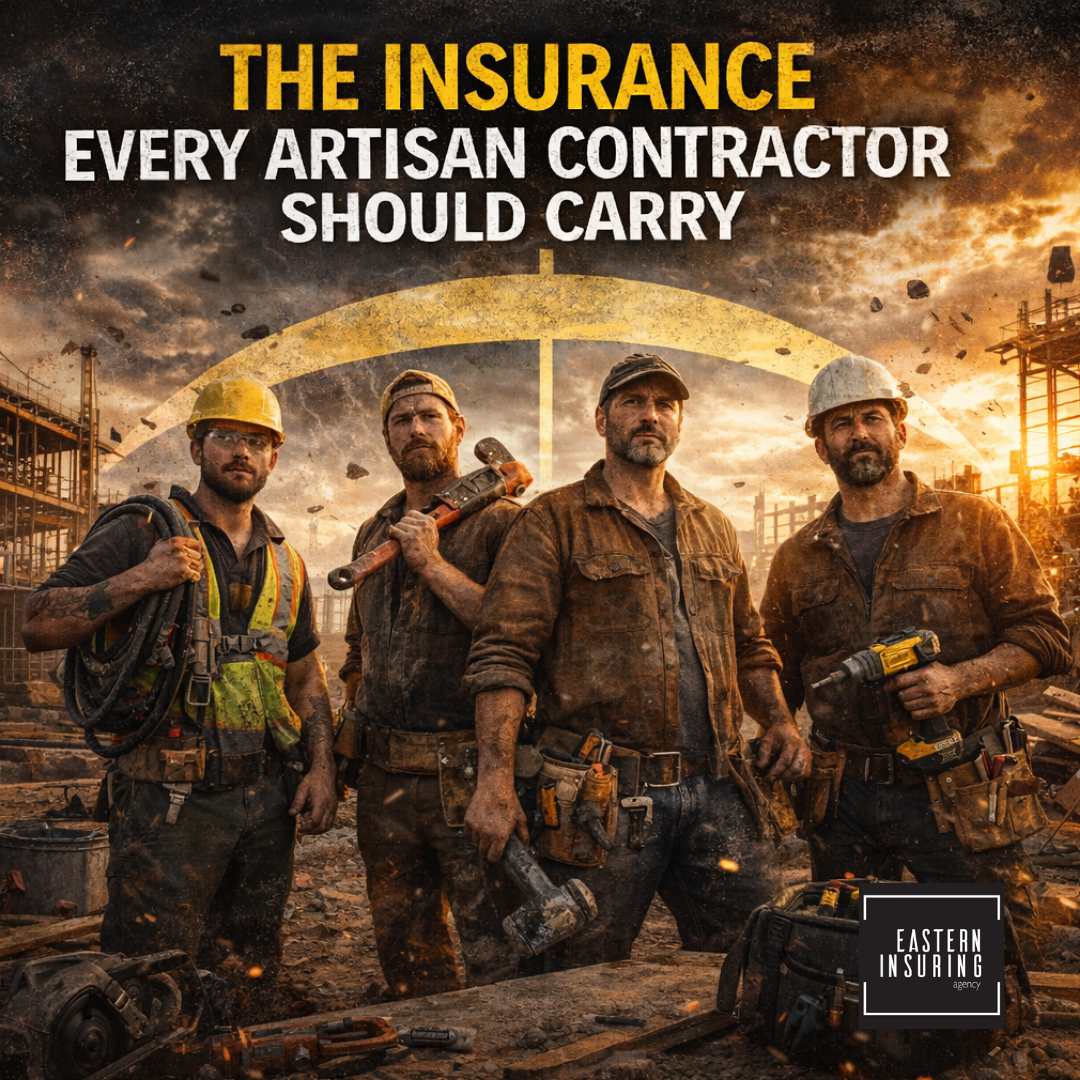
Artisan contractors are the backbone of the construction industry. Electricians wire homes and buildings, plumbers keep water systems functioning, carpenters frame and finish structures, and remodelers transform properties into something new. These skilled trades require expertise, precision, and experience.
But they also come with risk.
A single accident on a jobsite, a mistake during installation, or a stolen trailer of tools can quickly create financial problems for a small contracting business. Even experienced contractors can face unexpected situations that result in property damage, injury, or legal disputes.
That is why having the right insurance coverage is not just a requirement—it is an essential part of protecting the business you’ve worked hard to build.
For most artisan contractors, a strong insurance program is built around several key policies that work together to manage risk.
General Liability Insurance: The Foundation of Protection
The cornerstone of nearly every contractor insurance program is General Liability Insurance.
This policy protects your business if your work causes property damage or bodily injury to someone else. It also helps cover legal defense costs if your business is sued.
For example:
• A plumbing installation fails and causes water damage in a home
• A ladder falls and injures a homeowner or passerby
• Paint overspray damages nearby property
• Flooring installation causes damage to a customer’s existing structure
Even when a contractor does everything correctly, accidents can still happen. General liability coverage helps ensure that a single incident does not jeopardize the future of the business.
Many contractors also need to provide Certificates of Insurance showing their general liability coverage in order to work with general contractors, property owners, or municipalities.
Workers Compensation Insurance: Protecting Your Crew and Your Business
Construction work is physically demanding, and jobsite injuries can occur even with strong safety practices in place.
Workers Compensation Insurance protects both the contractor and their employees if a workplace injury occurs.
If an employee is injured while working, workers compensation can help cover:
• Medical expenses
• Lost wages
• Rehabilitation costs
• Disability benefits
Without workers compensation coverage, a contractor may be personally responsible for these expenses, which can quickly become overwhelming.
In many states, workers compensation is also legally required once a contractor hires employees.
Beyond compliance, maintaining proper coverage shows clients and general contractors that your business operates professionally and responsibly.
Inland Marine Insurance: Protecting Your Tools and Equipment
One of the biggest misconceptions among contractors is assuming their tools are automatically covered under a standard liability policy.
In most cases, they are not.
Contractors rely on expensive tools and equipment to perform their work, and these items frequently travel between jobsites, trucks, trailers, and temporary storage areas.
That’s where Inland Marine Insurance comes in.
This policy is specifically designed to protect mobile tools and equipment, including:
• Power tools
• Portable machinery
• Equipment stored in trucks or trailers
• Jobsite tools used at multiple locations
Tool theft is one of the most common claims in the construction industry. A trailer break-in or jobsite theft can easily result in tens of thousands of dollars in lost equipment.
With inland marine coverage, contractors can replace stolen or damaged tools quickly and keep their projects moving forward.
Commercial Auto Insurance: When Work Vehicles Are Part of the Business
Many artisan contractors depend on vehicles to transport tools, equipment, and employees to jobsites.
However, personal auto policies often exclude business use, which means a personal policy may not respond to an accident that occurs while working.
Commercial Auto Insurance protects vehicles used for business operations.
This coverage can include:
• Liability protection if a driver causes an accident
• Vehicle damage coverage
• Protection for trucks, vans, and trailers used in the business
For contractors who rely on their vehicles every day, commercial auto coverage is an important piece of the insurance program.
Umbrella Liability Insurance: Extra Protection When Claims Get Large
As contractors grow and take on larger projects, their exposure to liability increases.
A standard general liability policy might carry limits such as $1 million per occurrence, but serious claims can exceed that amount.
That is where Umbrella Liability Insurance becomes valuable.
An umbrella policy provides additional protection above the limits of your existing liability policies, including:
• General liability
• Commercial auto liability
• Employers liability
For contractors working on larger residential projects or commercial job sites, umbrella coverage can provide an extra layer of protection that helps safeguard the business against catastrophic claims.
Insurance as a Tool for Growth
Many contractors view insurance simply as a cost of doing business. But the right insurance program can actually help support business growth.
Proper coverage allows contractors to:
• Meet contract insurance requirements
• Work with larger general contractors
• Access higher-value projects
• Demonstrate professionalism to clients
In today’s construction environment, insurance is not just about protecting against risk—it’s also about creating opportunities.
Protecting the Business You’ve Built
Running a contracting business takes years of experience, dedication, and hard work. Protecting that business requires planning for the unexpected.
By combining key policies like General Liability, Workers Compensation, Inland Marine, Commercial Auto, and Umbrella Insurance, artisan contractors can build a strong risk management foundation that protects both their operations and their future.
Working with an insurance advisor who understands the construction industry can make a significant difference. The right guidance ensures that your coverage aligns with the real risks contractors face every day.
Because when it comes to protecting your business, the goal isn’t just having insurance—it’s having the right insurance for the work you do.
Recent posts
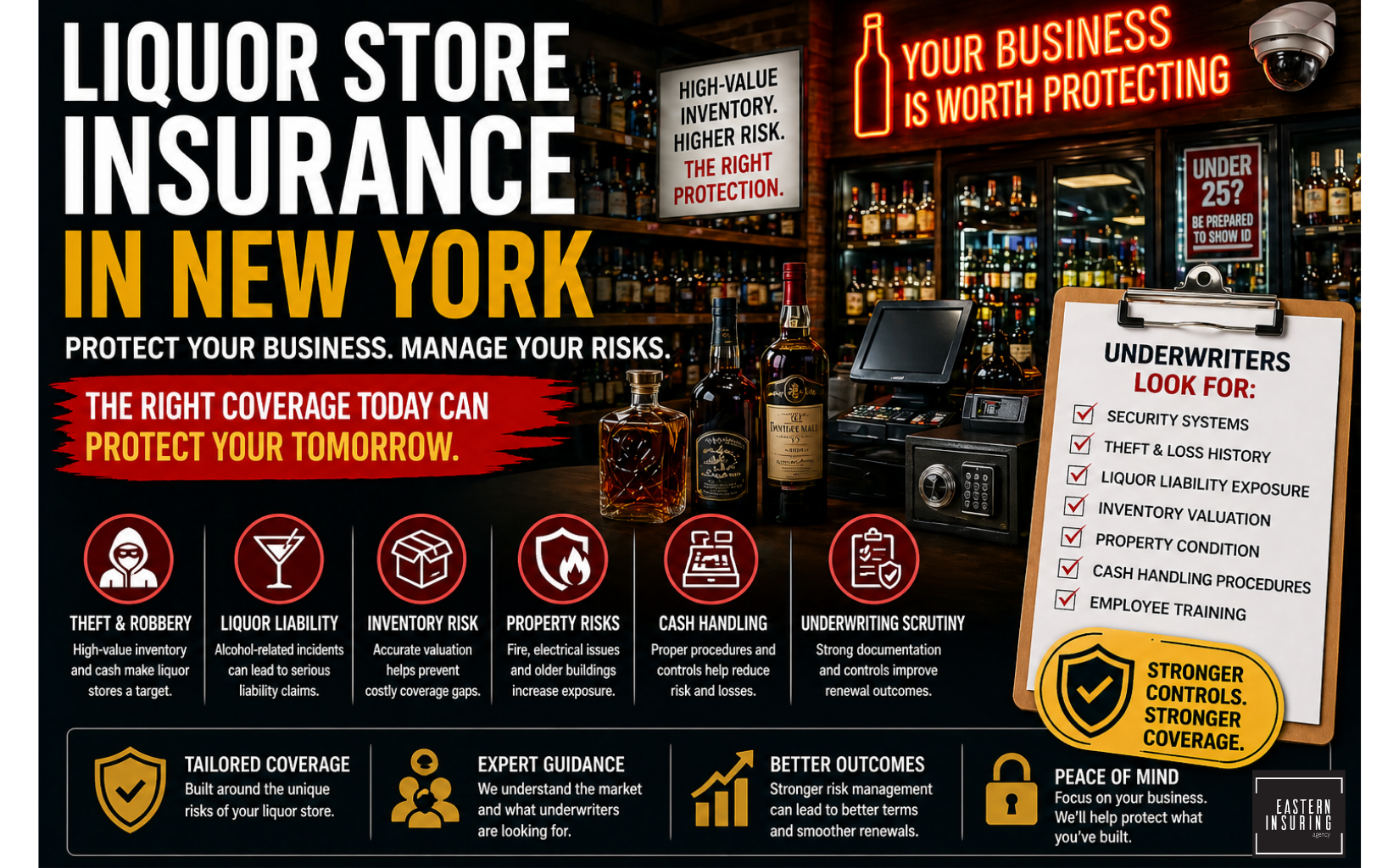
Liquor store insurance in New York explained. Learn about theft, liability, and inventory risks—and how to better protect your business.

Opening your pool in New York? Learn how insurance applies to pools, liability risks, safety requirements, and what to review before the season starts.
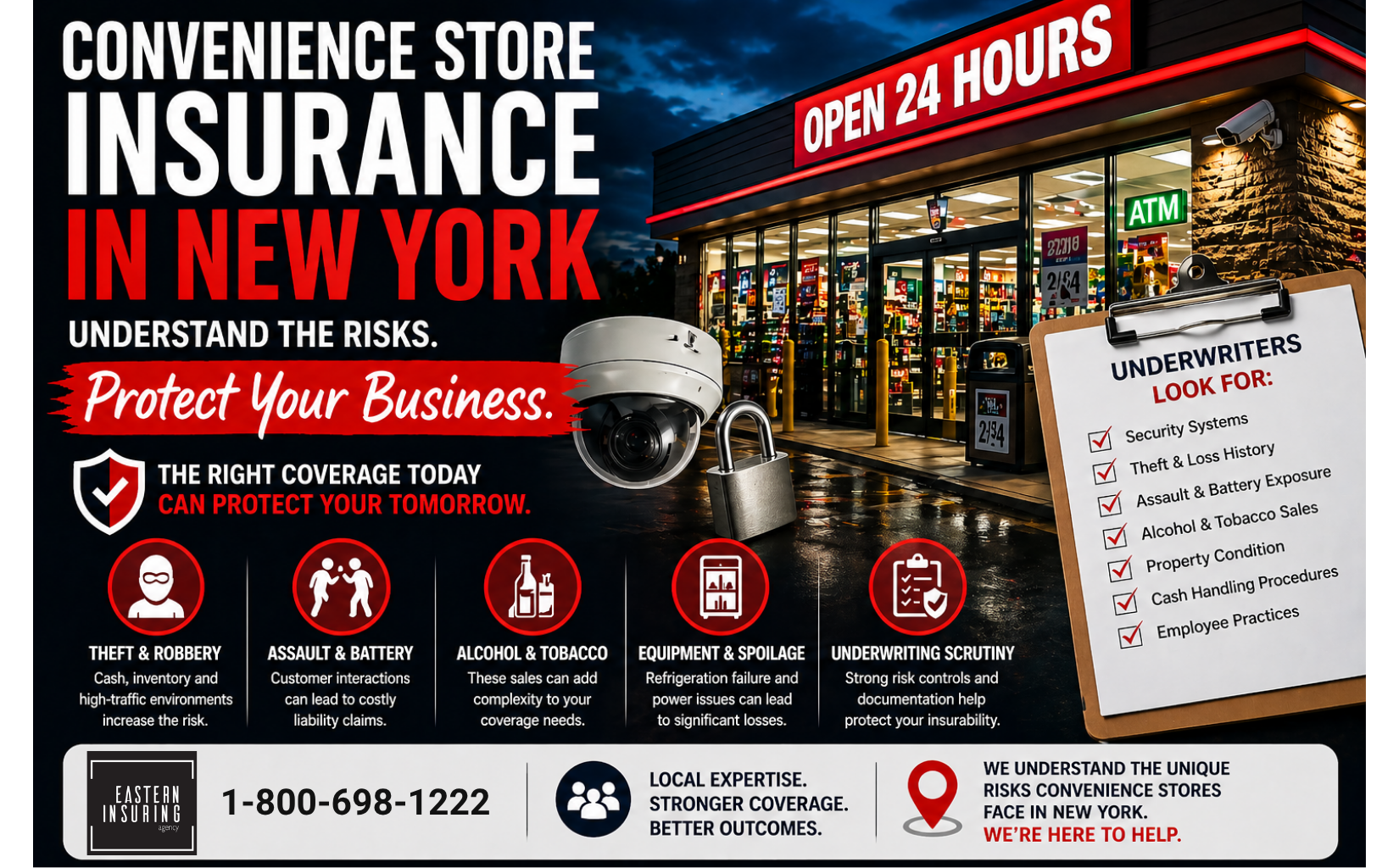
Convenience store insurance in New York explained. Learn about theft, liability, and underwriting risks—and how to better protect your business.

New York storm season is here. Learn what homeowners insurance may not cover—flood, sewer backup, and wind damage—and why a review matters.

Own a boat, motorcycle, or ATV in New York? Learn how insurance coverage works, where gaps may exist, and why a policy review matters.
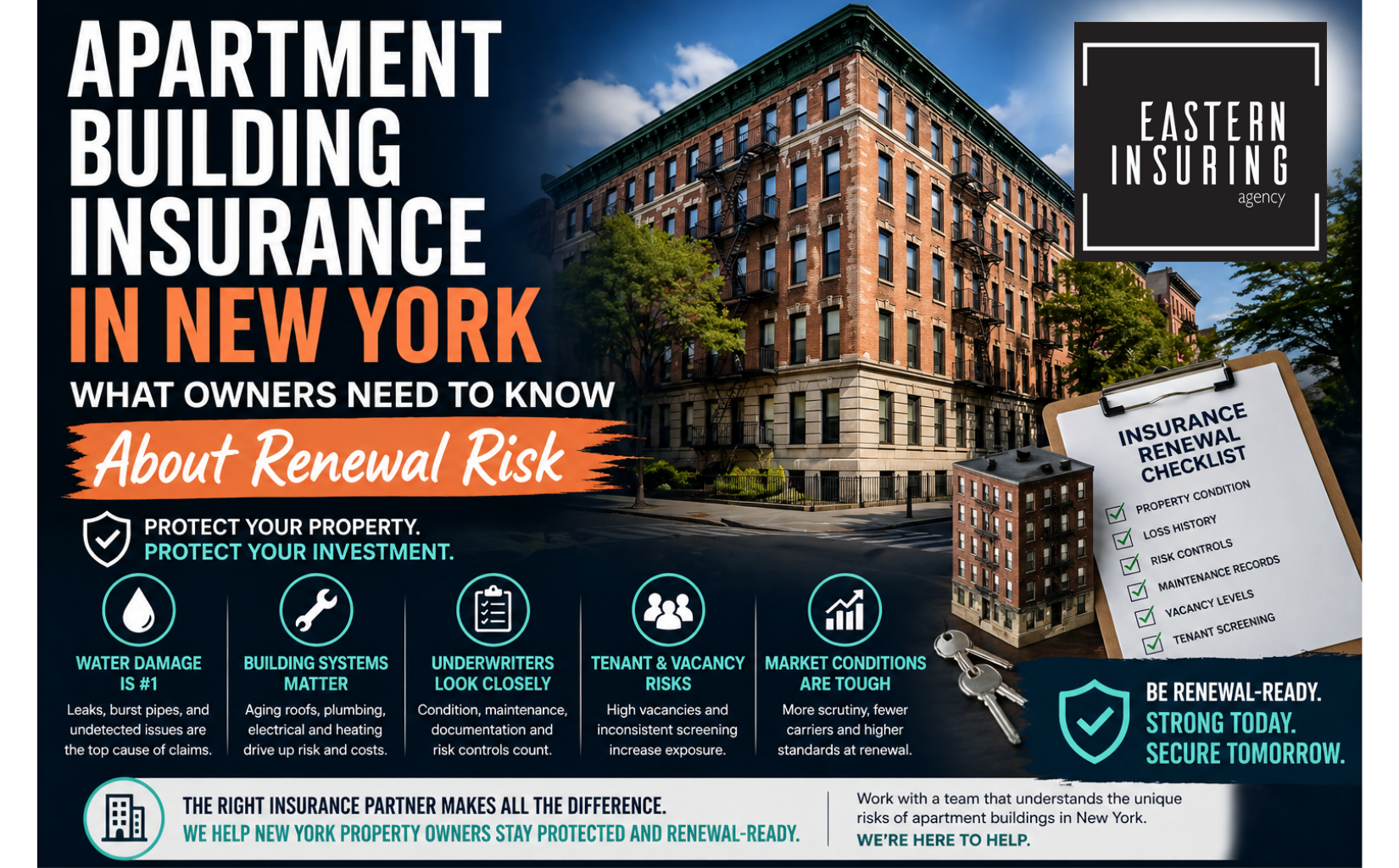
Apartment building insurance in New York explained. Learn what impacts renewals, from water damage to maintenance—and how to better position your property.
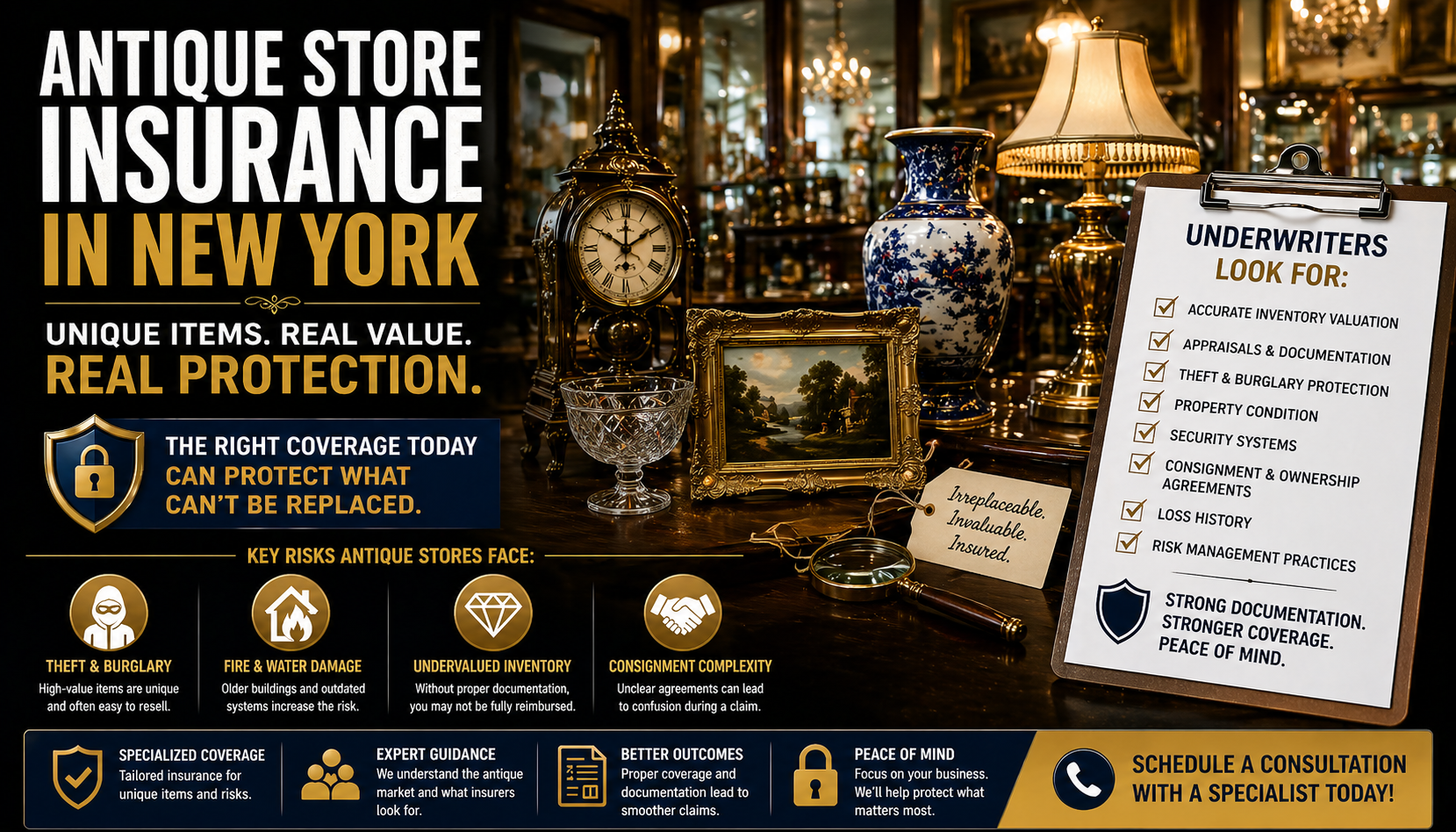
Antique store insurance in New York explained. Learn about valuation, theft risks, and coverage considerations for high-value inventory.

Florist insurance in New York explained. Learn key risks like spoilage, delivery liability, and event exposure—and how to better protect your business.
Planning a home project in New York? Learn how homeowners insurance applies to renovations, liability, and materials—and where gaps may exist.
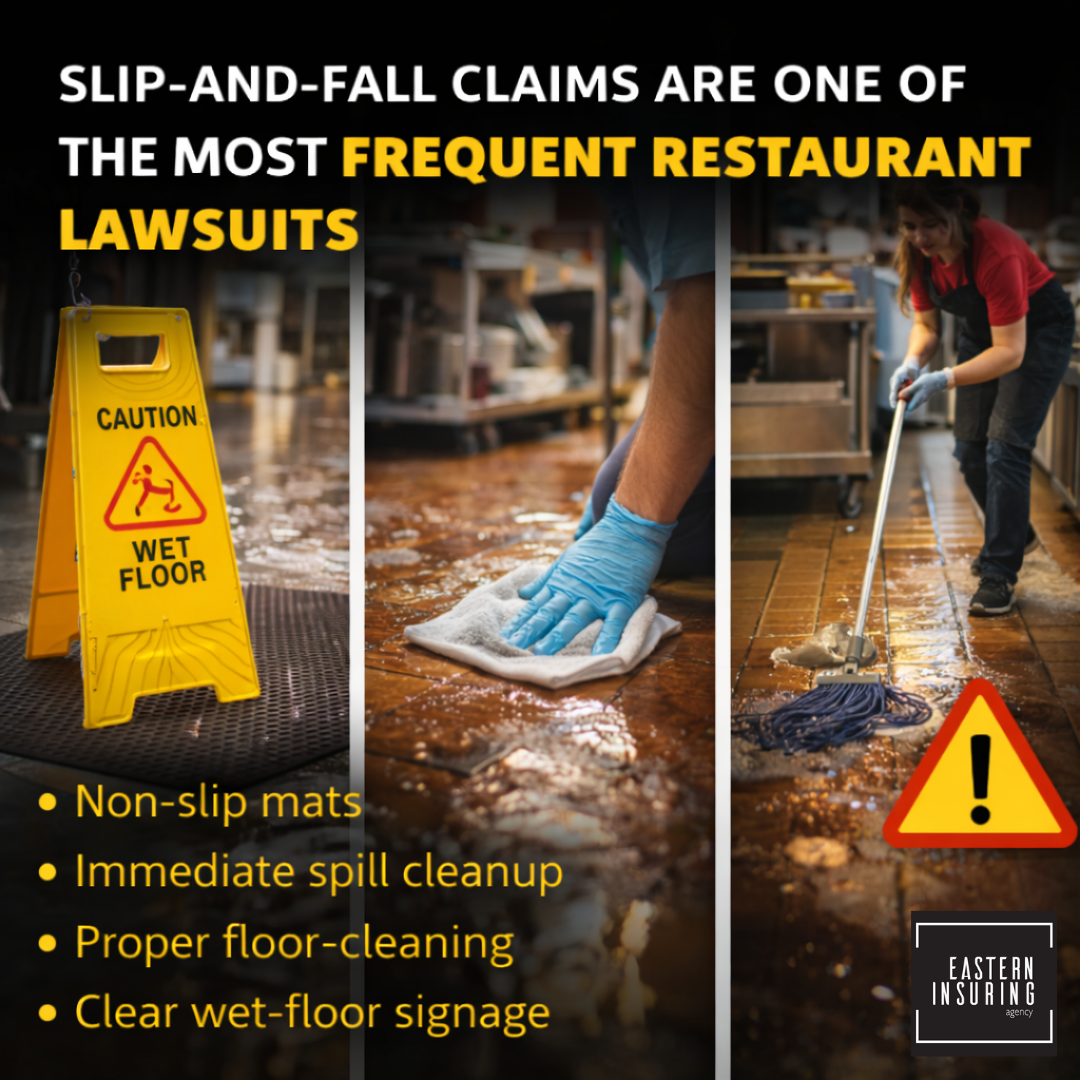
Strong safety programs help restaurants reduce injuries, prevent claims, and lower insurance costs—protecting staff, customers, and profits.