Why Contractor Tools Are Often Not Covered by Insurance
Penny Hendrie
This is a subtitle for your For many artisan contractors, tools are the lifeblood of the business. Electricians depend on specialty meters and power tools, plumbers rely on pipe threading machines and diagnostic equipment, carpenters carry thousands of dollars in saws and finishing tools, and HVAC technicians often transport expensive diagnostic and installation equipment.
Yet one of the most common misunderstandings among contractors is how their tools are actually insured.
Yet one of the most common misunderstandings among contractors is how their tools are actually insured.
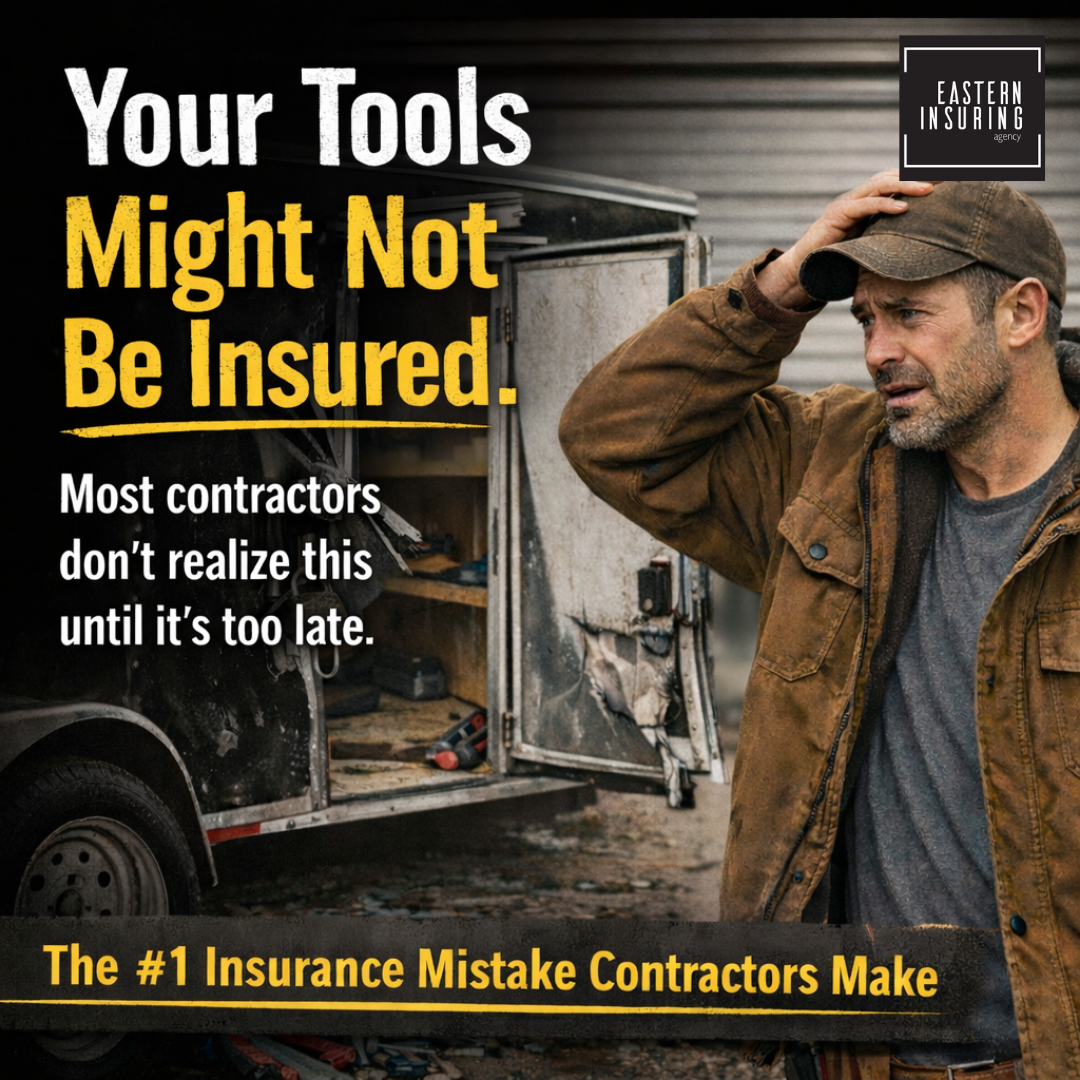
Many contractors assume their General Liability Insurance policy will cover stolen tools or damaged equipment. Unfortunately, that is not how liability insurance works.
Understanding the difference between liability protection and equipment coverage can prevent costly surprises when a loss occurs.
Why General Liability Does Not Cover Your Tools
General Liability Insurance is designed to protect your business if you cause damage to someone else’s property or if someone is injured because of your work.
It is not intended to cover the contractor’s own property.
For example, a general liability policy may respond if:
• A ladder falls and damages a homeowner’s vehicle
• A plumbing installation causes water damage to a customer’s home
• Paint overspray damages neighboring property
• A customer trips over equipment and is injured
In each of these situations, the policy responds because the contractor’s operations caused damage to someone else’s property or bodily injury to another person.
However, if a contractor’s own tools are stolen, lost, or damaged, the general liability policy typically does not apply.
This is where many contractors discover a gap in their insurance protection.
The Unique Risk Contractors Face With Mobile Equipment
Unlike many businesses that keep their equipment in a fixed location, contractors constantly move tools and equipment from one jobsite to another.
Contractor equipment may be stored in:
• Work trucks and vans
• Jobsite trailers
• Temporary storage containers
• Garages or workshops
• Active construction sites
Because tools are frequently transported and stored in temporary locations, they are more vulnerable to theft, accidental damage, and loss.
Construction sites can be particularly attractive targets for thieves, especially overnight when equipment is left unattended.
It is not uncommon for contractors to store $10,000 to $50,000 worth of tools and equipment in a truck or trailer at any given time.
A single break-in can bring operations to a halt.
What Inland Marine Insurance Covers
To address this risk, contractors often rely on a specialized policy called Inland Marine Insurance.
Despite the unusual name, inland marine coverage has nothing to do with boats. Historically, the term evolved to describe insurance designed to protect property that moves from location to location.
For contractors, inland marine insurance protects mobile tools and equipment used in the business.
Coverage can typically include:
• Power tools and specialty tools
• Portable machinery
• Diagnostic equipment
• Contractor-owned equipment used on jobsites
• Tools stored in trucks, trailers, or temporary storage
If tools are stolen, damaged in transit, or destroyed in an accident, inland marine insurance can help cover the cost of repair or replacement.
This allows contractors to get back to work quickly without absorbing the full financial loss.
Why Tool Theft Is So Common in Construction
Tool theft is one of the most frequent insurance claims in the construction industry. Several factors contribute to this problem.
First,
construction sites often contain valuable equipment that can be easily transported and resold. Portable tools, compressors, generators, and specialty equipment can all be attractive targets.
Second,
many tools are left overnight at job sites or inside vehicles where security may be limited.
Finally,
many contractors operate small businesses where tools are purchased gradually over time. Owners may not realize just how valuable their collection of tools has become until they calculate the replacement cost.
When a theft occurs, replacing every item necessary to complete the work can quickly become expensive. Without the right insurance protection, a contractor may have to replace those tools entirely out of pocket.
Protecting Your Tools Is Protecting Your Business
For many artisan contractors, tools represent years of investment and experience. They allow the contractor to perform skilled work efficiently and professionally.
Losing those tools—even temporarily—can delay projects, frustrate clients, and create unexpected financial strain.
By adding Inland Marine Insurance to their insurance program, contractors can ensure their tools and equipment are properly protected wherever they are used.
For growing businesses, this coverage is often one of the most practical and valuable forms of insurance available.
A Smart Step for Contractors
Contractors invest significant time and money building their businesses. Protecting the tools that make that work possible should be part of every contractor’s risk management plan.
Understanding what your current insurance does—and does not—cover is the first step.
When contractors take the time to review their coverage and address potential gaps, they place themselves in a stronger position to keep their projects running smoothly and their businesses moving forward.
Recent posts
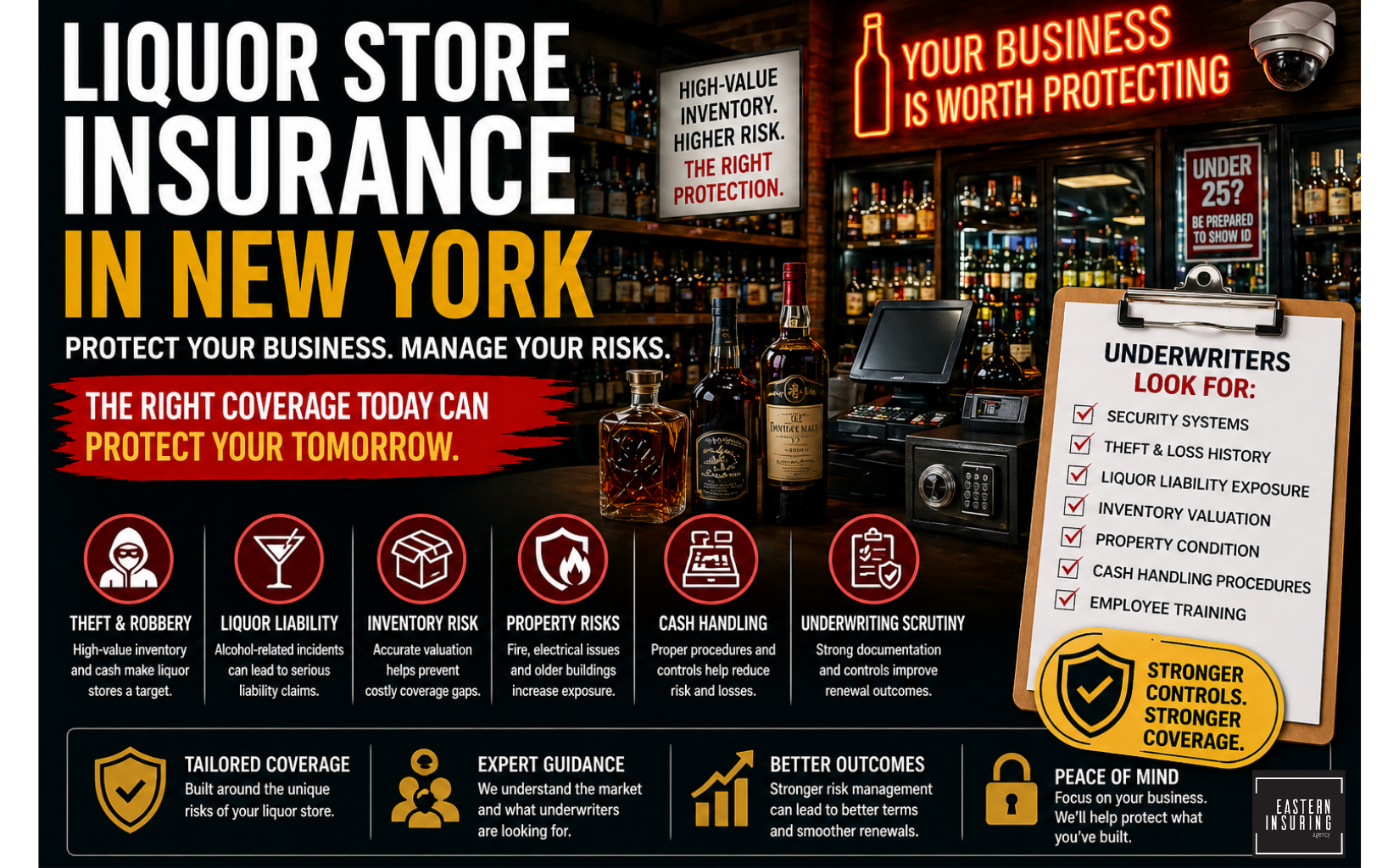
Liquor store insurance in New York explained. Learn about theft, liability, and inventory risks—and how to better protect your business.

Opening your pool in New York? Learn how insurance applies to pools, liability risks, safety requirements, and what to review before the season starts.
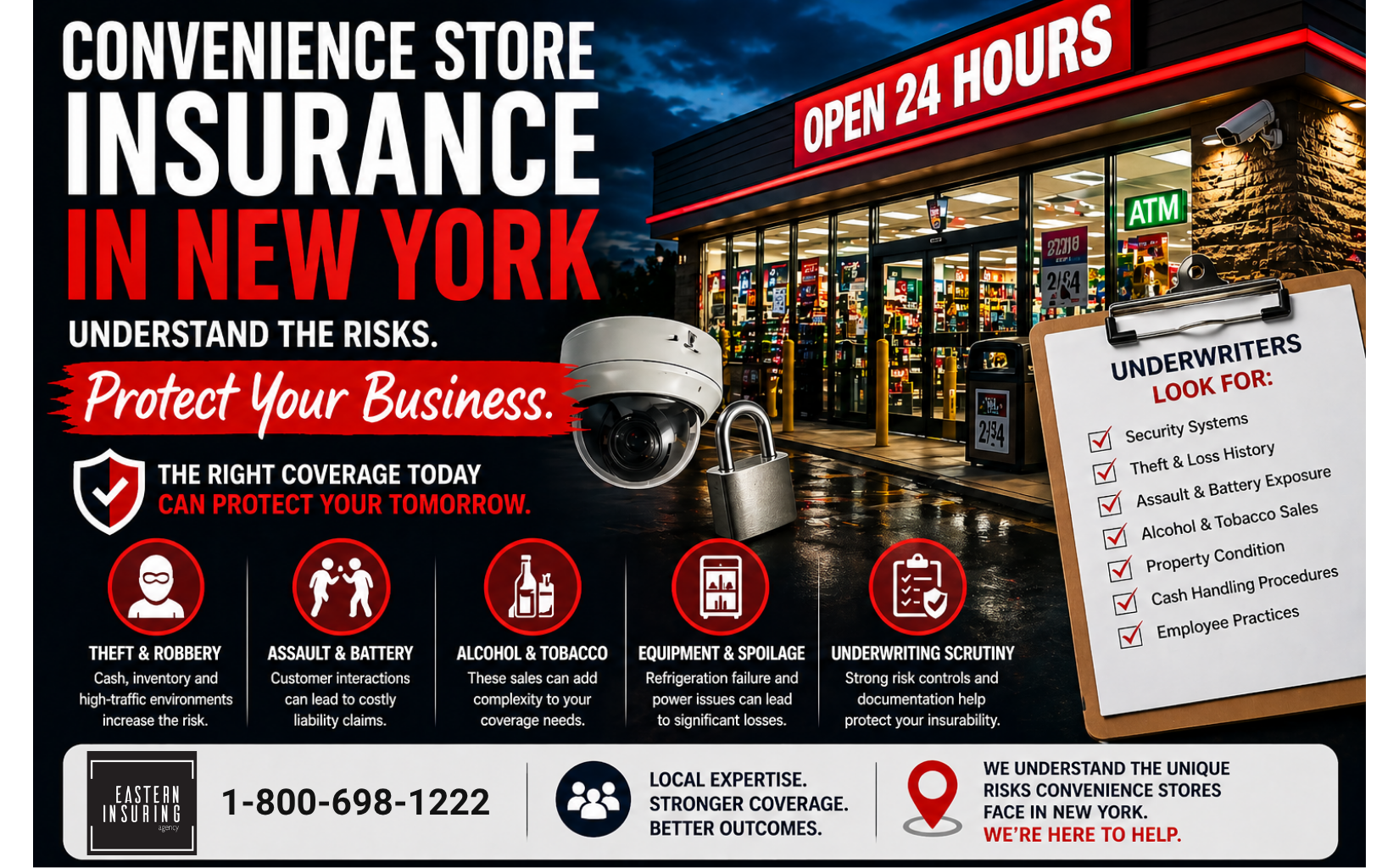
Convenience store insurance in New York explained. Learn about theft, liability, and underwriting risks—and how to better protect your business.

New York storm season is here. Learn what homeowners insurance may not cover—flood, sewer backup, and wind damage—and why a review matters.

Own a boat, motorcycle, or ATV in New York? Learn how insurance coverage works, where gaps may exist, and why a policy review matters.
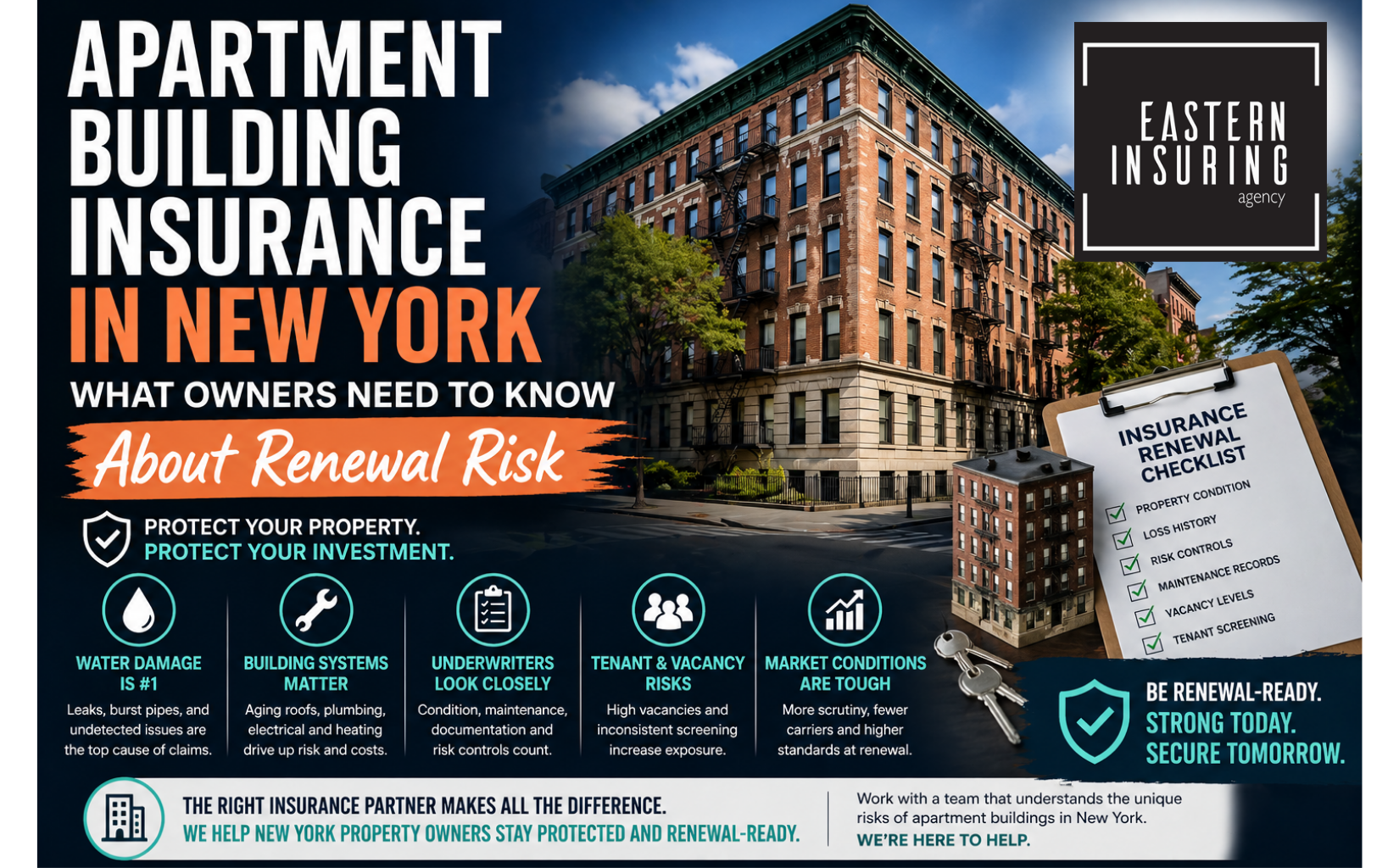
Apartment building insurance in New York explained. Learn what impacts renewals, from water damage to maintenance—and how to better position your property.
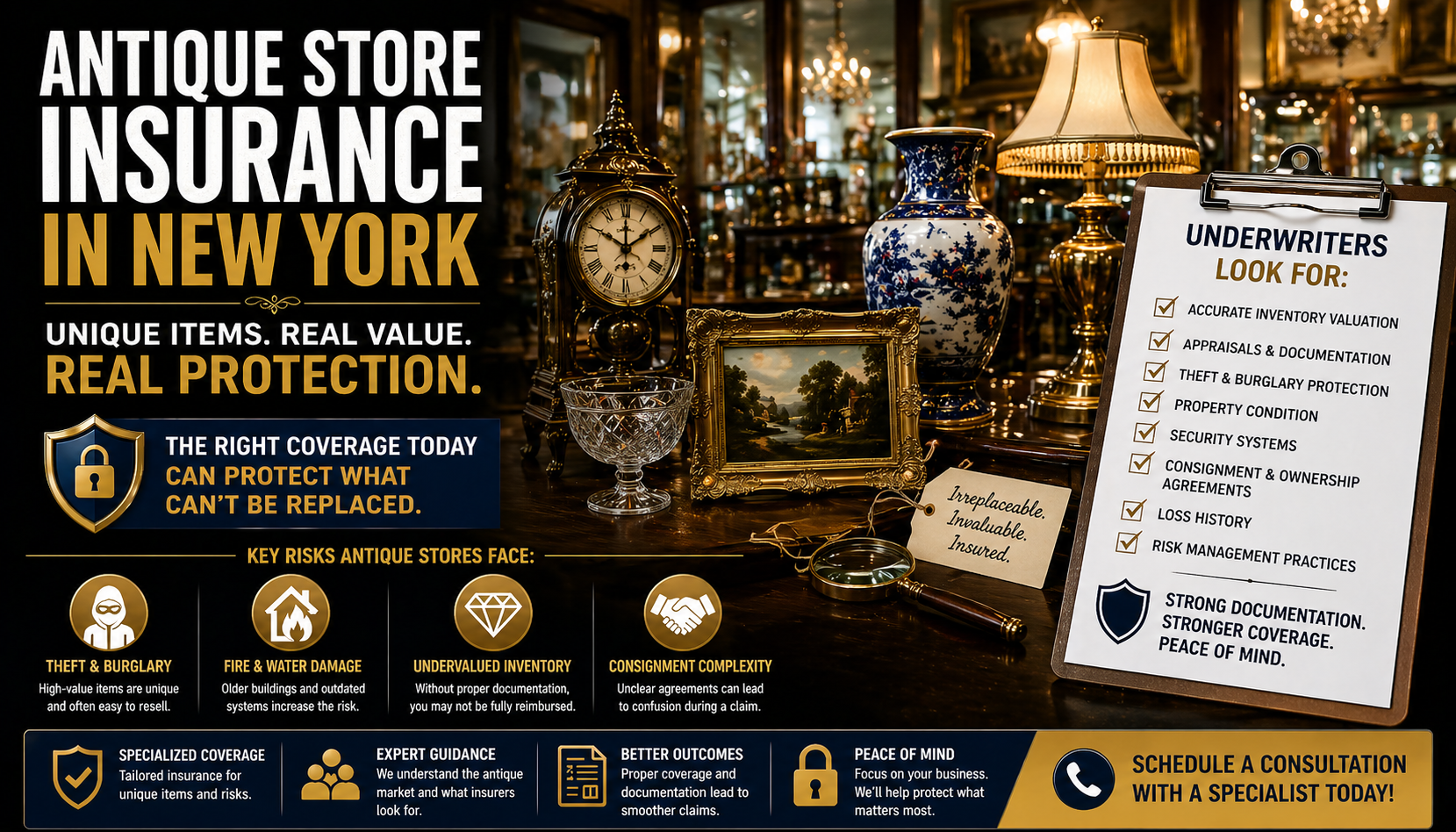
Antique store insurance in New York explained. Learn about valuation, theft risks, and coverage considerations for high-value inventory.

Florist insurance in New York explained. Learn key risks like spoilage, delivery liability, and event exposure—and how to better protect your business.
Planning a home project in New York? Learn how homeowners insurance applies to renovations, liability, and materials—and where gaps may exist.
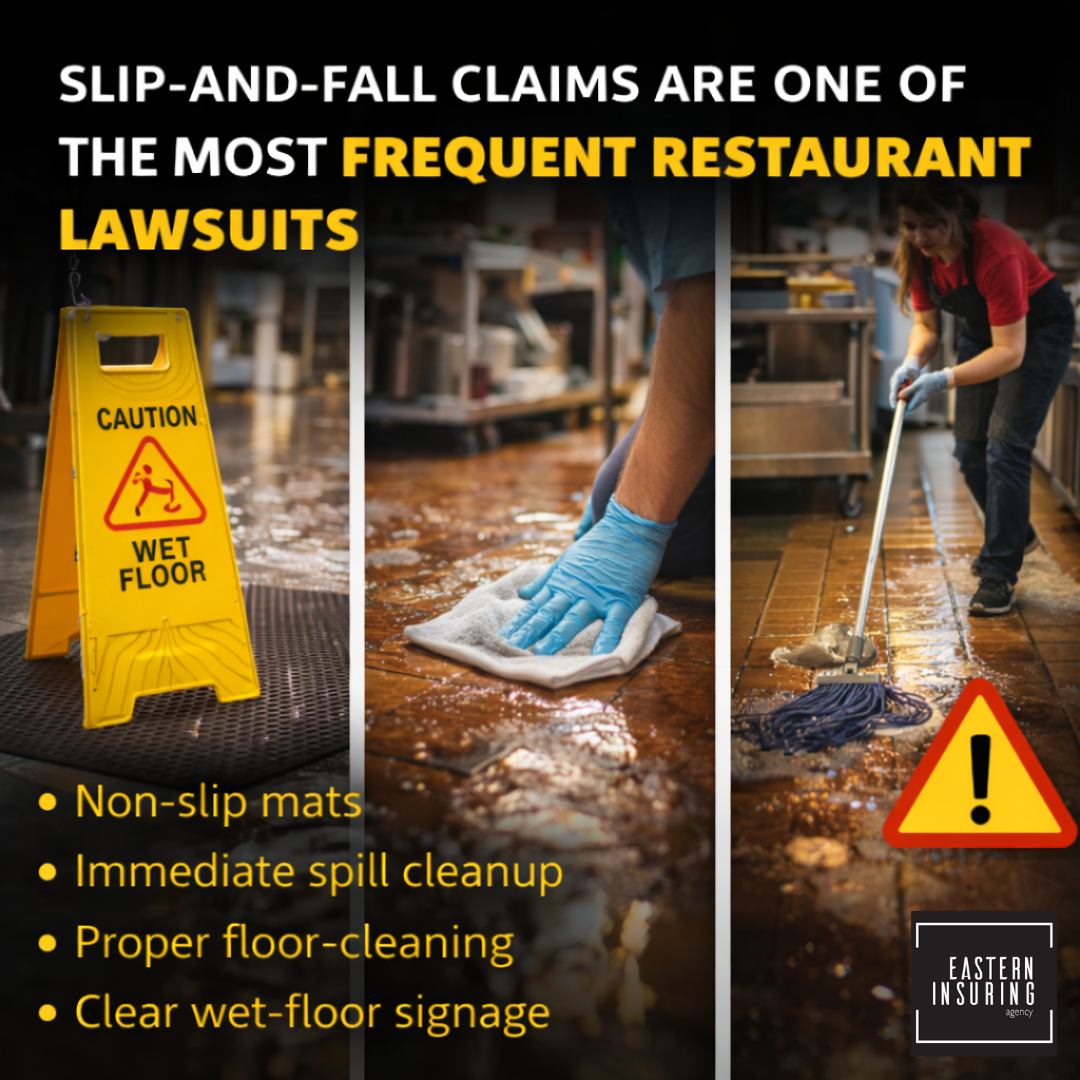
Strong safety programs help restaurants reduce injuries, prevent claims, and lower insurance costs—protecting staff, customers, and profits.