Liquor Store Insurance Coverage Explained for New York Retailers
Penny Hendrie
Liquor stores in New York operate in a unique retail environment that combines high-value inventory, alcohol-related liability exposure, and elevated theft risk. Because of these factors, insurance coverage for liquor stores must be structured differently than a typical retail policy.
Many store owners assume a basic business insurance policy will protect them. In reality, liquor retailers often require a coordinated insurance program that addresses multiple exposures specific to alcohol retailing.
Many store owners assume a basic business insurance policy will protect them. In reality, liquor retailers often require a coordinated insurance program that addresses multiple exposures specific to alcohol retailing.
Understanding how each coverage works is critical to protecting your inventory, your business income, and your long-term financial stability.
Below is a breakdown of the most important insurance coverages for liquor stores operating in New York State.
Commercial Property Insurance
Commercial property insurance protects the physical assets of your liquor store.
For most liquor retailers, this coverage includes:
• Inventory
• Shelving and displays
• Refrigeration units
• POS systems and computers
• Store fixtures and improvements
• Signage and exterior improvements
Because liquor stores often carry large concentrations of inventory value, property coverage must be carefully structured to reflect the true exposure.
Inventory Coverage Considerations
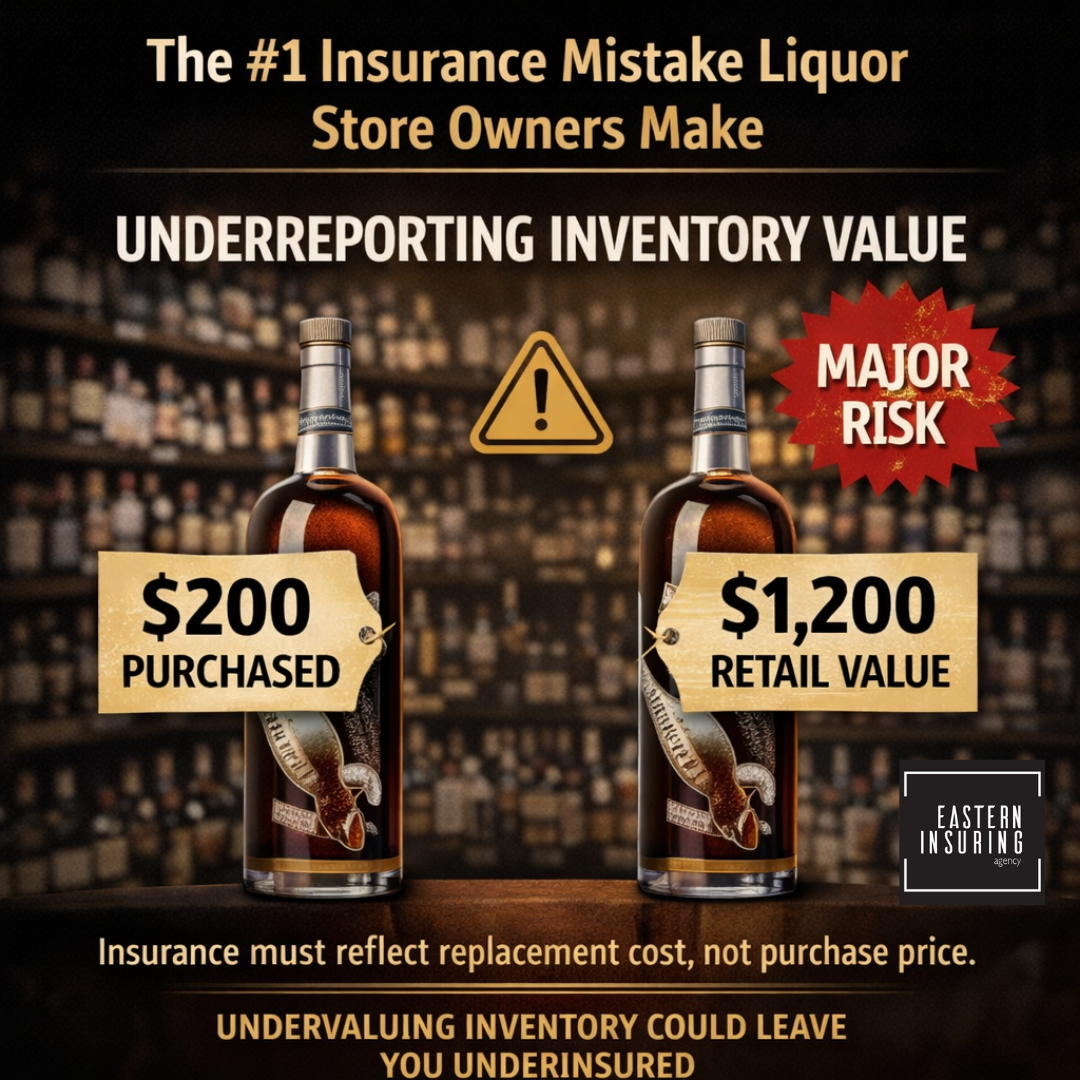
One of the most common mistakes liquor store owners make is underreporting inventory values.
Many owners report the wholesale purchase price,
but insurance coverage often needs to reflect replacement cost or retail value,
depending on the policy structure.
For example:
A limited-release bourbon purchased for $250 wholesale may retail for $900 or more. If inventory values are understated, the store may face coinsurance penalties
or insufficient coverage following a loss.
Carriers may also ask about:
• Seasonal inventory spikes during holidays
• Allocated or rare spirits collections
• Premium wine inventories
• Inventory control systems
Stores specializing in rare spirits or collectible wines may need scheduled coverage for high-value bottles.
Property Risk Factors Underwriters Evaluate
Property underwriters also examine the building itself. Factors that can impact insurability include:
• Older electrical systems (especially knob-and-tube wiring)
• Flat roofs with prior leak history
• Building construction type
• Fire protection systems
• Sprinkler systems
Liquor stores located in older buildings must often demonstrate that building systems have been upgraded and maintained properly.
Liquor Liability Coverage
Even though most liquor stores sell alcohol for off-premise consumption, liquor liability coverage is still extremely important.
Liquor liability protects the business if a claim alleges that alcohol sold by the store contributed to:
• Bodily injury
• Property damage
• Automobile accidents
• Third-party damages
In New York, alcohol-related liability claims can be severe and costly.
Liquor liability exposure may arise from:
• Allegations of selling alcohol to an intoxicated individual
• Failure to properly check identification
• Alcohol served during in-store tastings
• Promotional events involving alcohol consumption
Tastings Create Additional Exposure
Many liquor stores host wine or spirits tastings to drive sales and introduce new products.
While these events can be effective marketing tools, they introduce on-premise alcohol consumption exposure, which insurance carriers evaluate closely.
Underwriters typically want to know:
• Whether IDs are checked before serving alcohol
• Whether staff monitor intoxication
• Whether serving limits are enforced
• Whether trained staff supervise events
Stores conducting tastings should ensure their liquor liability policy specifically covers tasting events.
Crime Insurance
Liquor stores are one of the most theft-prone retail categories, which makes crime coverage essential.
Crime insurance helps protect the business from losses involving:
• Burglary
• Robbery
• Employee dishonesty
• Inventory theft
• Cash theft
• Forgery and fraud
Because premium spirits and wine can be easily resold, liquor stores often experience both organized retail theft and internal theft.
Theft Coverage Limitations
Some insurance policies limit theft coverage unless the store demonstrates proper security controls.
Carriers may require:
• Monitored alarm systems
• Surveillance cameras
• Locked display cabinets for high-value inventory
• Cash handling procedures
Stores with repeated theft claims may see:
• Reduced theft coverage limits
• Higher deductibles
• Mandatory security improvements
Maintaining strong loss prevention practices helps protect both the business and the availability of theft coverage.
Business Income Coverage
Business income coverage is one of the most overlooked but most important protections for liquor stores.
If a covered loss forces the store to close temporarily, this coverage helps replace:
• Lost revenue
• Ongoing operating expenses
• Employee payroll
• Rent and utility payments
For example, if a fire damages the store and repairs take several months, business income coverage helps ensure the business can survive financially during the shutdown.
Liquor stores often rely heavily on consistent customer traffic and seasonal sales periods,
so extended closures can have serious financial consequences.
Extra Expense Coverage
Many policies also include extra expense coverage, which helps pay for temporary solutions to keep the business operating, such as:
• Temporary retail space
• Equipment rentals
• Emergency repairs
These expenses can help reduce the financial impact of a major loss.
General Liability Insurance
General liability insurance protects liquor stores against third-party bodily injury and property damage claims.
Common claims include:
• Slip and fall injuries
• Customer accidents in parking areas
• Property damage caused by store operations
Slip and fall claims are one of the most common liability exposures for retail businesses.
Factors that increase risk include:
• Wet floors during winter months
• Spilled liquids
• Poor lighting
• Cluttered aisles or displays
Even minor injuries can lead to lawsuits, making liability protection essential.
Workers Compensation Insurance
Workers compensation coverage is required for most businesses with employees in New York State.
This coverage protects employees if they are injured while performing their job duties.
For liquor stores, common workplace injuries include:
• Lifting heavy cases of wine or spirits
• Slip and fall accidents in storage areas
• Repetitive motion injuries
• Injuries during deliveries
Workers compensation helps cover:
• Medical expenses
• Lost wages
• Rehabilitation costs
Maintaining proper workplace safety procedures can help reduce workers compensation claims.
Umbrella Liability Coverage
Umbrella liability insurance provides additional protection above the limits of primary liability policies.
For example, if a liquor liability or general liability claim exceeds the primary policy limit, an umbrella policy can provide additional coverage.
Because alcohol-related claims can be severe, many liquor stores benefit from higher liability limits through umbrella coverage.
Umbrella policies are often relatively affordable compared to the additional protection they provide.
Additional Coverages Some Liquor Stores Need
Depending on operations, liquor stores may also consider additional insurance protections.
These may include:
Cyber Liability Coverage
Liquor stores that process credit card payments or store customer information may face cyber risks such as:
• Data breaches
• Payment system hacks
• Ransomware attacks
Cyber liability insurance helps cover investigation costs, legal expenses, and customer notification requirements.
Employment Practices Liability Insurance
Businesses with employees may face claims related to:
• Wrongful termination
• Discrimination
• Harassment
• Wage disputes
Employment practices liability insurance can help protect against these claims.
Commercial Auto Coverage
Liquor stores offering delivery services may require commercial auto insurance if they operate company vehicles.
If employees use their personal vehicles for deliveries, the business may need hired and non-owned auto coverage.
Failure to properly insure delivery operations can create significant coverage gaps.
Final Thoughts
Liquor stores in New York face a combination of risks that require a carefully structured insurance program.
A well-designed insurance plan should include:
• Commercial property coverage
• Liquor liability protection
• Crime insurance
• Business income coverage
• General liability coverage
• Workers compensation
Additional coverages such as umbrella liability, cyber protection, and commercial auto may also be appropriate depending on store operations.
Because liquor store insurance involves specialized underwriting considerations, working with an insurance advisor experienced in New York alcohol retail risks
can help ensure your business is properly protected.
Recent posts
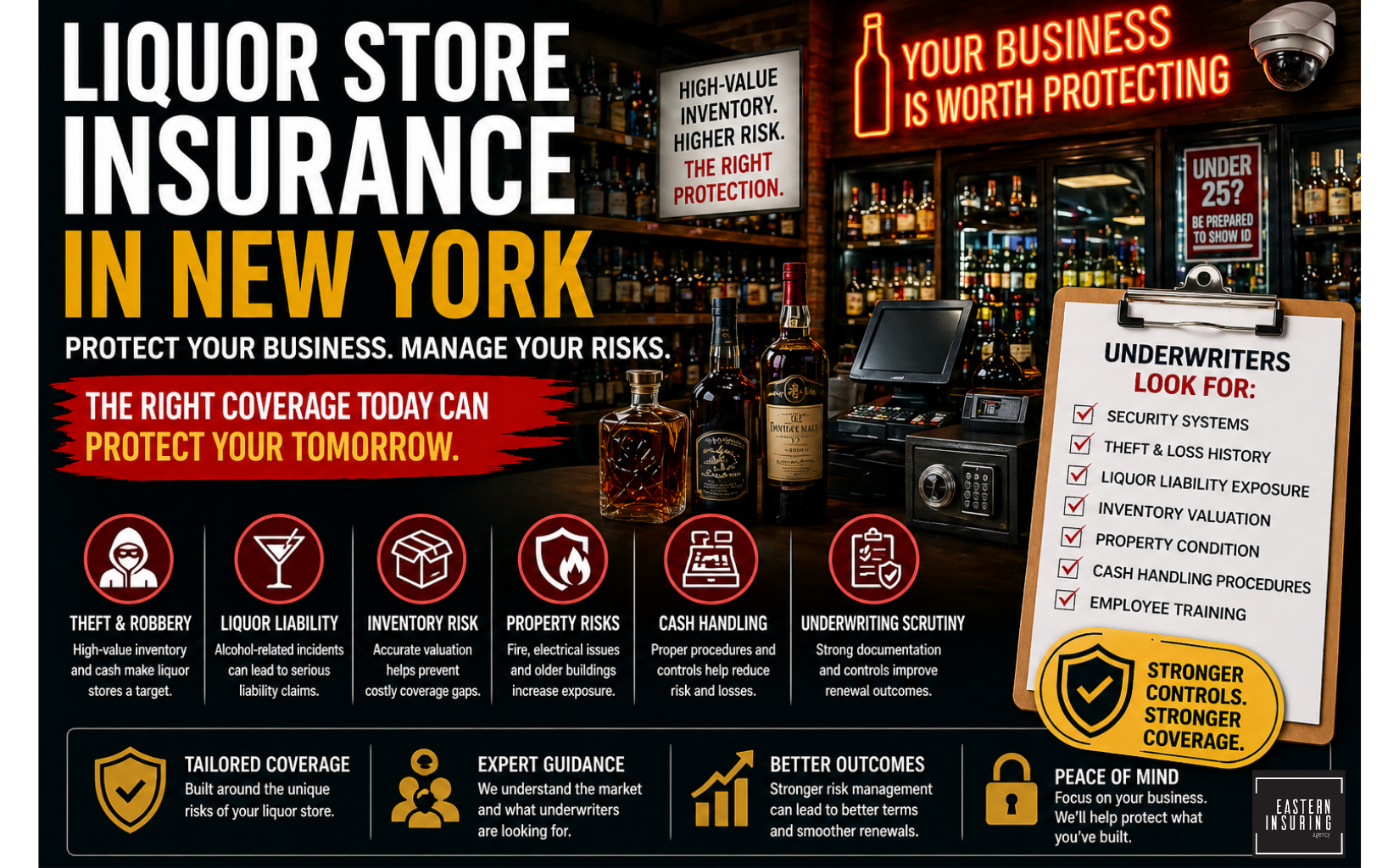
Liquor store insurance in New York explained. Learn about theft, liability, and inventory risks—and how to better protect your business.

Opening your pool in New York? Learn how insurance applies to pools, liability risks, safety requirements, and what to review before the season starts.
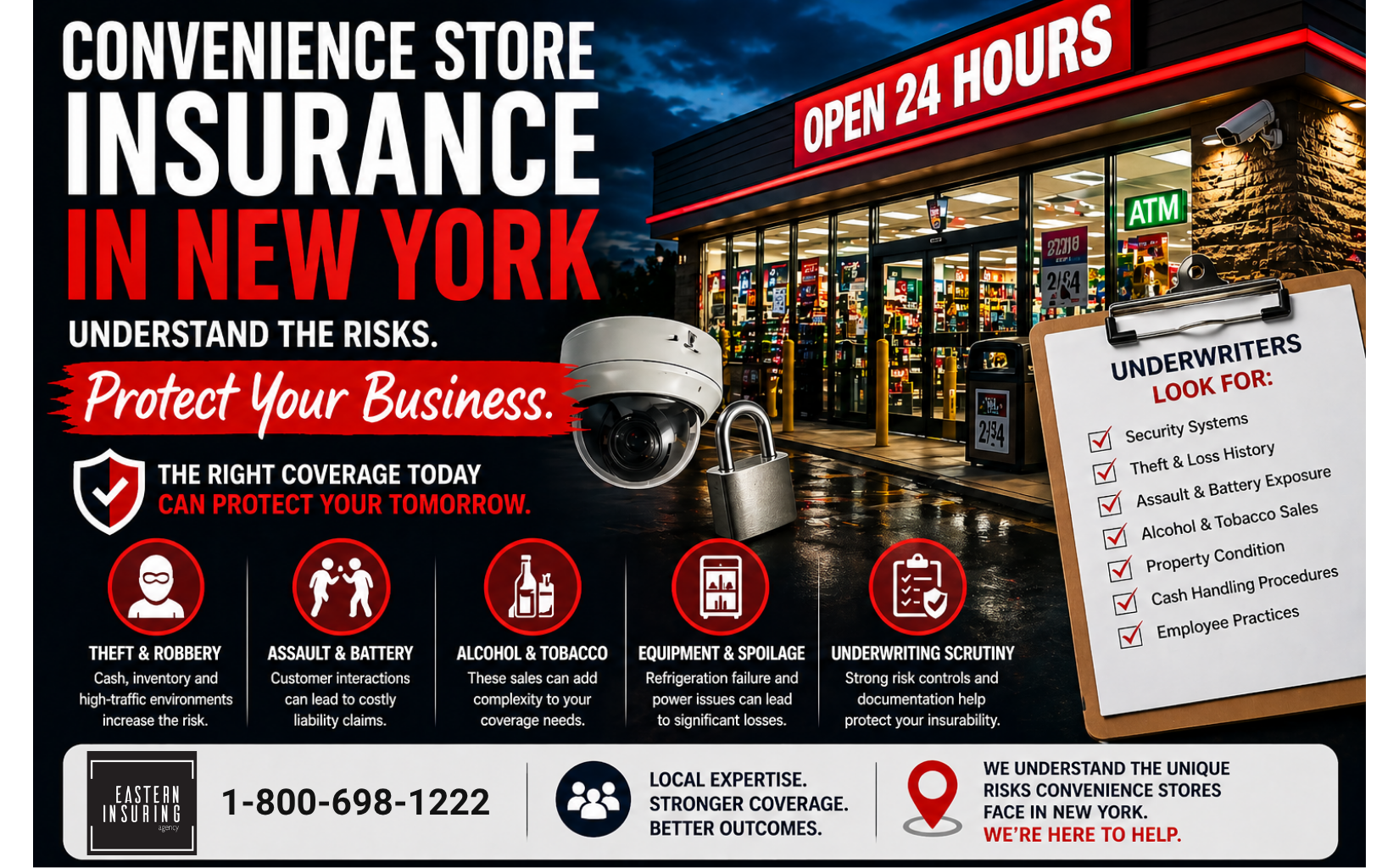
Convenience store insurance in New York explained. Learn about theft, liability, and underwriting risks—and how to better protect your business.

New York storm season is here. Learn what homeowners insurance may not cover—flood, sewer backup, and wind damage—and why a review matters.

Own a boat, motorcycle, or ATV in New York? Learn how insurance coverage works, where gaps may exist, and why a policy review matters.
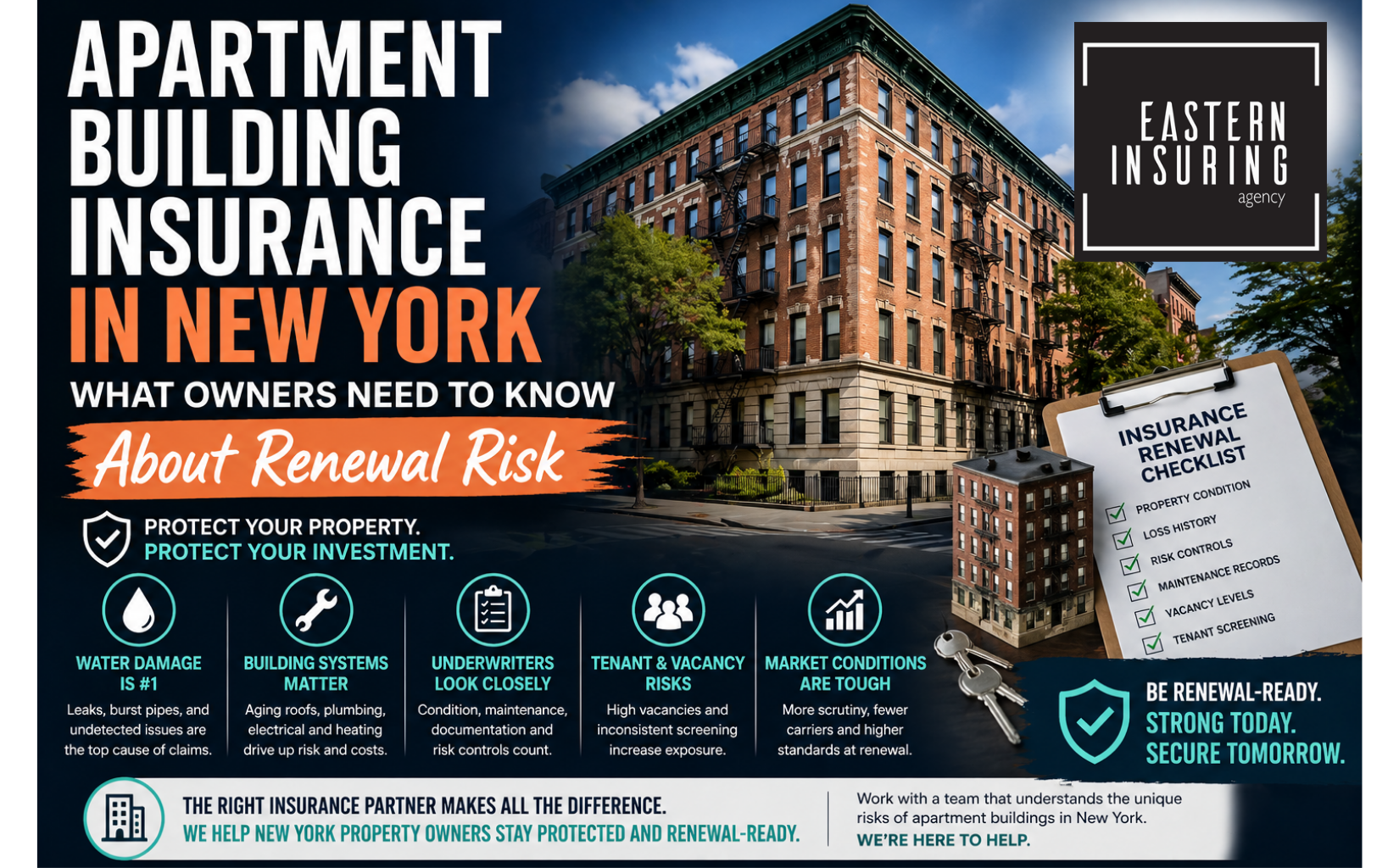
Apartment building insurance in New York explained. Learn what impacts renewals, from water damage to maintenance—and how to better position your property.
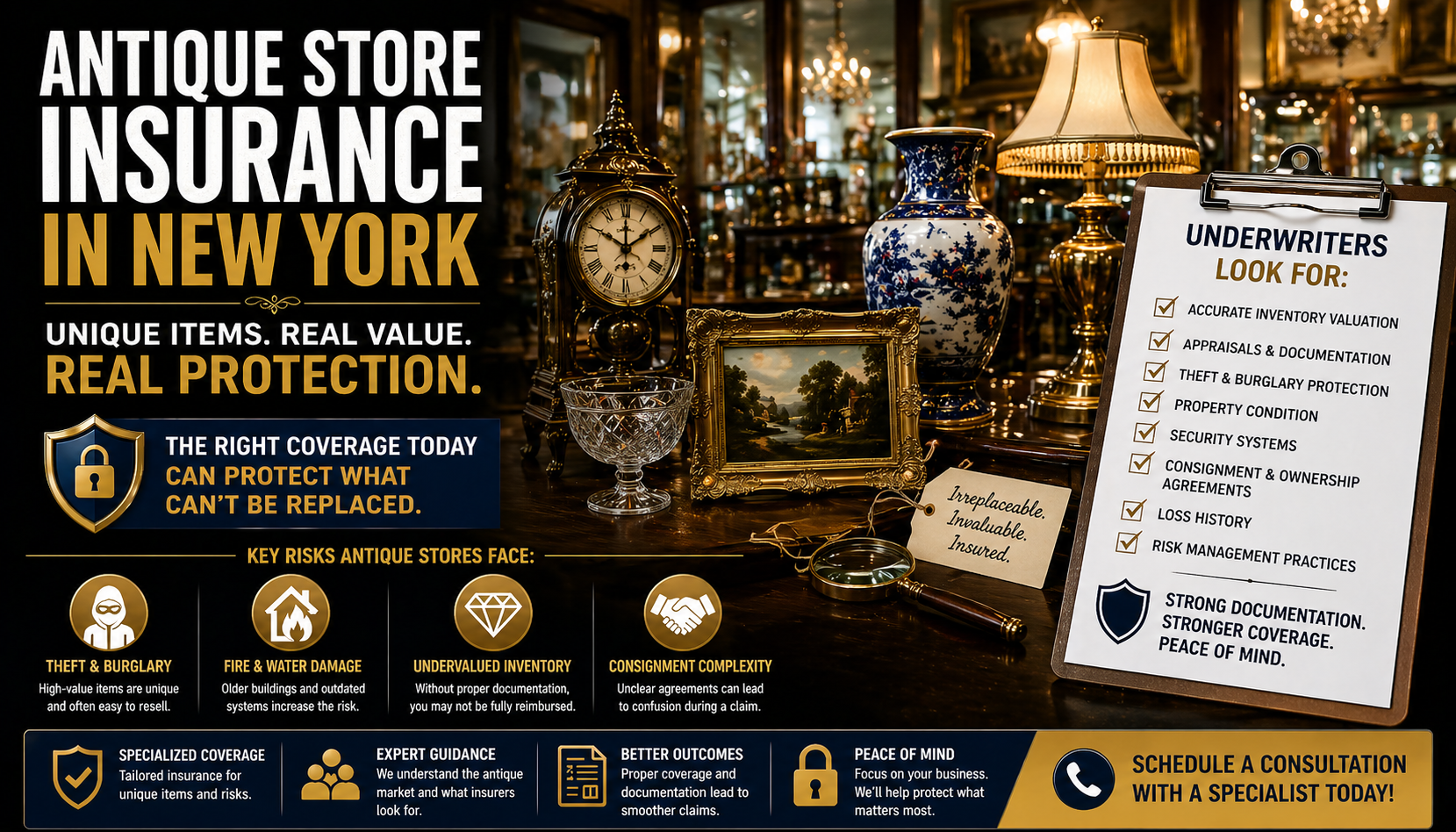
Antique store insurance in New York explained. Learn about valuation, theft risks, and coverage considerations for high-value inventory.

Florist insurance in New York explained. Learn key risks like spoilage, delivery liability, and event exposure—and how to better protect your business.
Planning a home project in New York? Learn how homeowners insurance applies to renovations, liability, and materials—and where gaps may exist.
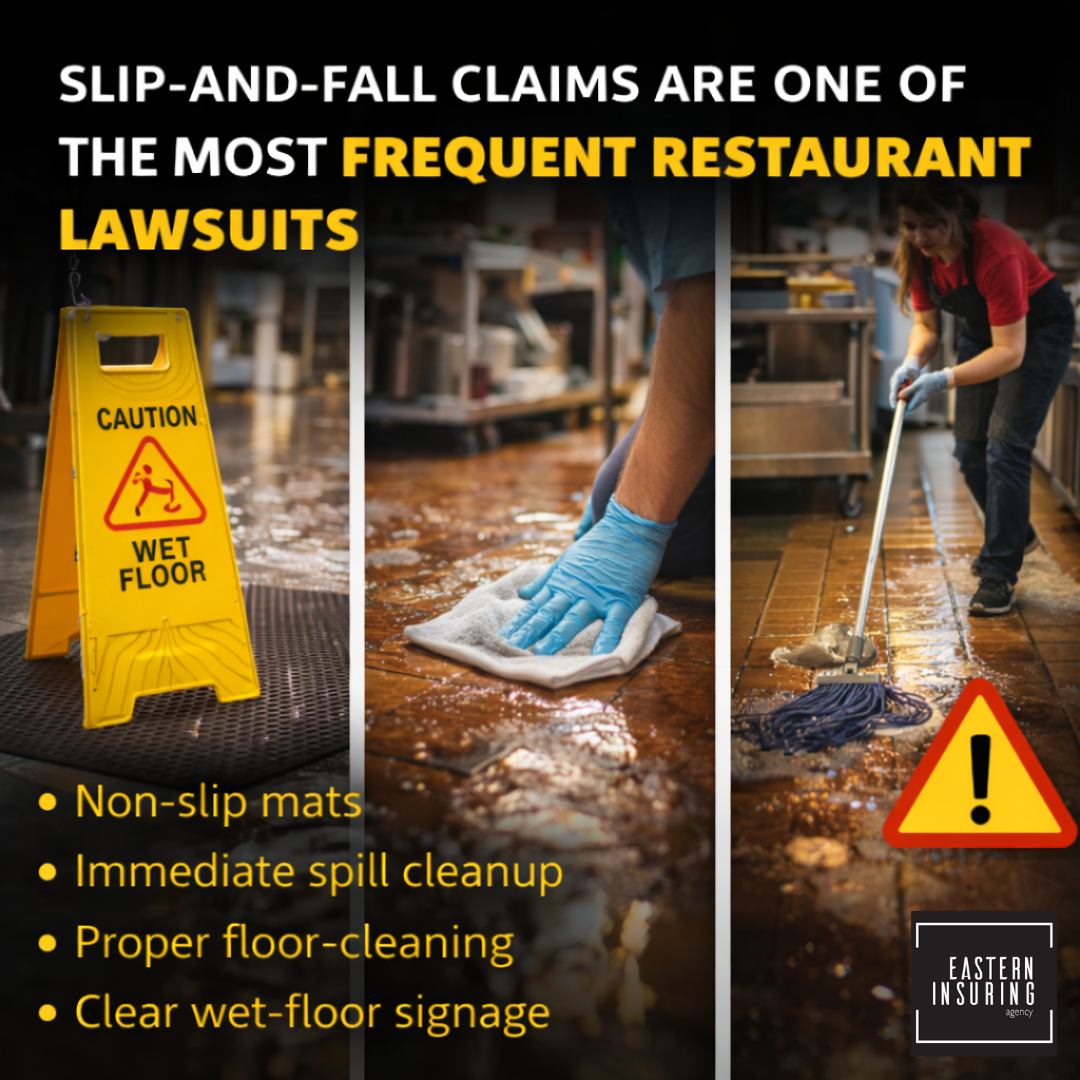
Strong safety programs help restaurants reduce injuries, prevent claims, and lower insurance costs—protecting staff, customers, and profits.