
Pizzeria: Hood & Duct Cleaning: The Fire Risk Pizzerias Can’t Ignore
Penny Hendrie
When most people think of pizzeria risks, they picture delivery drivers and slippery floors.
But do you know what keeps me up at night?
Grease.
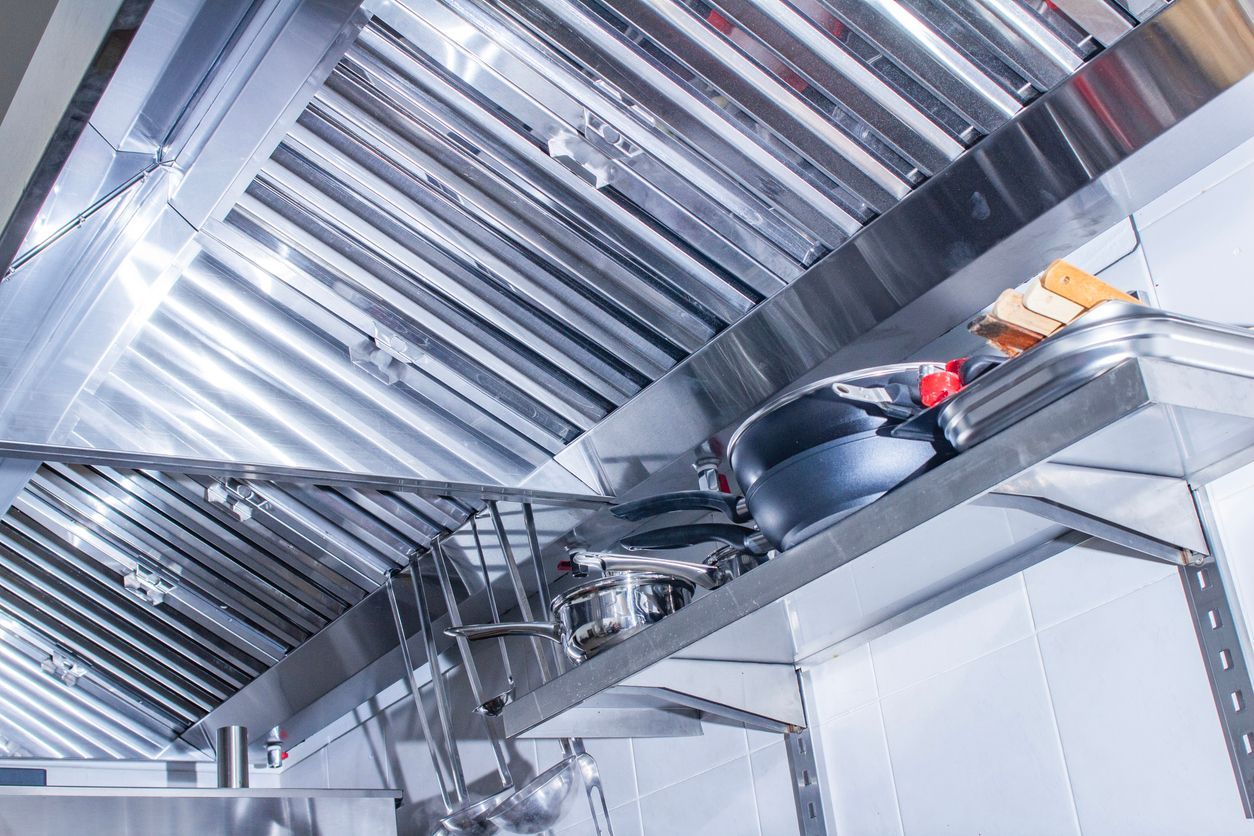
Yep — the grease from your ovens, fryers, and grills builds up in your hoods, vents, and ducts faster than you think. And in New York, it’s one of the leading causes of restaurant fires.
The Fire Hazard You Don’t See
Even if your kitchen looks spotless, your ductwork may be hiding a thick layer of grease and flour dust. It only takes one spark — from an oven, a fryer, or faulty wiring — to ignite it.
- Fires spread quickly through ducts, often reaching the roof.
- Suppression systems can’t do their job if ducts aren’t maintained.
- One fire can shut down your business for months — or for good.
What New York Requires
The FDNY and local fire inspectors are strict on hood and duct maintenance. Here’s what they expect:
- Professional cleaning every 3 months (or more frequently for heavy-use kitchens).
- Inspection logs available on site for inspectors.
- Documented contracts with licensed cleaning vendors.
👉 Translation: “We thought we cleaned it ourselves” isn’t going to cut it.
DIY vs. Professional Cleaning: What’s the Difference?
I hear it all the time: “My guys can clean it better than anyone I hire.” Here’s the problem:
- Staff cleaning: They can wipe down filters, hoods, and visible grease.
- Professional cleaning: Licensed contractors use high-powered equipment and degreasers to clean inside ducts and exhaust systems — the hidden areas where fires actually start.
Inspectors (and your insurance company) don’t accept “we did it ourselves.” They want to see proof from a licensed vendor.
Real-World Example
One Brooklyn pizzeria thought they were covered. The staff wiped down the hoods every night, and everything looked clean. But grease inside the ducts ignited, spreading fire to the roof.
Their insurance company denied the claim — no professional contract, no cleaning logs. The owner was left with over $300,000 in damages and a business closed for nearly a year.
What Does It Cost?
Most pizzerias can set up a professional hood & duct cleaning contract for around $1,000–$2,000 a year depending on size and frequency.
That’s less than one month’s rent in most of New York… and a fraction of the cost of one fire claim, one fine, or one forced closure.
Why a Maintenance Contract Matters
- Proof of compliance: Shows inspectors and insurers you’re doing it right.
- No forgetting: Automatic scheduling keeps you compliant year-round.
- Claim protection: If a fire does happen, you can prove you met your obligations.
- Insurance renewals: Many carriers look for contracts when deciding whether to renew food-service policies.
Penny’s Pizzeria Insurance Pro Tip
Bundle your hood and duct cleaning with fire suppression system maintenance. They work together, and often the same vendor can service both. Always keep logs handy — they’re worth their weight in mozzarella when inspectors or adjusters come calling.
Frequently Asked Questions
Can my employees just clean the hoods themselves?
They can handle surface wipe-downs, but duct cleaning must be done by a licensed pro to meet code and insurance requirements.
What if my pizza shop doesn’t fry food, just ovens?
You still have exposure — ovens release oils, cheese vapor, and flour dust that stick to ducts.
Will insurance cover fire damage if I don’t have a contract?
Maybe. But carriers can reduce or deny claims if they find you weren’t compliant with fire safety standards.
Final Slice
You focus on perfecting your pies — let the professionals handle your ducts. The cost of a contract is small. The cost of skipping it? Potentially your entire business.
Protect your ovens, your shop, and your people: get a hood and duct maintenance contract and keep your insurance strong.
Schedule a pizza insurance review with me today.
I’ll walk through your fire risks while you walk me through your best slice.
Recent posts
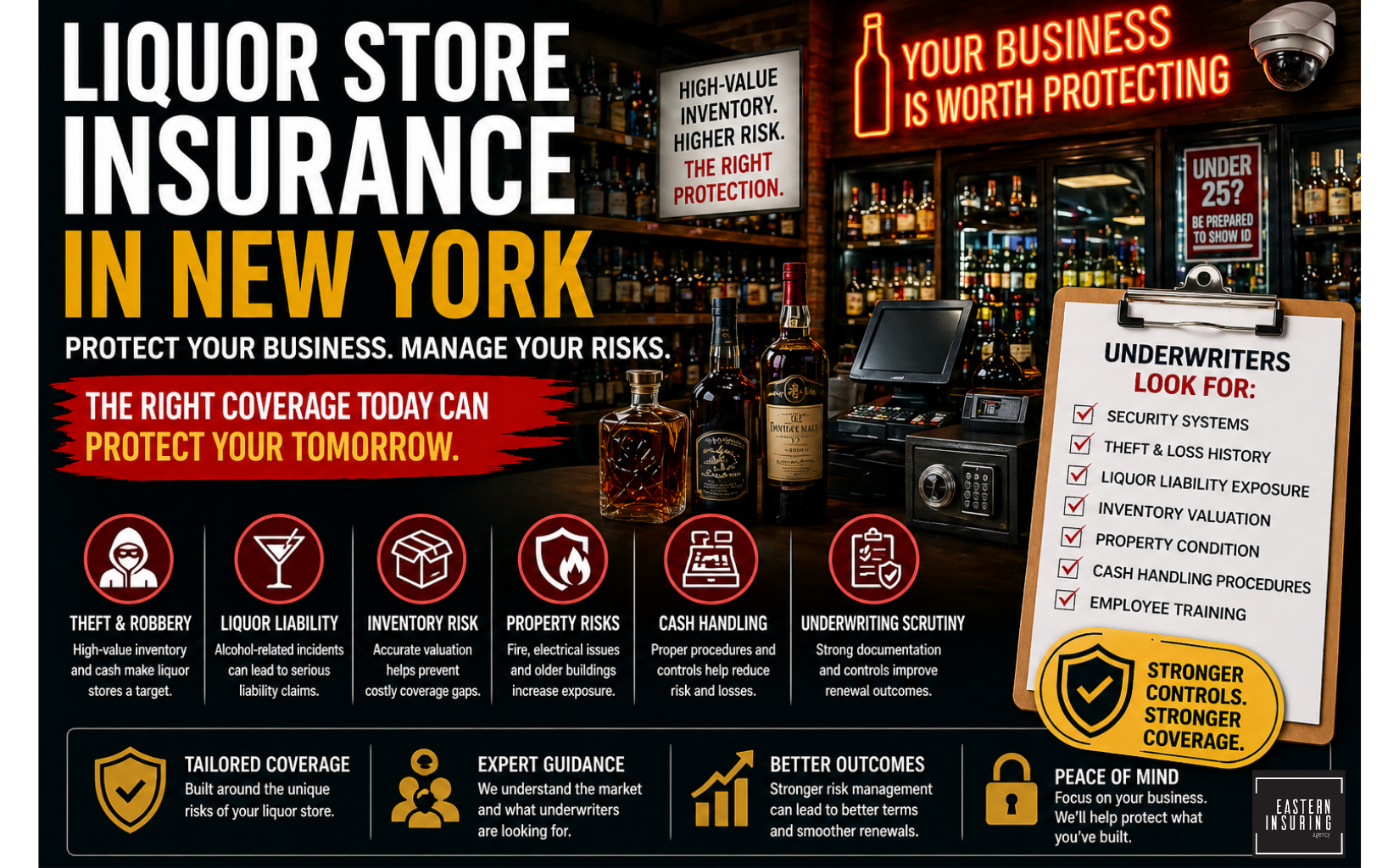
Liquor store insurance in New York explained. Learn about theft, liability, and inventory risks—and how to better protect your business.

Opening your pool in New York? Learn how insurance applies to pools, liability risks, safety requirements, and what to review before the season starts.
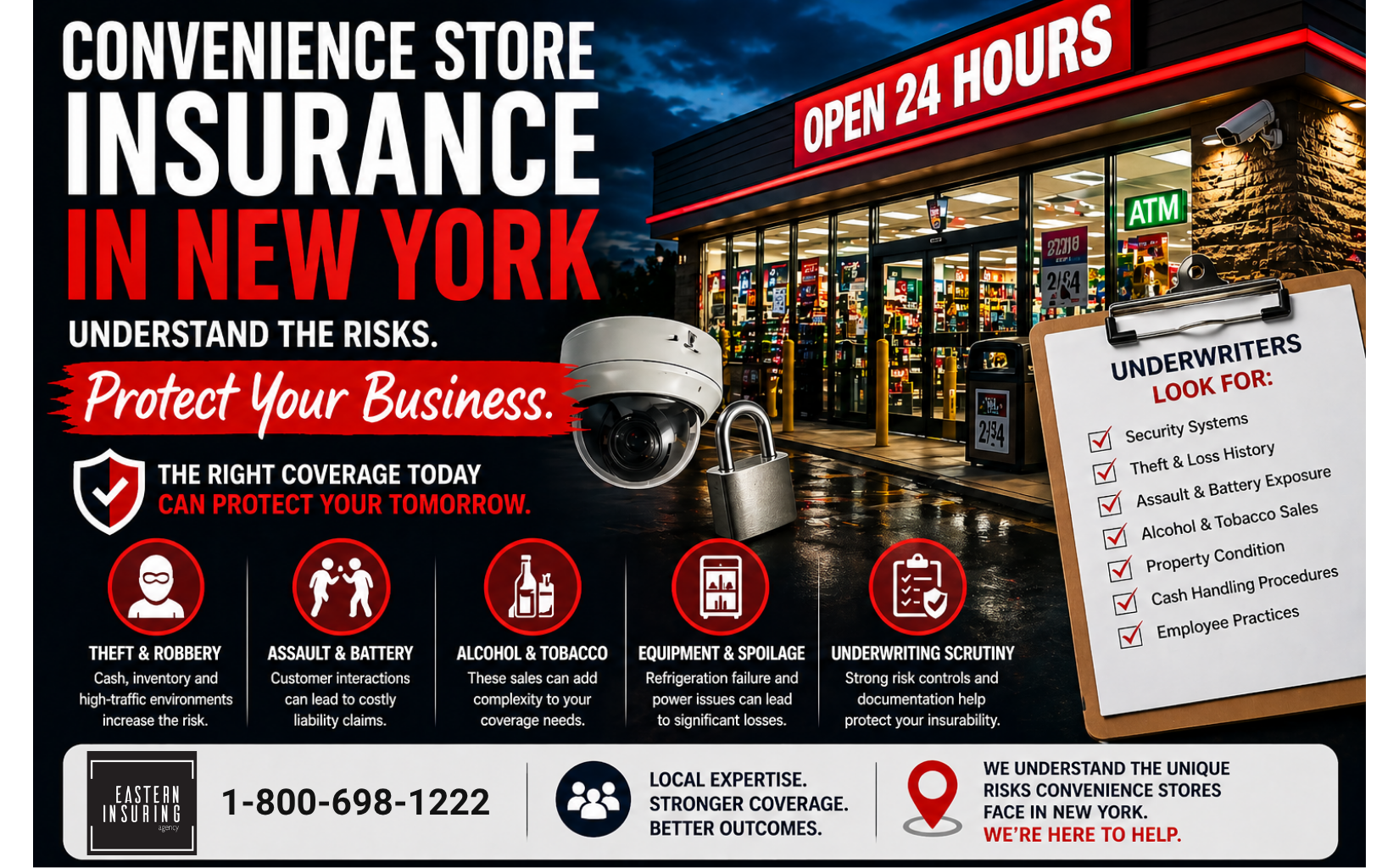
Convenience store insurance in New York explained. Learn about theft, liability, and underwriting risks—and how to better protect your business.

New York storm season is here. Learn what homeowners insurance may not cover—flood, sewer backup, and wind damage—and why a review matters.

Own a boat, motorcycle, or ATV in New York? Learn how insurance coverage works, where gaps may exist, and why a policy review matters.

Apartment building insurance in New York explained. Learn what impacts renewals, from water damage to maintenance—and how to better position your property.

Antique store insurance in New York explained. Learn about valuation, theft risks, and coverage considerations for high-value inventory.

Florist insurance in New York explained. Learn key risks like spoilage, delivery liability, and event exposure—and how to better protect your business.
Planning a home project in New York? Learn how homeowners insurance applies to renovations, liability, and materials—and where gaps may exist.
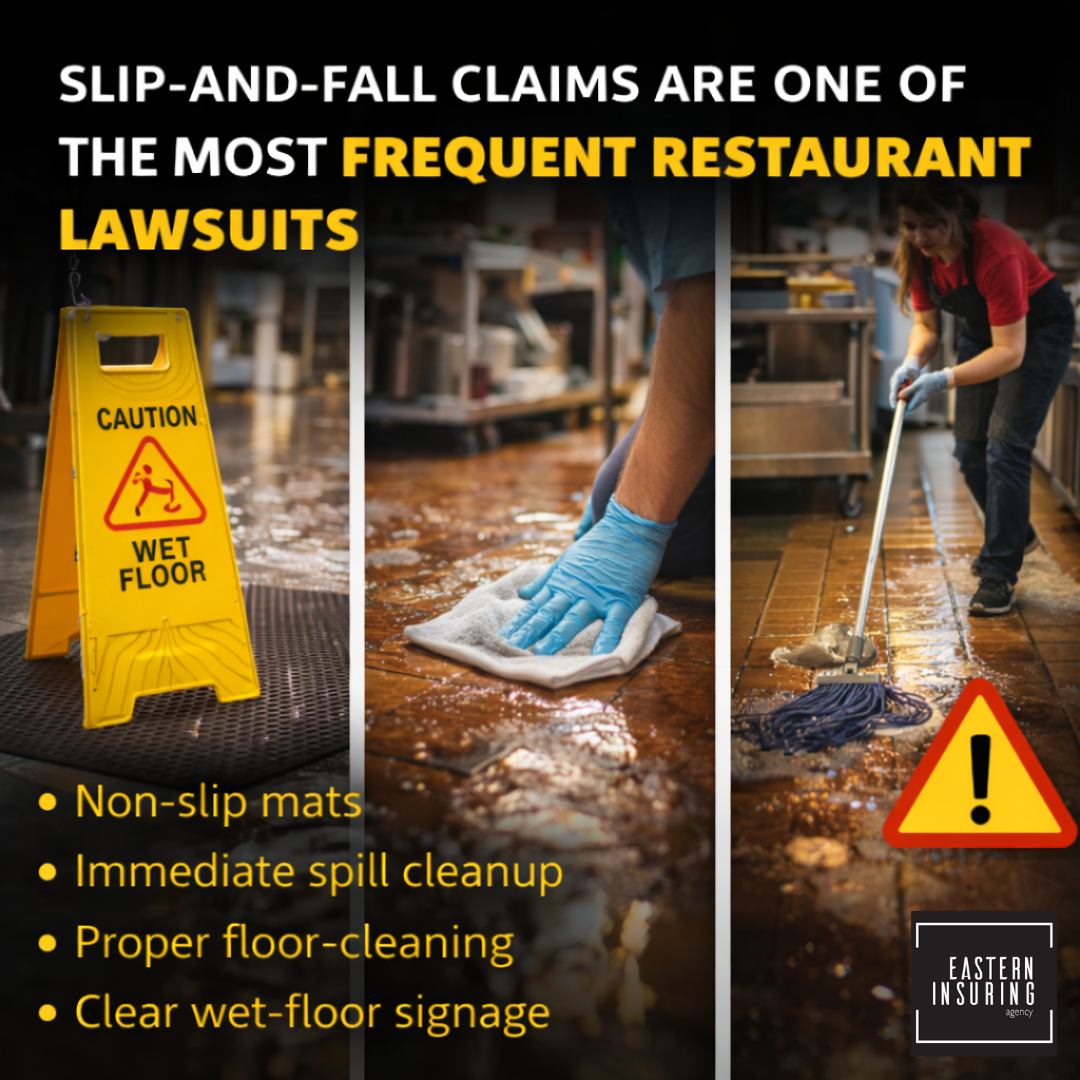
Strong safety programs help restaurants reduce injuries, prevent claims, and lower insurance costs—protecting staff, customers, and profits.